
Living on Earth: January 7th, 2022
Air Date: January 07, 2022
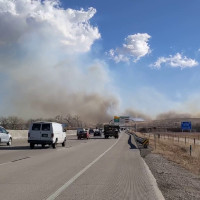
Nearly 60 million homes in America are within a mile of a wildfire zone, but most people are unaware of the risks. This risk was brought home in the suburbs of Boulder, Colorado on December 30, 2021 when the Marshall fire torched close to a thousand homes. Residents were shocked and surprised they only had a few minutes to evacuate. Colorado is no stranger to forest fires during summer and early fall but due to a megadrought and hundred mile an hour winds the Marshall fire burned through grasslands and into suburban neighborhoods. Fire expert and Director of Earth Lab at the University of Colorado, Boulder Jennifer Balch speaks with Host Steve Curwood about the Marshall fire and how climate change is leading to more fires year-round in many more neighborhoods than before and things residents at risk can do to reduce the danger of losing their homes to wildfires.
A Call to Climate Action from Desmond Tutu
2 min read · 3 min listen
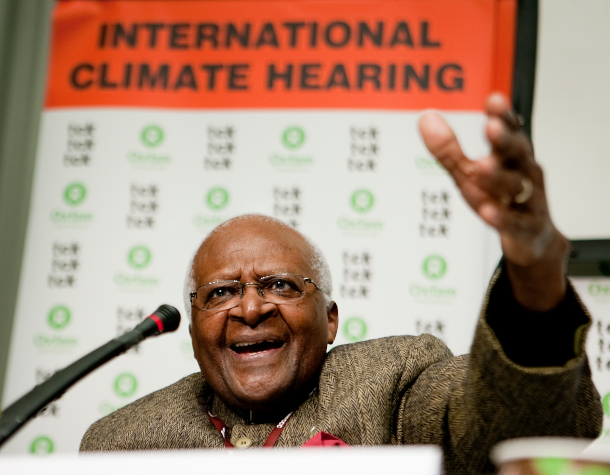
Another champion of the environment who passed away at the end of 2021 was Archbishop Desmond Tutu of South Africa. Archbishop Tutu was a leading non-violent opponent to South Africa’s rigid system of racial segregation known as apartheid and gave a call to action on the climate emergency as nations gathered in Copenhagen in 2009.
Adiós Al Color
2 min read · 3 min listen
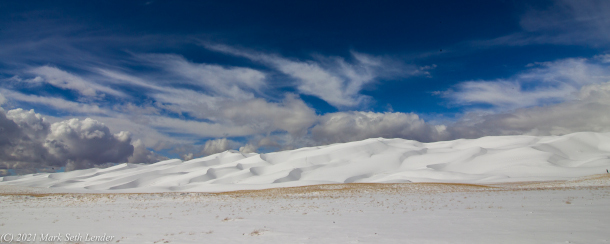
Living on Earth's Explorer-in-Residence Mark Seth Lender shares his encounter with a herd of elk galloping over the cliffs in Colorado's Great Sand Dunes National Park.
Beyond the Headlines
5 min read · 6 min listen
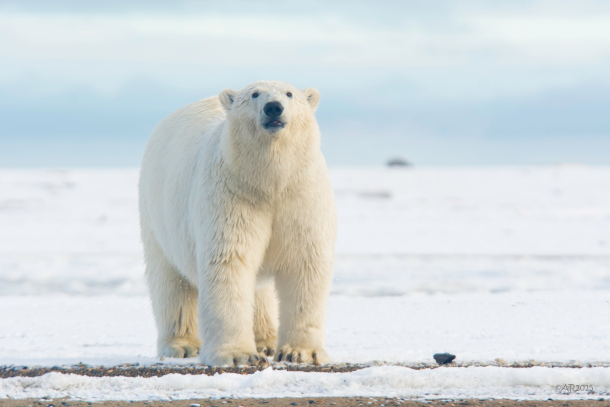
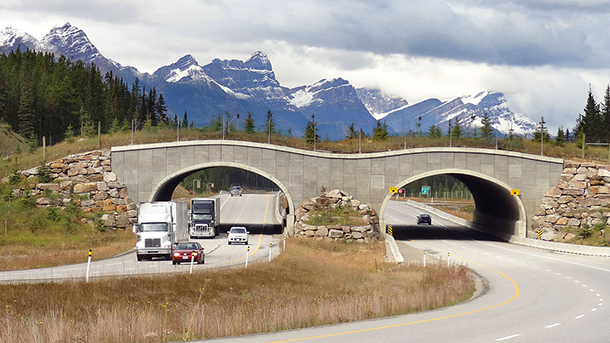
This week, Environmental Health News Editor Peter Dykstra and Host Steve Curwood discuss an oil and gas project in a region adjacent to the Arctic National Wildlife Reserve that could threaten polar bears and the planet. Also, some good news for the planet as France bans many kinds of plastic packaging for fresh produce. And they take a look back in history to President Eisenhower’s 1955 proposal of the Interstate Highway System.
How to Save Most Species
16 min read · 21 min listen
Within decades Earth may lose as many as 50% of the species currently living on our planet. To avert ecological disaster, renowned conservationist and Harvard Professor E.O. Wilson has proposed a radical idea in his book Half-Earth: to set aside half of Earth’s land and sea for nature. He believes that this could save 80% of the species and preserve ecosystems. Host Steve Curwood spoke with E.O. Wilson to learn why the 87-year-old ecologist is optimistic about the role of technology to help with this mission.
Note On Emerging Science: Polar Bears Use Tools to Hunt Walruses
2 min read · 2 min listen
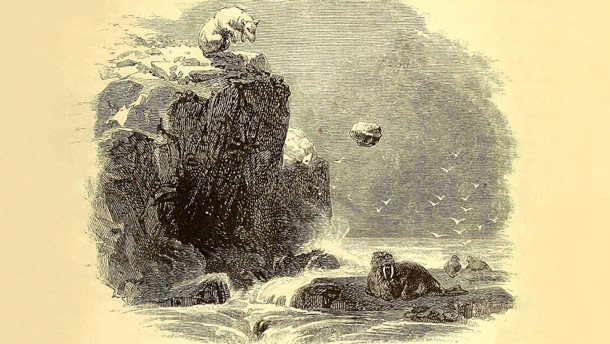
With large tusks and weighing over 2,000 pounds, walruses are a formidable foe for Arctic wildlife. But as Living on Earth’s Don Lyman reports, polar bears are utilizing tools such as ice blocks or large stones to hunt walruses as access to other food sources for the bears declines.
Remembering Naturalist E.O. Wilson
9 min read · 12 min listen
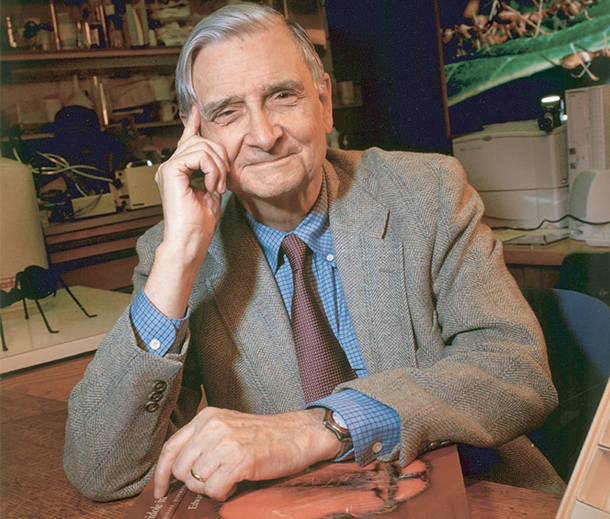
E. O. Wilson and Tom Lovejoy, two of the world’s leading naturalists, passed away at the end of December 2021. White House Deputy Director for Climate and Environment Jane Lubchenco worked with both for five decades and joins Host Steve Curwood to talk about their contributions to conservation biology and their gifts for communicating the urgent need to save life on Earth. They reminisce about E. O. Wilson’s infectious love of the ants he studied and his big ideas about how to stem species extinction.
Remembering Naturalist Tom Lovejoy
9 min read · 12 min listen

Host Steve Curwood and White House Deputy Director for Climate and Environment, Jane Lubchenco, continue their conversation about the legacies of leading naturalists E. O. Wilson and Tom Lovejoy. They discuss how ecologist Tom Lovejoy brought people together to help protect the planet, from the Amazon rainforest to a cabin on the outskirts of Washington, D.C.
Saving the World’s Biodiversity
5 min read · 7 min listen
An international meeting on biodiversity just wrapped up in Nagoya, Japan. On the agenda: coming up with a treaty to protect the world’s most threatened species and habitats. Host Bruce Gellerman talks with Thomas Lovejoy, senior advisor to the president of the UN Foundation, about the negotiations.
Winter Wildfires in a Changing Climate
11 min read · 15 min listen
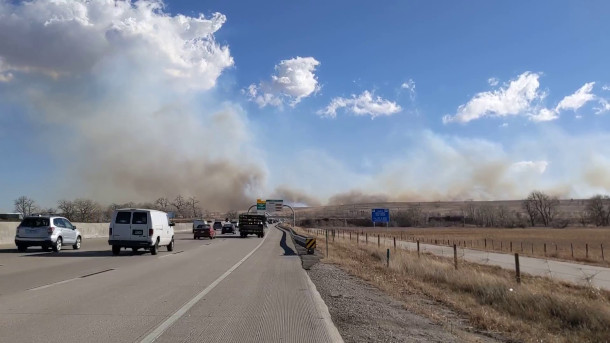
Nearly 60 million homes in America are within a mile of a wildfire zone, but most people are unaware of the risks. This risk was brought home in the suburbs of Boulder, Colorado on December 30, 2021 when the Marshall fire torched close to a thousand homes. Residents were shocked and surprised they only had a few minutes to evacuate. Colorado is no stranger to forest fires during summer and early fall but due to a megadrought and hundred mile an hour winds the Marshall fire burned through grasslands and into suburban neighborhoods. Fire expert and Director of Earth Lab at the University of Colorado, Boulder Jennifer Balch speaks with Host Steve Curwood about the Marshall fire and how climate change is leading to more fires year-round in many more neighborhoods than before and things residents at risk can do to reduce the danger of losing their homes to wildfires.
