
Living on Earth: March 4th, 2022
Air Date: March 04, 2022
The US Environmental Protection Agency has a legal duty to regulate greenhouse gases as harmful air pollutants. But a more conservative US Supreme Court recently heard oral arguments in a case that could significantly limit the tools EPA can use to curb these emissions from power plants, even though such rules don’t yet exist. Vermont Law School Professor Pat Parenteau joins Host Steve Curwood to discuss the risks the case West Virginia v. EPA pose to environmental regulation writ large.
Climate in the State of the Union
4 min read · 6 min listen

This week, Peter Dykstra, an editor at Environmental Health News, joins Host Steve Curwood to discuss how climate and clean energy factored into President Biden’s State of the Union Address. We end with a look into the future: Senator Jim Inhofe, America’s most famous climate change denier, will soon retire, and he has agreed to an interview with Peter Dykstra in 2034, when the senator turns 100.
Florida-Sized Glacier Could Unleash 2+ Feet of Sea Level Rise
9 min read · 12 min listen
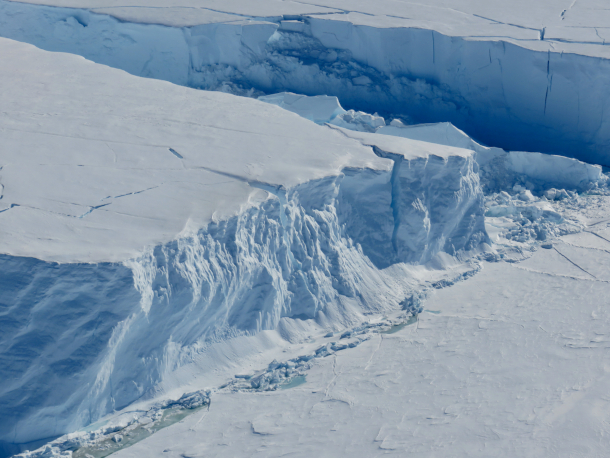
Thwaites Glacier in Antarctica is one of the largest in the world, and scientists consider it the world's most important glacier, not just due to its size, but also because of the massive amounts of ice it is holding back behind it. Glaciologist Karen Alley joins Host Jenni Doering to explain how the melting and collapse of this glacier and the ice it holds back could affect sea levels in years yet to come.
Ice Fishing on a Tidal River
4 min read · 5 min listen
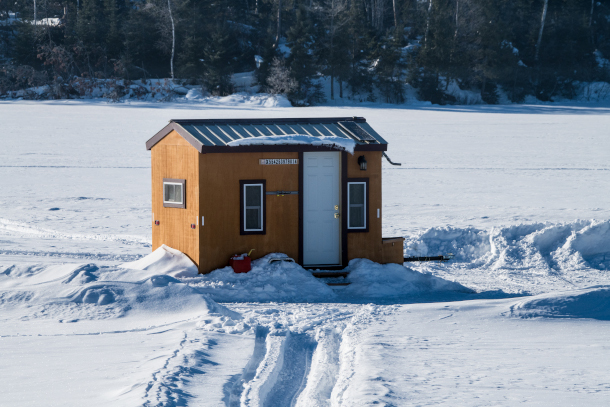
Winter can be cold and dark, but the bright light reflected from frozen lakes, ponds, and streams can be cheery and warm. And that’s the secret of ice fishing. Mark William Damsel explains the joys of ice fishing on a frozen river in this audio postcard from Living on Earth's Bobby Bascomb.
IPCC’s “Atlas of Human Suffering”
10 min read · 13 min listen
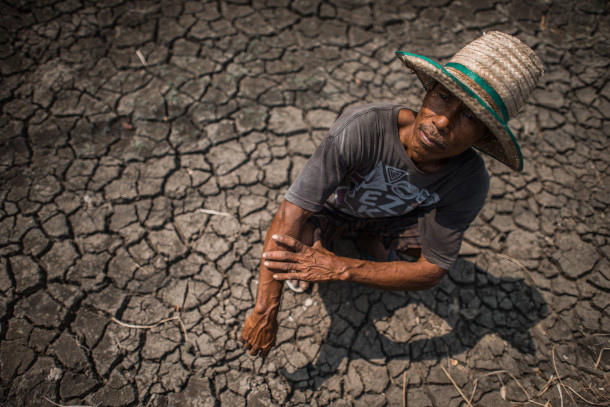
The latest report from the United Nations Intergovernmental Panel on Climate Change warns that the climate emergency is at risk of becoming a disaster for human civilization. Professor of Geosciences and International Affairs at Princeton University Michael Oppenheimer was a review editor for the Sixth Assessment by the IPCC and joined Host Jenni Doering to discuss how rising heat and seas pose extreme risks to billions of people.
Rising Seas Threaten Archaeological Treasures
5 min read · 7 min listen
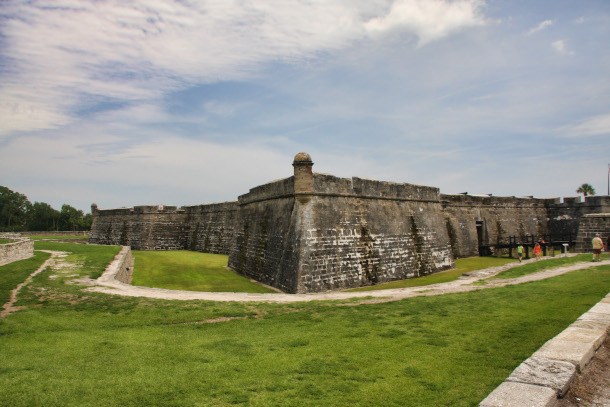
Rising sea levels along coastal Florida threaten to erode thousands of years of human history at valuable archeological sites. Among the threatened structures is the Castillo de San Marcos, a historic fort built by the Spanish in 1672. Brendan Rivers of WJCT News 89.9 in Jacksonville reports on efforts to document the shoreline and implications for the local tourism industry and other heritage sites around the world.
SCOTUS Could Shackle EPA
11 min read · 15 min listen
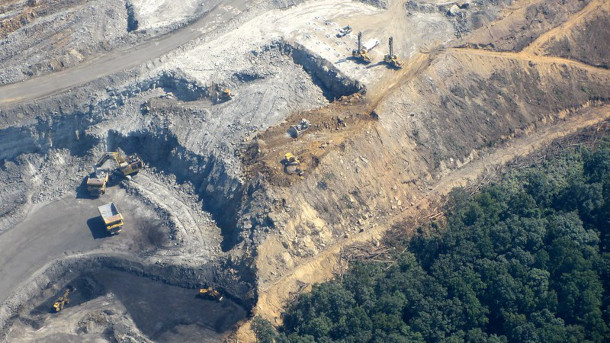
The US Environmental Protection Agency has a legal duty to regulate greenhouse gases as harmful air pollutants. But a more conservative US Supreme Court recently heard oral arguments in a case that could significantly limit the tools EPA can use to curb these emissions from power plants, even though such rules don’t yet exist. Vermont Law School Professor Pat Parenteau joins Host Steve Curwood to discuss the risks the case West Virginia v. EPA pose to environmental regulation writ large.
The Rule of Five: Making Climate History at the Supreme Court
29 min read · 38 min listen
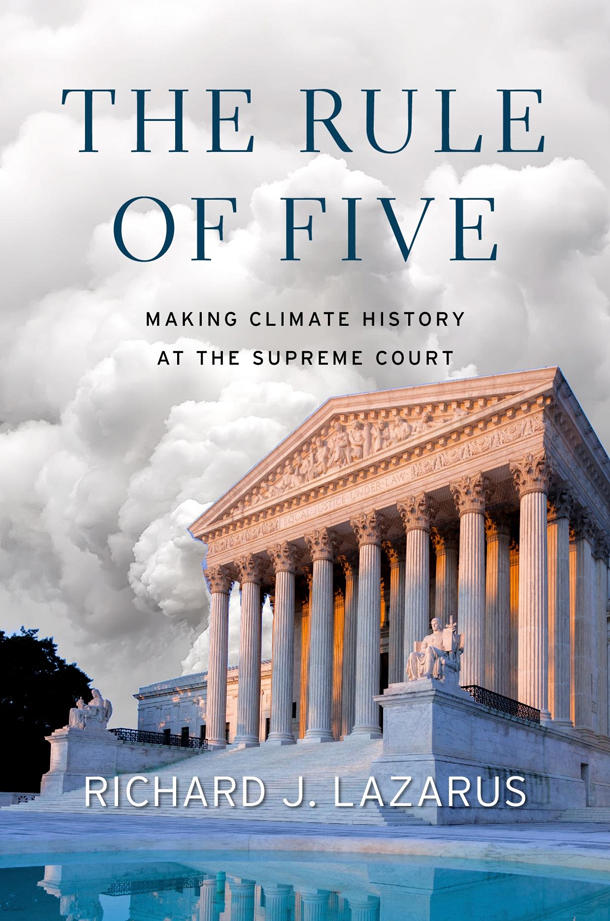
Against long odds, in 2007 the United States Supreme Court decided the case Massachusetts v. EPA in favor of the states and environmental groups that had sought regulation of climate disrupting emissions. The case had enormous implications for environmental law, and it laid the legal groundwork for the Obama administration’s climate change policies as well as the global Paris Climate Accord. Harvard Law Professor Richard Lazarus, the author of the new book “The Rule of Five: Making Climate History at the Supreme Court,” discusses with Host Steve Curwood the gripping behind-the-scenes story of how Massachusetts v. EPA made it all the way to the Supreme Court.