Living on Earth: May 13th, 2022
Air Date: May 13, 2022
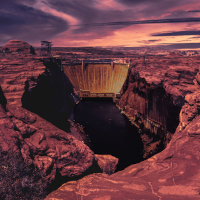
Amid extreme drought and record low water levels in the Colorado Basin, the federal government has decided to retain more water in Lake Powell and release less to Lake Mead and beyond. The action preserves hydropower generation for the short term, but as reporter Luke Runyon explains to Host Steve Curwood, the Colorado River basin still faces a long-term water shortage that imperils the future of cities and farms in the Southwest.
Beyond the Headlines
5 min read · 6 min listen
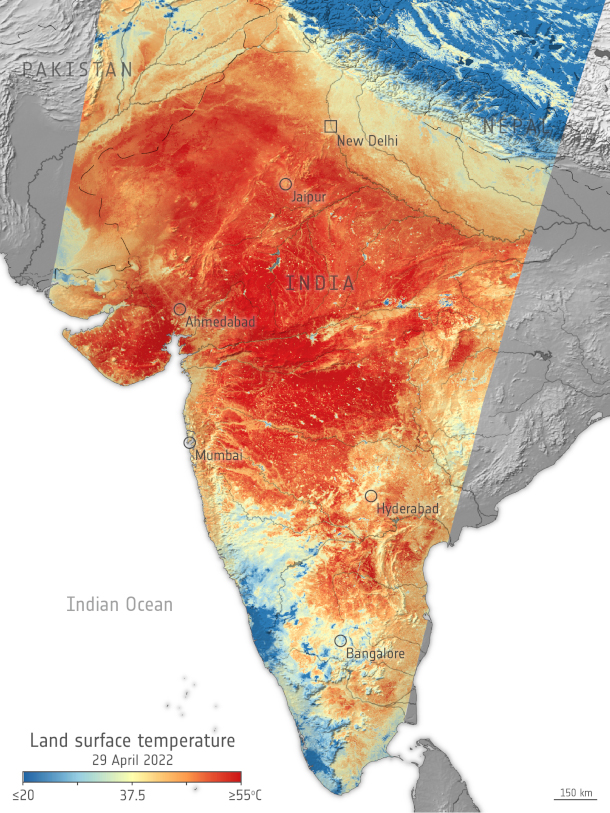
On this week's trip beyond the headlines Environmental Health News' Weekend Editor Peter Dykstra and Bobby Bascomb consider a record-setting heat wave in India and Pakistan, a positive trend in solar and wind power in the United States and the fate of the law behind the historic Scopes Monkey Trial which prohibited teaching evolution in Tennessee public schools.
BirdNote: The Zone-tailed Hawk
2 min read · 3 min listen

Turkey vultures soar over the landscape, searching for dead animals. But the Zone-Tailed Hawk, an American raptor that’s a vulture look-alike, soars with them, its sharp eyes searching for mice and birds that ignore the carrion-seeking birds. Michael Stein has today’s BirdNote.
Colorado River's Dwindling Water Supply
10 min read · 13 min listen
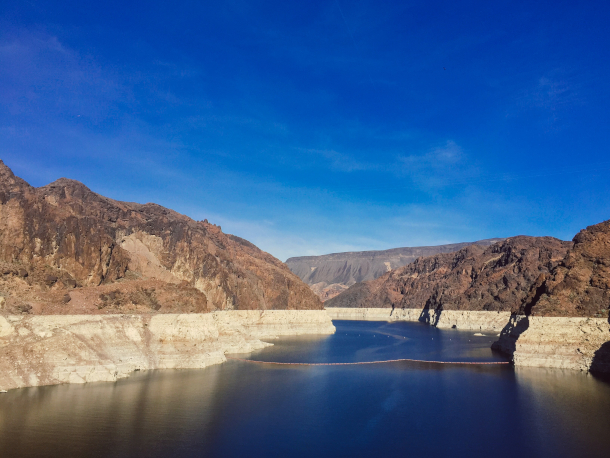
The Colorado River that carved the Grand Canyon and now quenches the thirst of much of the American West is parched in a “megadrought.” Two key reservoirs are expected to drop to record low levels this year and trigger a formal water shortage declaration. Reporter Luke Runyon covers the Colorado River Basin and joins Host Steve Curwood from station KUNC in Greeley, Colorado.
Drought Threatens Hydropower
10 min read · 13 min listen
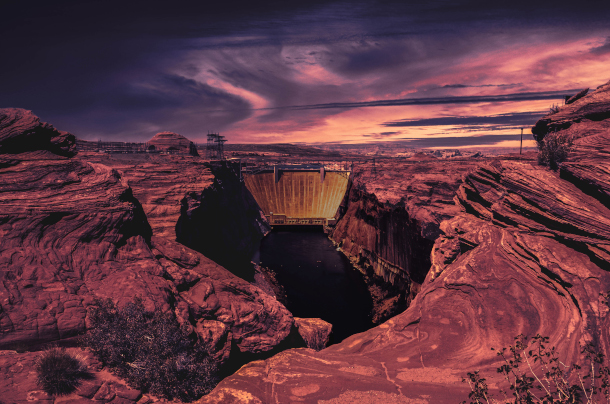
Amid extreme drought and record low water levels in the Colorado Basin, the federal government has decided to retain more water in Lake Powell and release less to Lake Mead and beyond. The action preserves hydropower generation for the short term, but as reporter Luke Runyon explains to Host Steve Curwood, the Colorado River basin still faces a long-term water shortage that imperils the future of cities and farms in the Southwest.
How to Save the Climate
14 min read · 19 min listen
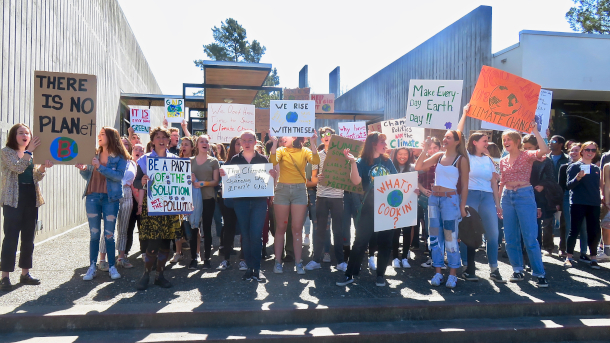
The Earth is hurtling toward climate disaster as evidenced by many scientific studies, including the latest results from the UN’s Intergovernmental Panel on Climate Change. Yet the world continues to rely heavily on fossil fuels and drag its heels on transitioning to clean energy. Harvard University Professor of the History of Science Naomi Oreskes joins Host Steve Curwood to note climate change science is unequivocal and why the paths to solving the climate crisis are political and social.
Invasive Jumping Worms
5 min read · 7 min listen
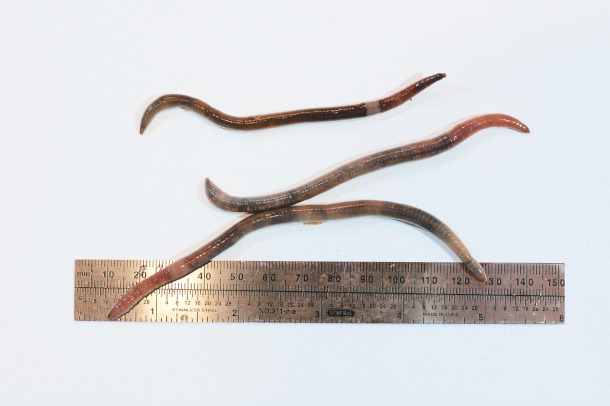
Jumping worms, native to Korea and Japan, are spreading quickly across several states within the U.S. The invasive worms degrade soil texture as they eat and deplete it of nutrients, causing problems for gardens and lawns. This week, Kara Holsopple of the Allegheny Front reports on how to spot and avoid jumping worms and what to do if you encounter them.
“SmartICE” Helps Inuit People Adapt
11 min read · 15 min listen
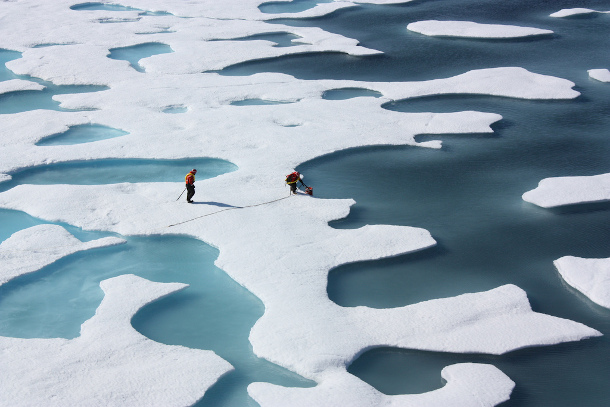
For thousands of years the Inuit people of Northern Canada have relied on stable sea ice for travel and hunting, but as the climate warms the ice is growing dangerously thin. Now, some Inuit communities are working with SmartICE, an organization that uses sensor and GPS technology along with Inuit traditional knowledge to help find safe passages over sea ice in real time. Rex Holwell is Inuit and the North Production Lead for SmartICE and he joined Host Bobby Bascomb to discuss how this technology is helping communities on the frontlines of climate change.