Note on Emerging Science: A Sign of SIDS Risk
Air Date: June 24, 2022
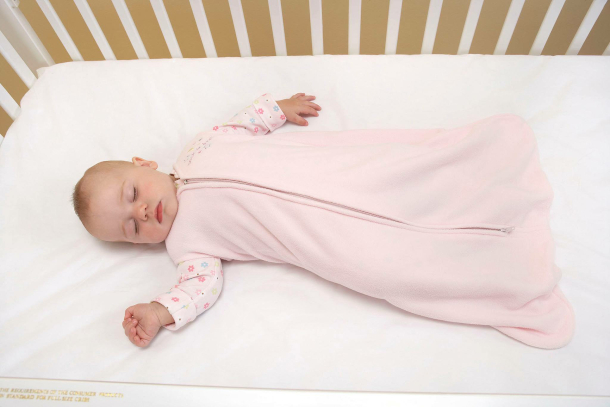
Sudden Infant Death Syndrome or SIDS takes the lives of more than 1,000 infants in the United States every year. Living on Earth’s Delaney Dryfoos reports on new research that has identified a biochemical marker in the blood of newborn babies that suggest why some babies are more vulnerable and might one day help screen for SIDS risk.
Transcript
CURWOOD: It’s Living on Earth, I’m Steve Curwood.
BASCOMB: And I’m Bobby Bascomb
Coming up – a juvenile osprey learns to hunt but first this note on emerging science from Delaney Dryfoos.
SCIENCE NOTE THEME
DRYFOOS: More than two decades after Dr. Carmel Harrington lost her own child to sudden infant death syndrome, a study she led found a potential biochemical marker that for the first time could help identify living babies at risk. SIDS is the sudden, unexplained death, usually during sleep, of an infant younger than one year old. The number of deaths from SIDS has dropped in half since the 1990s due to a successful public health campaign to encourage parents to put babies to sleep on their backs, but it still takes the lives of more than 1,000 infants in the United States every year.
A group of researchers at The Children’s Hospital at Westmead in Australia suspected a certain enzyme might play a role in SIDS. Dr. Harrington and her colleagues assessed levels of the enzyme, butyrylcholinesterase, in the blood of babies a few days after their birth. Babies who died unexpectedly in their sleep during their first year of life were found to have lower amounts of the enzyme in their blood at birth compared to babies who survived or died of other causes.
This enzyme plays an important role in regulating the autonomic nervous system, which controls breathing, heart rate and other automatic bodily functions. Infants who die of SIDS have long been thought to possess a dysfunctional autonomous nervous system; instead of waking, gasping and crying when their blood-oxygen level dips during sleep, they remain still and cannot arouse themselves awake to breathe.
The study, however, was quite small and is only the first time that low levels of this enzyme has been correlated to SIDS in infants.
Scientists hope this new research could result in a test available at birth to determine an infant’s risk, but more research is needed to confirm these findings and ultimately use them diagnostically.
That’s this week’s note on emerging science. I’m Delaney Dryfoos.