Beyond the Headlines
Air Date: July 08, 2022
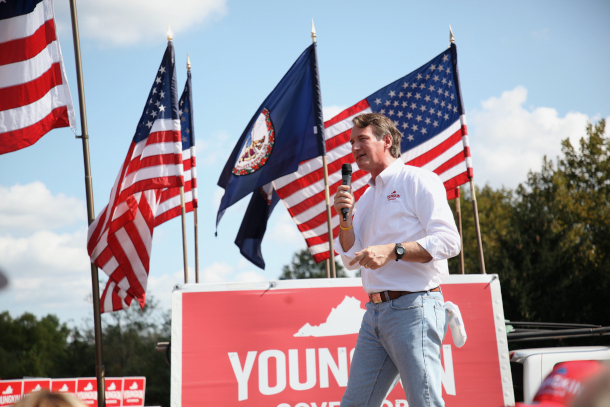
Environmental Health News Editor Peter Dykstra and Host Steve Curwood discuss Virginia Governor Glenn Youngkin’s rollback of a plan to phase out single-use plastics. They also remark on the surprising ecological diversity and cleanup efforts of the heavily polluted Gowanus Canal in Brooklyn, NY, before commemorating 30 years since the US stopped dumping sewage sludge in the ocean.
- 1Beyond the Headlines
Transcript
CURWOOD: On the line now from Atlanta, Georgia is Peter Dykstra. Peter is an editor with Environmental Health News, that's EHN.org and dailyclimate.org, and he keeps track of what's going on beyond the headlines for us. Hi, there, Peter, how are you doing and what have you got for us today?
DYKSTRA: Hi, Steve. We've got a story about the Commonwealth of Virginia. The previous governor who left office at the beginning of the year, Ralph Northam, had set up the beginning of a scheme to phase out single-use plastics at all state agencies and state universities. The new governor, Glenn Youngkin, rolled some of that back in favor of pushing the idea of plastics recycling, an idea that we've spent many, many years learning does not get the job done.
CURWOOD: So a step forward and, I guess, a step or two backwards, huh?
DYKSTRA: And there was one particularly big program to reduce plastics use and instill other environmental measures at George Mason University, which is a really big commuter school in Northern Virginia outside of Washington, DC. So ambitious was this program, that the new Governor, Glenn Youngkin, recognized George Mason with a Governor's Environmental Excellence Award in March, and the following month, in April, he issued an executive order essentially cutting the legs out of the single use plastics reduction plan.
CURWOOD: All right, Peter, hey, what else do you have for us for today?
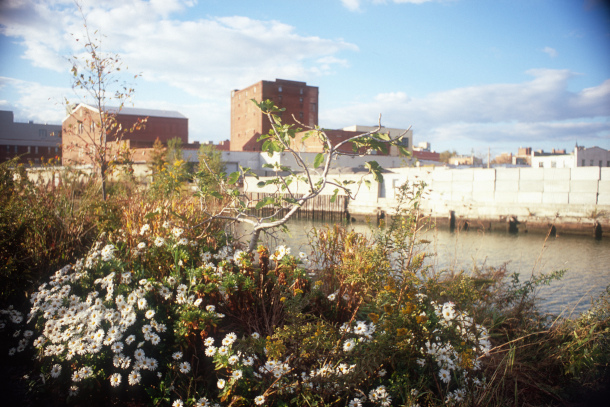
DYKSTRA: I've got kind of a stinky story from one of the worst sites in New York City, as far as pollution goes, a Superfund site, the Gowanus Canal in Brooklyn, the site of heavy industry and rampant dumping for a hundred and fifty years, sewage, all sorts of heavy metals like lead, and there's stuff at the bottom of the canal that's lovingly referred to as black mayonnaise.
CURWOOD: What a place, huh?
DYKSTRA: Yeah, but there's a wildlife inventory that's going on in the canal where they're finding everything: birds, sea birds, insects, plants, shellfish, finned fish. But one of the issues and conflicts here is that the citizen based effort to clean up the canal is running into the sometimes rigid programs that EPA sets up for cleanup, and some of the Superfund cleanup efforts are getting in the way of the citizen cleanup efforts.
CURWOOD: But, A, it's helping wildlife and, B, it's getting remediated, so...
DYKSTRA: Maybe a happy ending someday. It's just kind of a gross place, but even in this gross place, there's a concerted effort to clean it up.
CURWOOD: Well, let's take a look back in history now, Peter, what do you see?
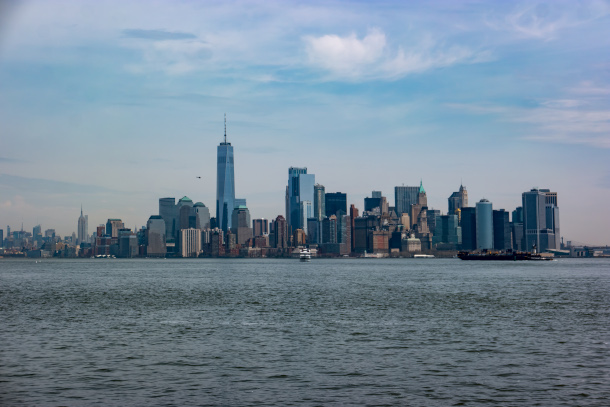
DYKSTRA: Yeah, if you're ready for a little bit more smelly news out of the same place, good old New York City. On June 30, 1992, 30 years ago, New York City formally ended its practice, more than 100 years old, of dumping sewage sludge into the Atlantic. There was an uproar in the late 80s in New York and New Jersey about medical waste washing up on beaches, trash, sewage, and all sorts of yucky things. But by that date, June 30, 1992. They became the last American municipality to stop barging its sewage sludge out to the nearby ocean and dumping it.
CURWOOD: Well, better late than never. Peter is an editor with Environmental Health News, that's EHN.org and dailyclimate.org. We'll talk to you again real soon, Peter, thanks a lot.
DYKSTRA: Thank you, Steve. We'll talk to you soon.
CURWOOD: And there's more on these stories on the Living on Earth webpage that's LOE.org.