Living on Earth: October 21st, 2022
Air Date: October 21, 2022
Fat Bear Week and the Salmon Behind It All
- 1Beyond the Headlines
- 2California Wind Power Breakthrough
- 3Fat Bear Week and the Salmon Behind It All
- 4Parking Reform and Climate Change
- 5Saving Big Forests to Save The Planet
- 6Wishful Thinking: Leopards of the Olare Orok River
Beyond the Headlines
5 min read · 7 min listen
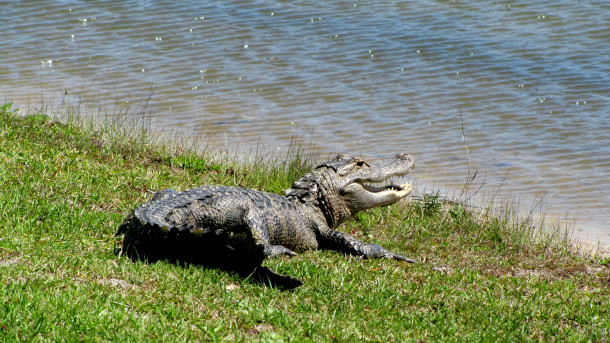
This week, Environmental Health News editor Peter Dykstra and Host Jenni Doering take us beyond the headlines with a look at how PFAS “forever” chemicals are contaminating everything from North Carolina alligators to the blood of residents in Okinawa, Japan. In some good news, the two investigate how the creation of artificial ponds has helped frog populations in Switzerland. Finally, the two open the history vaults to look at some misconceptions about the 1972 Clean Water Act.
California Wind Power Breakthrough
8 min read · 11 min listen
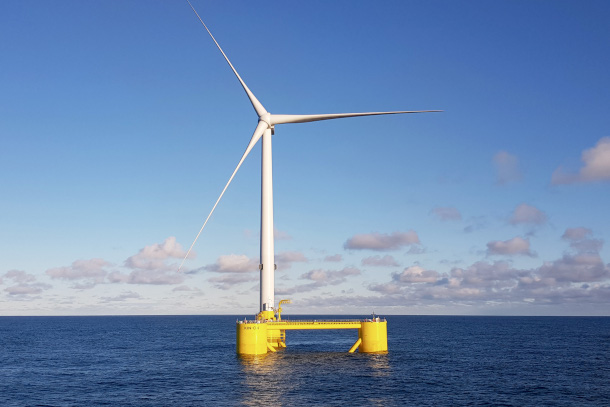
As part of President Biden’s goal to supply 30 gigawatts of offshore wind energy by 2030, the Biden administration announced an upcoming sale of federal leases for innovative floating offshore wind sites in the deep waters along the California coast. The wind energy sector is also getting a boost from the clean energy tax credits in the Inflation Reduction Act and additional support in the bipartisan Infrastructure Law. Adam Stern, executive director of Offshore Wind California, joins Host Steve Curwood to explore the bright future for offshore wind in the state and why the oil and gas industry has expertise that can be put to good use for this untapped resource.
Fat Bear Week and the Salmon Behind It All
8 min read · 10 min listen
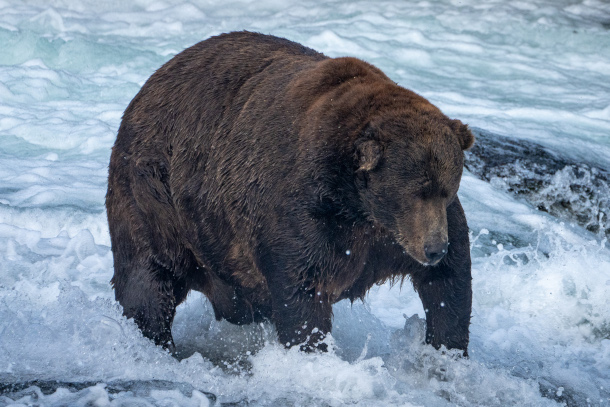
Every year Katmai National Park in Alaska hosts Fat Bear Week, a competition to determine voters’ favorite chubby brown bear, because come autumn a fat bear is a healthy bear with plenty of fat reserves to get them through the long frigid Alaskan winter. Katmai National Park ranger Felica Jimenez joins Host Jenni Doering to discuss this year’s winner, how much weight bears gain before hibernation, and why salmon are the unsung heroes of Fat Bear Week.
Parking Reform and Climate Change
6 min read · 8 min listen
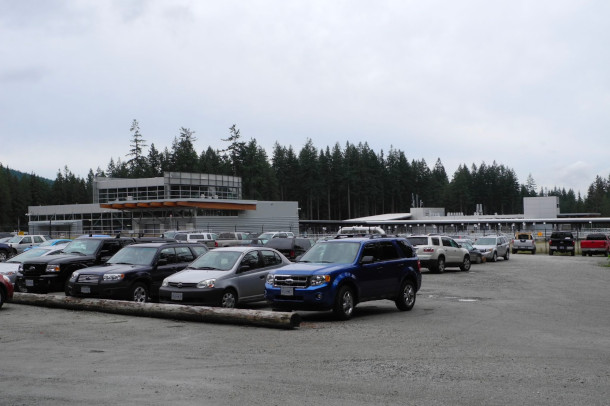
Suburban sprawl adds to climate disruption by promoting driving and to accommodate commuters, some 30 percent of urban land is already devoted to parking. Even more spaces are often required when buildings are constructed or renovated. Now some cities and states, including California, are steering away from parking space mandates. Gernot Wagner, a climate economist at Columbia Business School, joins Host Steve Curwood to discuss what parking reform may look like for cities.
Remembering Naturalist Tom Lovejoy
9 min read · 12 min listen
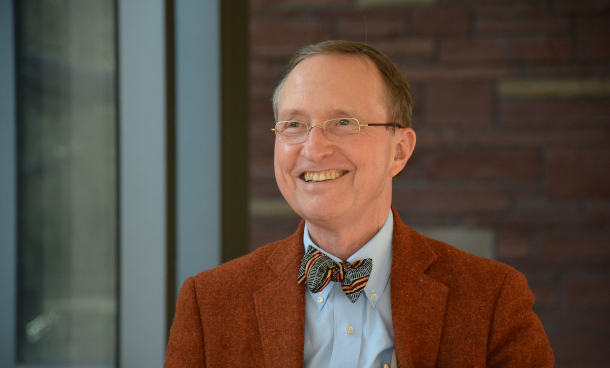
Host Steve Curwood and White House Deputy Director for Climate and Environment, Jane Lubchenco, continue their conversation about the legacies of leading naturalists E. O. Wilson and Tom Lovejoy. They discuss how ecologist Tom Lovejoy brought people together to help protect the planet, from the Amazon rainforest to a cabin on the outskirts of Washington, D.C.
Saving Big Forests to Save The Planet
10 min read · 13 min listen
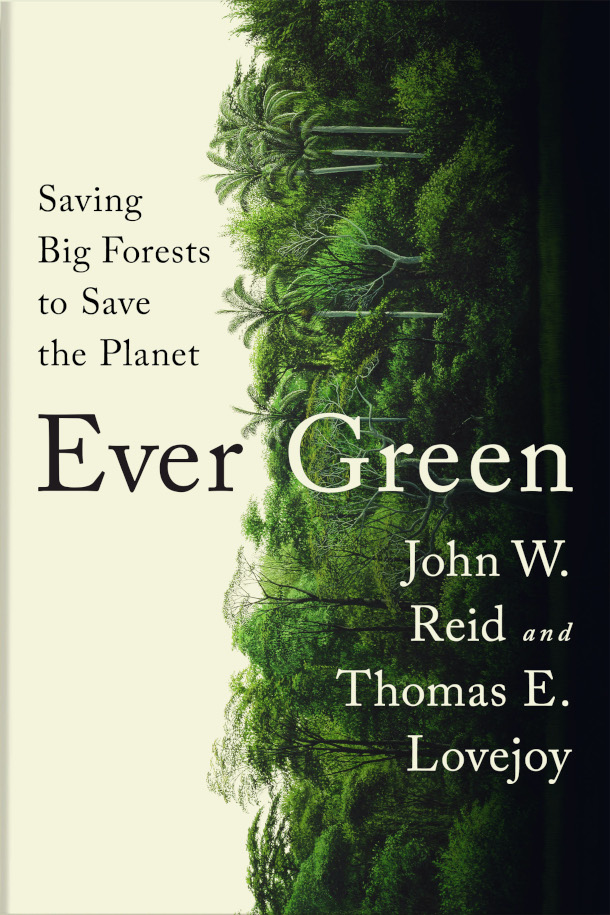
Protecting the remaining intact big forests on Earth offers a low-cost and highly beneficial way to mitigate the climate crisis. The new book “Ever Green: Saving Big Forests to Save the Planet”, coauthored by economist John Reid and the late ecologist Tom Lovejoy, puts a spotlight on these so called “mega forests”. John Reid joined Host Steve Curwood to describe these majestic places, the threats they face, and why they are worth protecting.
Saving the World’s Biodiversity
5 min read · 7 min listen
An international meeting on biodiversity just wrapped up in Nagoya, Japan. On the agenda: coming up with a treaty to protect the world’s most threatened species and habitats. Host Bruce Gellerman talks with Thomas Lovejoy, senior advisor to the president of the UN Foundation, about the negotiations.
Wishful Thinking: Leopards of the Olare Orok River
3 min read · 4 min listen
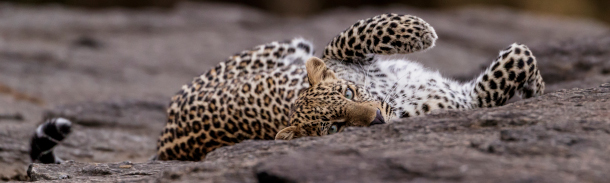
Young leopards may look like formidable hunters, but they still have a lot to learn. In the Maasai Mara savannah, on the banks of the Olare Orok River, Living on Earth’s Explorer in Residence Mark Seth Lender tracked one young leopard’s learning curve.