Living on Earth: November 25th, 2022
Air Date: November 25, 2022
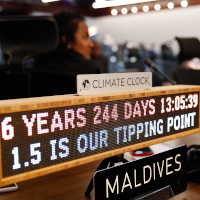
The annual meeting of the UN Climate treaty parties in Sharm el-Sheikh, Egypt known as COP27 went two days into overtime as negotiators worked late into the night hammering out a consensus. While the sleep-deprived delegates did produce an unprecedented agreement for rich nations to pay for loss and damage from climate disasters in poor countries, COP27 added no new brakes to keep the Earth from hurtling past the 1.5 degrees Celsius warming target of the Paris Agreement. Longtime observer of UN climate negotiations Alden Meyer, a senior associate at the think tank E3G, joins Host Steve Curwood to explain.

- 1Beyond the Headlines
- 2Breakthrough for Loss and Damage
- 3Cleaning Up Crypto
- 4Living on Earth Gives Thanks
- 5Low Ambition Climate Summit
- 6Note on Emerging Science: Eel-icit Affairs
Beyond the Headlines
5 min read · 6 min listen
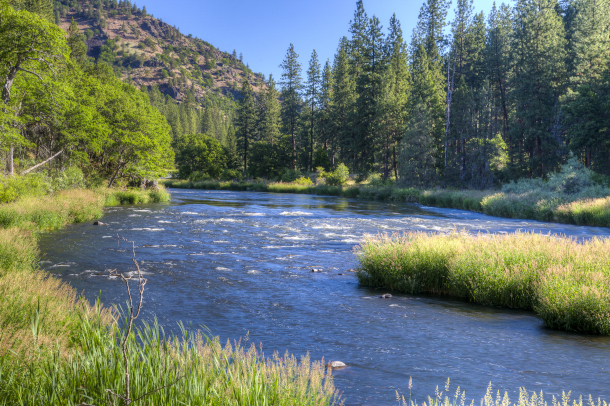
Environmental Health News Editor Peter Dykstra joins Host Steve Curwood to share good news for salmon on the Klamath River, where four major dams are slated to soon come down. Also, a survey finds that climate activists who threw soup on a Vincent Van Gogh painting may not have helped the cause of climate action. And in the history calendar, 11 years ago attorneys for Tokyo Electric Power tried to argue that the radiation released by its Fukushima plant was no longer the company’s problem – because it was owned by the people it fell on.
Breakthrough for Loss and Damage
8 min read · 10 min listen
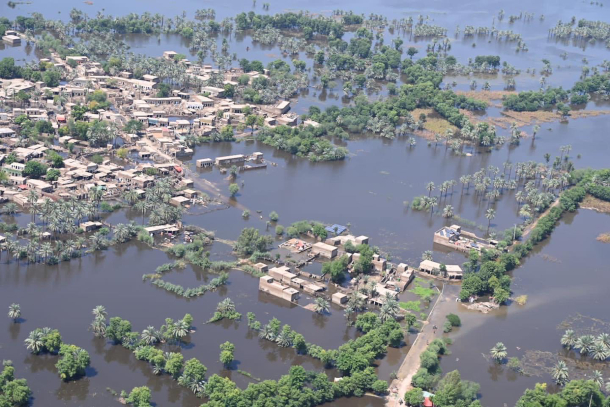
One bright star from the recent UN climate treaty talks in Egypt (COP27) is the agreement for wealthy nations to create a fund to pay for “loss and damage” from impacts of the climate disruption to lower income countries. But no money has been provided yet to stricken nations and there are still plenty of details to be worked out. Sindra Sharma, the global policy lead for Climate Action Network International, joins Host Steve Curwood to talk about the decision and the challenges of the session in Egypt.
Cleaning Up Crypto
12 min read · 16 min listen

Cryptocurrencies like Bitcoin can take a huge toll on electricity rates and the climate. That’s because “mining” cryptocurrencies typically involves massive amounts of computation, which takes lots of energy that’s mostly sourced from burning fossil fuels. But now there’s a far more efficient way to earn new coins if cryptocurrency managers decide to adopt it. Alex deVries is the founder of Digiconomist and a PhD candidate in Economics at Vrije University in Amsterdam and joins Living on Earth’s Jenni Doering to discuss.
Living on Earth Gives Thanks
5 min read · 6 min listen
To celebrate Thanksgiving, the cast and crew of Living on Earth shares the things we’re grateful for this year.
LOE Gives Thanks
4 min read · 5 min listen

To celebrate Thanksgiving, the cast and crew of Living on Earth shares some of the things in life that we’re truly grateful for.
Low Ambition Climate Summit
11 min read · 14 min listen
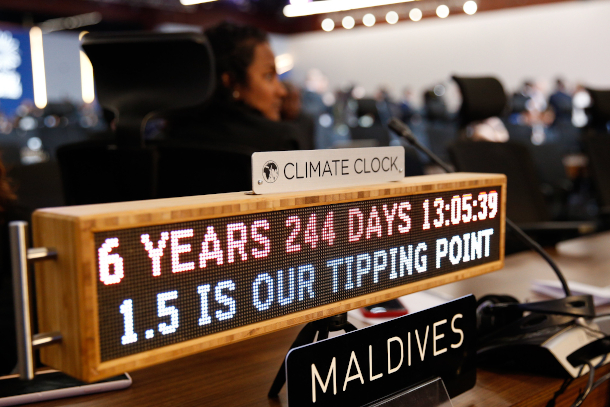
The annual meeting of the UN Climate treaty parties in Sharm el-Sheikh, Egypt known as COP27 went two days into overtime as negotiators worked late into the night hammering out a consensus. While the sleep-deprived delegates did produce an unprecedented agreement for rich nations to pay for loss and damage from climate disasters in poor countries, COP27 added no new brakes to keep the Earth from hurtling past the 1.5 degrees Celsius warming target of the Paris Agreement. Longtime observer of UN climate negotiations Alden Meyer, a senior associate at the think tank E3G, joins Host Steve Curwood to explain.
Note on Emerging Science: Eel-icit Affairs
2 min read · 3 min listen
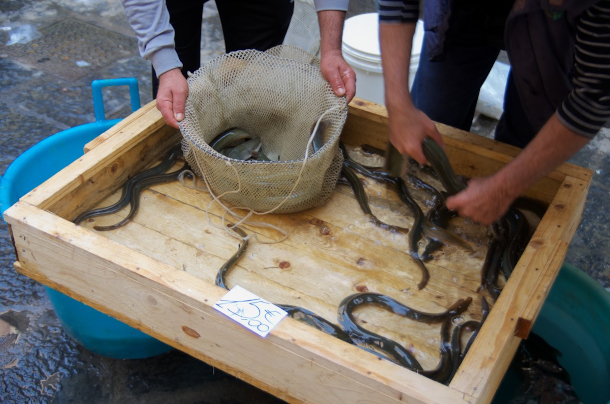
European eels journey three to six thousand miles from the rivers of Europe to the Atlantic Ocean, and now thanks to satellite trackers, researchers have the first direct evidence that the Sargasso Sea is where they mate. Living on Earth’s Fern Alling unpacks the significance of this discovery and how it can help protect these critically endangered animals.
“The Nutmeg’s Curse”: Join the next LOE Book Club!
1 min read · 1 min listen
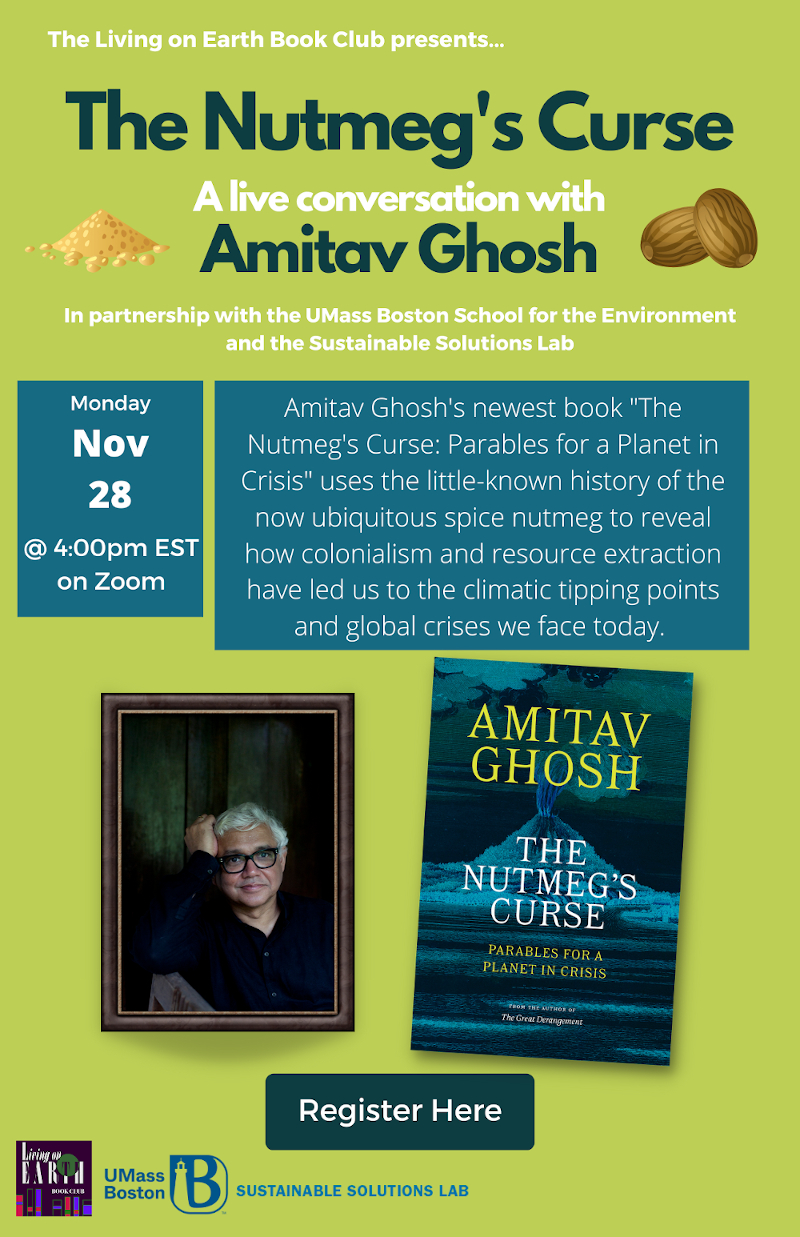
Join the Living on Earth Book Club on November 28th at 4 p.m. Eastern on Zoom for an interview with award-winning author Amitav Ghosh. His book ‘The Nutmeg’s Curse: Parables for a Planet in Crisis’ uses the haunting history of how nutmeg became a staple of the spice rack to reveal how colonialism and the commodification of the Earth’s resources has led us to the climatic tipping points and global crises we face today.