Living on Earth: January 13th, 2023
Air Date: January 13, 2023
Pink snow, also known as “watermelon snow” or “glacier blood,” is the result of a typically late summer bloom of pink colored algae that flourish in melting snow. And although snow algae are still very understudied, scientists are worried that darker snow will absorb more of the sun’s heat than white snow and cause the snowpack to melt more quickly. Jim Elser, a professor of ecology at the University of Montana, joins Host Bobby Bascomb to explain the implications for climate change and summertime water supplies that rely on steady runoff.

- 1Beyond the Headlines
- 2BirdNote®: White-Browed Coucal
- 3Extreme Weather and the Jet Stream
- 4Pink Snow and the Climate
- 5Rescuing Bats from Extreme Cold
Beyond the Headlines
5 min read · 6 min listen

In this week’s look Beyond the Headlines, environmental journalist Peter Dykstra and Host Steve Curwood admire the greenery in New York City, which a new study has reported absorbs as much carbon as all the traffic in the city emits on many summer days. They then discuss the climate implications of the Republican House Speaker battle before looking back at Republican President Theodore Roosevelt, who created the Grand Canyon national monument on January 11th, 1908.
BirdNote®: White-Browed Coucal
2 min read · 2 min listen
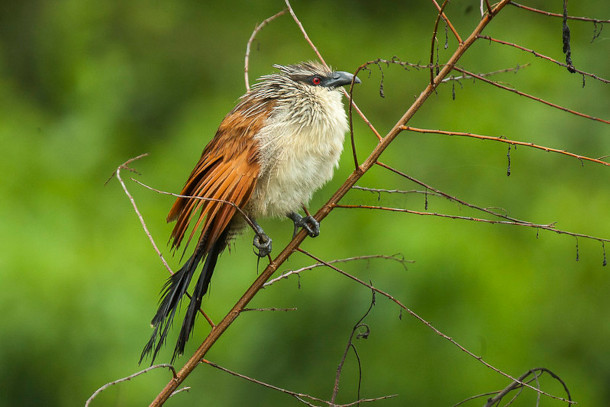
Many cuckoos forgo the demands of parenting by laying their eggs in the nests of other birds. But as BirdNote®’s Michael Stein reports the white-browed coucal, common in many parts of Africa, build their own nests and raise their own young.
Extreme Weather and the Jet Stream
20 min read · 26 min listen
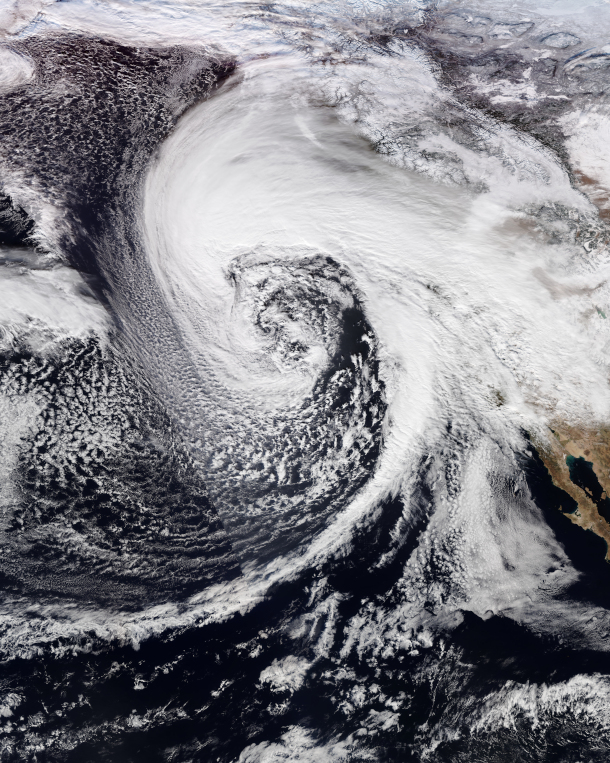
Weather records are now routinely getting shattered across the United States, with recent severe rainstorms in California, freezing temperatures in Texas, and a warm January thaw for the northeast. Jennifer Francis, Senior Scientist at the Woodwell Climate Research Center, joins Host Steve Curwood to explain why a climate disrupted jet stream is behind much of this extreme weather.
Pink Snow and the Climate
11 min read · 14 min listen
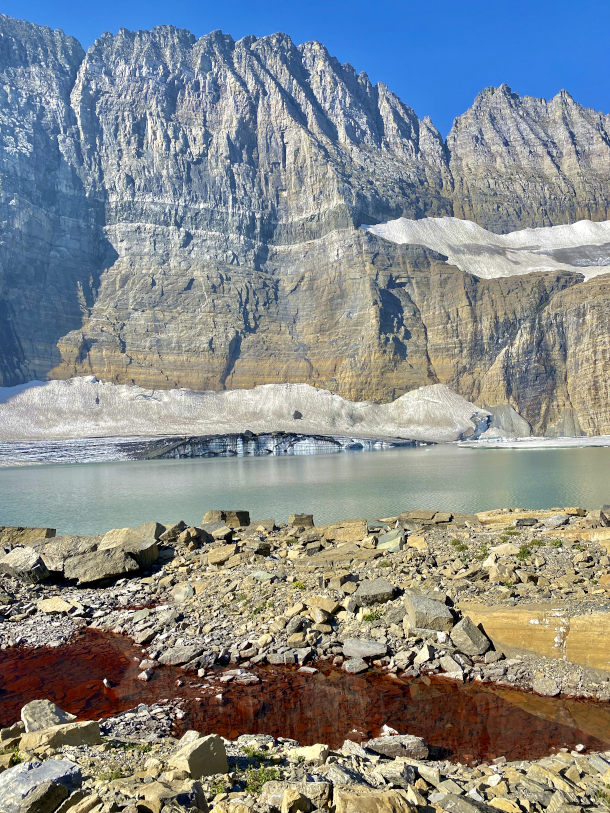
Pink snow, also known as “watermelon snow” or “glacier blood,” is the result of a typically late summer bloom of pink colored algae that flourish in melting snow. And although snow algae are still very understudied, scientists are worried that darker snow will absorb more of the sun’s heat than white snow and cause the snowpack to melt more quickly. Jim Elser, a professor of ecology at the University of Montana, joins Host Bobby Bascomb to explain the implications for climate change and summertime water supplies that rely on steady runoff.
Rescuing Bats from Extreme Cold
7 min read · 9 min listen
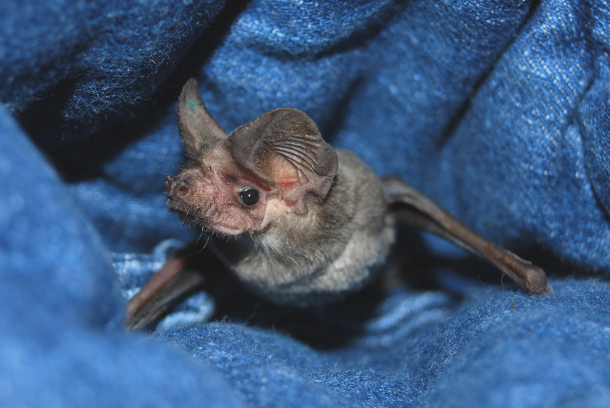
In Texas, this winter’s extreme weather delivered an unusual cold snap that some bats just couldn’t deal with. So, Mary Warwick, the Wildlife Director of the Houston Humane Society, sprang into action and along with help from Bat World Sanctuary saved around 1600 Mexican free-tailed bats from hypothermic shock. Living on Earth’s Paloma Beltran shares her story.