Living on Earth: February 10th, 2023
Air Date: February 10, 2023
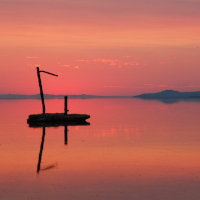
Since 1860 the Great Salt Lake has lost three-quarters of its water, mostly due to human activities, and some scientists now predict it will dry up completely in the next five years unless emergency conservation measures are taken. The loss of the lake would devastate migratory bird populations and create a public health crisis linked to toxic dust in the lakebed. Brigham Young University ecologist Benjamin Abbott spoke with Host Jenni Doering about the crisis and why water conservation in the agricultural sector is vital.
- 1Black History: George Washington Carver
- 2Environment & President Biden's State of the Union
- 3Great Salt Lake Going Dry
- 4Recycling and Unhoused Californians
- 5Red Tape for Green Buses
Black History: George Washington Carver
12 min read · 16 min listen
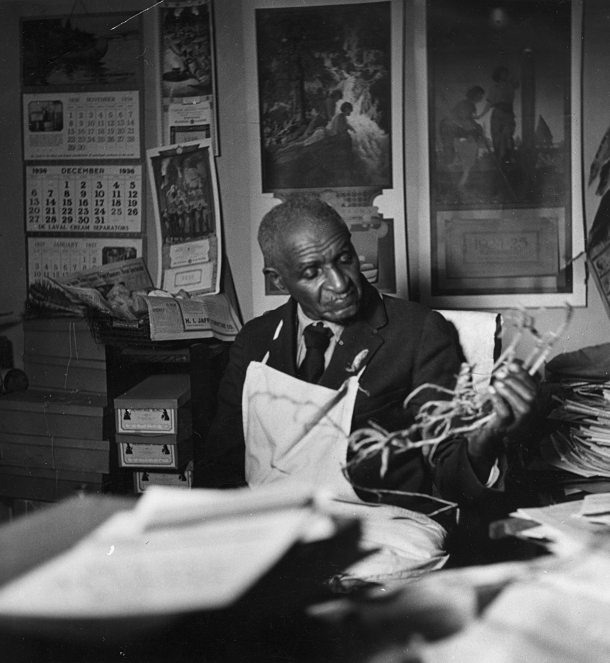
George Washington Carver was born into slavery but went on to become a famous agronomist and helped poor people in the South improve their lives and soils by planting peanuts and other legumes. This week, he comes back from the past in the form of actor and playwright Paxton Williams. As “George Washington Carver” Williams talks to host Steve Curwood about the future of modern-day agriculture and intersections between racial dynamics and agricultural development.
Environment & President Biden's State of the Union
7 min read · 9 min listen
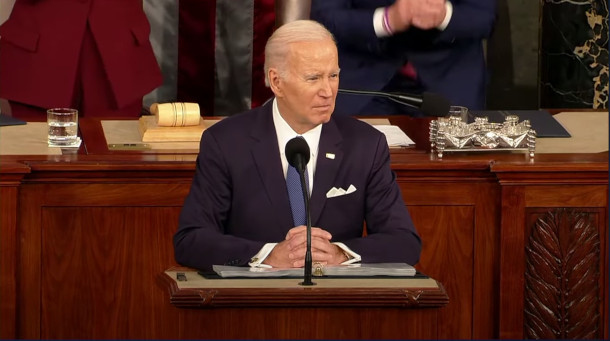
Though it was not the central theme of his 2023 State of the Union speech, President Biden devoted more time to the environment than previous presidents have in this annual ritual. Commentator Peter Dykstra and Host Steve Curwood discuss President Biden's mentions of climate investments across the United States and an initiative to replace lead pipes that drew bipartisan applause. For history they talk about Lyndon B. Johnson, the first US President to mention climate change in a written addendum to a State of the Union speech.
Great Salt Lake Going Dry
10 min read · 13 min listen
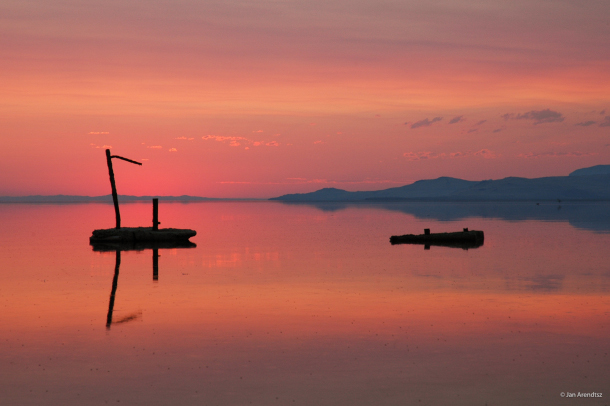
Since 1860 the Great Salt Lake has lost three-quarters of its water, mostly due to human activities, and some scientists now predict it will dry up completely in the next five years unless emergency conservation measures are taken. The loss of the lake would devastate migratory bird populations and create a public health crisis linked to toxic dust in the lakebed. Brigham Young University ecologist Benjamin Abbott spoke with Host Jenni Doering about the crisis and why water conservation in the agricultural sector is vital.
Recycling and Unhoused Californians
7 min read · 9 min listen
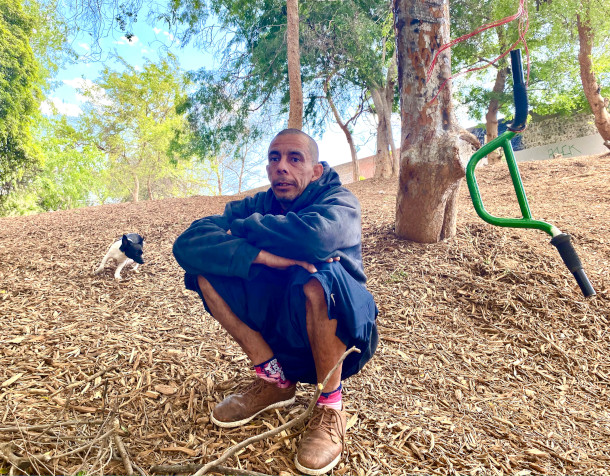
The California recycling system depends heavily on the informal labor of unhoused residents who collect recyclables and bring them to recycling centers. But many unhoused people say the state has rarely engaged with them and can even make it more difficult for them to do their work. Reporter Isabella Zavarise digs into the story for Living on Earth.
Red Tape for Green Buses
6 min read · 8 min listen
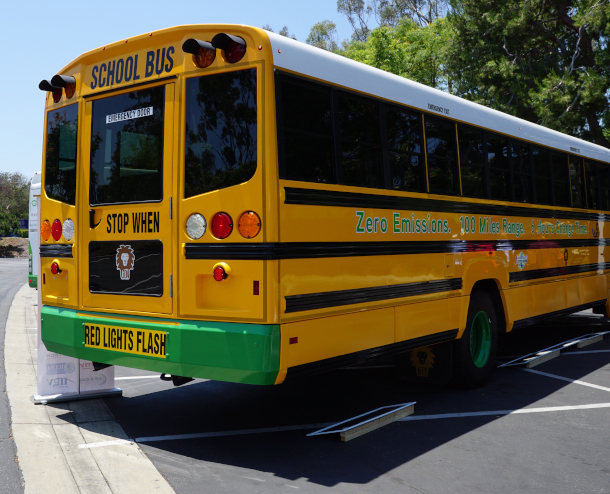
To replace polluting diesel school buses with clean electric ones the bipartisan infrastructure law signed by President Biden in 2021 allotted $5 billion over five years for low-income communities. But an unintended consequence of the measure’s terms prevents some of the neediest communities from benefiting from the program. Congresswoman Jan Schakowsky (IL-09) joins Host Steve Curwood from Washington, D.C. to explain what changes she and other lawmakers are calling for.
The Next Chapter of the Living on Earth Book Club
1 min read · 1 min listen

The cuddly Koala is one of the most charismatic and beloved species on Earth, but massive wildfires and habitat loss threaten their very existence. Tune in on March 2nd as we talk with award-winning Australian author Danielle Clode about her new book “Koala: A Natural History and an Uncertain Future", which takes us on a journey up into the trees to discover the remarkable physiology and ecology of koalas.