Living on Earth: July 21st, 2023
Air Date: July 21, 2023
Earth is choked by too much carbon in the atmosphere and running a fever that is only bound to get worse if we fail to restore its balance. Biologist Dr. George Woodwell explains to Host Steve Curwood why soaking up some of that carbon with the help of trees and plants is vitally important to life on Earth as we know it.

- 1A Call to Cool the Earth
- 2Beyond the Headlines
- 3California Targets Bogus Climate Offsets
- 4Finance and Climate Denial
- 5Lowballing Sea Level Rise
- 6Midnight in the Everglades
A Call to Cool the Earth
8 min read · 10 min listen
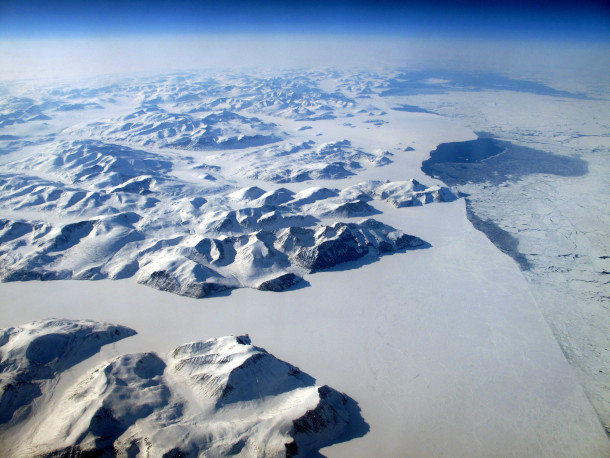
Earth is choked by too much carbon in the atmosphere and running a fever that is only bound to get worse if we fail to restore its balance. Biologist Dr. George Woodwell explains to Host Steve Curwood why soaking up some of that carbon with the help of trees and plants is vitally important to life on Earth as we know it.
Beyond the Headlines
4 min read · 5 min listen

This week, Living on Earth Contributor Peter Dykstra joins Host Aynsley O’Neill to discuss the threatened UPS driver strike and how extreme heat is making conditions inside UPS trucks unbearable. They also cover the “greenhushing” some companies are engaging in. And in history, they look back to when a patent was granted for center-pivot agriculture, making the desert bloom with huge green circles of crops.
California Targets Bogus Climate Offsets
8 min read · 11 min listen
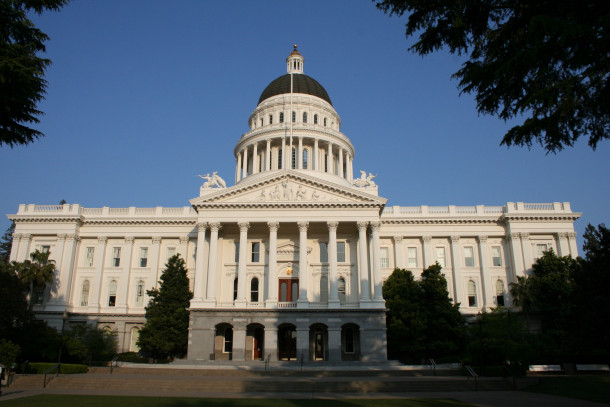
The California legislature is considering measures that would require large businesses to publicly disclose carbon emissions and verify claimed offsets. Aaron Cantu is a reporter for Capital and Main and joined Living on Earth’s Jenni Doering to give an overview of the bills and how advocates say they could help California meet its ambitious climate goals.
Finance and Climate Denial
8 min read · 10 min listen
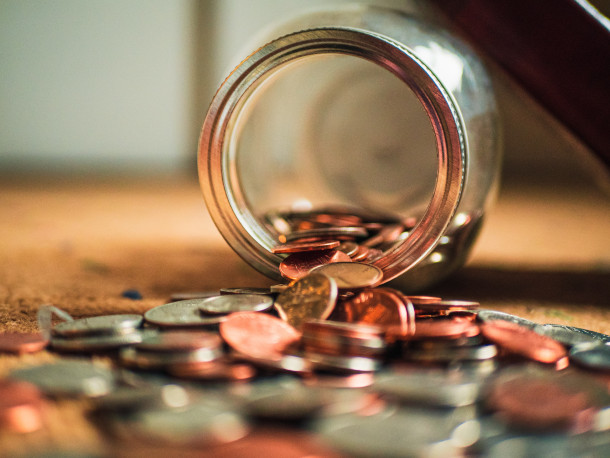
The financial sector isn’t taking likely climate impacts like moderate sea level rise into account when it calculates risks to assets, according to a report. That leaves retirement accounts and pensions vulnerable in a warming world. Inside Climate News reporter Dan Gearino joins Host Aynsley O’Neill to explain the findings.
Lowballing Sea Level Rise
9 min read · 11 min listen
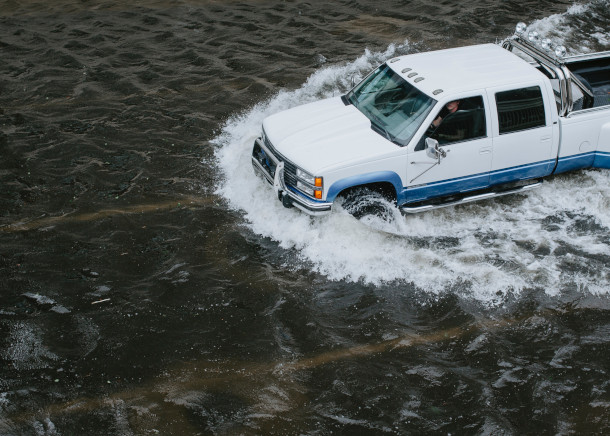
Many U.S. states and cities are underestimating how much the seas could rise even as they plan long term infrastructure, according to a study. Lead author Andra Garner of Rowan University joins Host Steve Curwood to explain why the moving target of climate impacts is confounding some planners.
Midnight in the Everglades
6 min read · 8 min listen
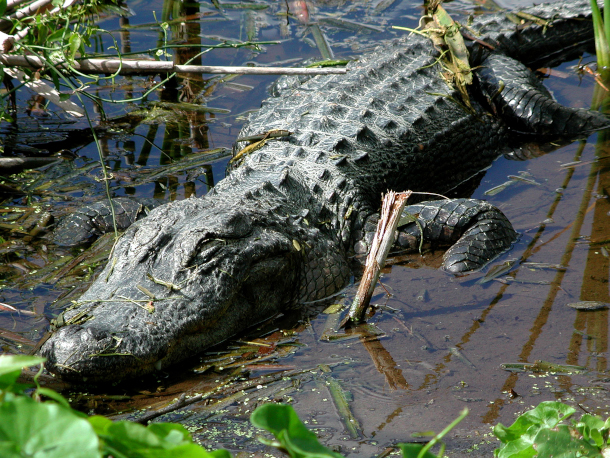
Alligators have such gaping jaws you might wonder what they eat. For one group of researchers looking into this, the answers so far point to snails and amphibians like the giant salamanders known as amphiumas, rather than fish or hapless mammals that walk too close to swampy waters. Living on Earth’s Don Lyman spent a night in Florida’s Everglades with a team investigating this and shares his story.