Living on Earth: September 1st, 2023
Air Date: September 01, 2023
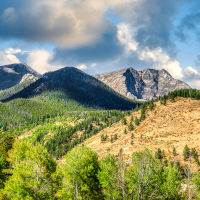
Because of its unique geography, the United States is particularly vulnerable to nearly every kind of natural disaster: tornadoes, hurricanes, wildfires, blizzards, and more. And as Associated Press science writer Seth Borenstein explains to Host Aynsley O’Neill, these natural disasters are getting an unnatural boost with climate change.
- 1Burning Sugarcane Pollutes Communities of Color
- 2Troubling Trend of Fewer Babies
- 3U.S. Primed for Climate Troubles
Burning Sugarcane Pollutes Communities of Color
20 min read · 26 min listen
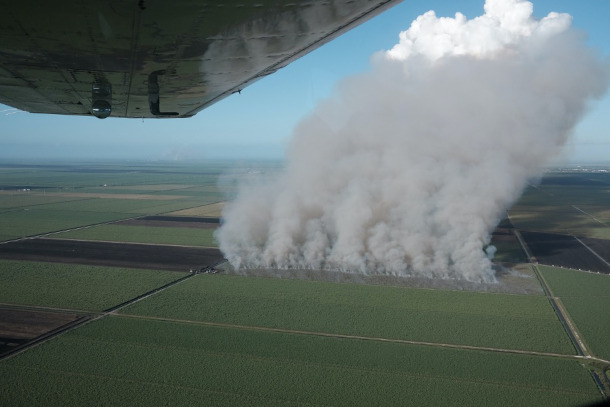
Some Florida sugarcane growers near the Everglades still use the archaic method of burning fields to remove the tops and leaves before harvesting the sweet cane stalks. As reporter Sandy Tolan explains, communities of color nearby assert they bear a disproportionate burden of adverse health effects from the resulting smoke and ash pollution.
Troubling Trend of Fewer Babies
13 min read · 18 min listen
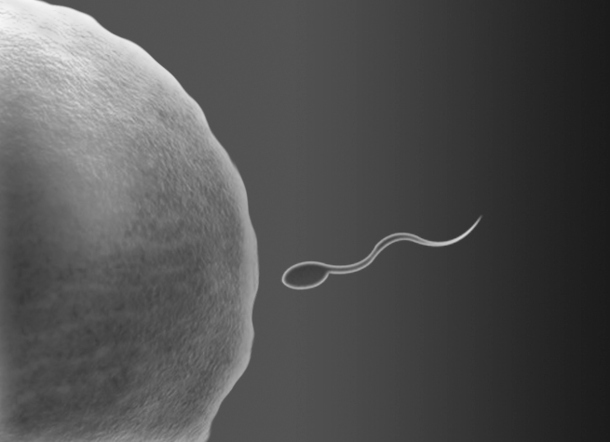
Over the past four decades, sperm levels among men in Western countries have dropped by more than 50%, and female fertility is also declining. Chemicals known as hormone disruptors are key culprits, including phthalates found in plastics. Shanna Swan, professor of Environmental Medicine and public health at Mount Sinai School of Medicine, led this groundbreaking research and is the author of the 2021 book, "Countdown: How Our Modern World is Threatening Sperm Counts, Altering Male and Female Reproductive Development and Imperiling the Future of the Human Race". Dr. Swan joins Host Steve Curwood to discuss the growing fertility crisis and why it hits vulnerable communities especially hard.
U.S. Primed for Climate Troubles
8 min read · 10 min listen
Because of its unique geography, the United States is particularly vulnerable to nearly every kind of natural disaster: tornadoes, hurricanes, wildfires, blizzards, and more. And as Associated Press science writer Seth Borenstein explains to Host Aynsley O’Neill, these natural disasters are getting an unnatural boost with climate change.