From the History Books
Air Date: April 12, 2024
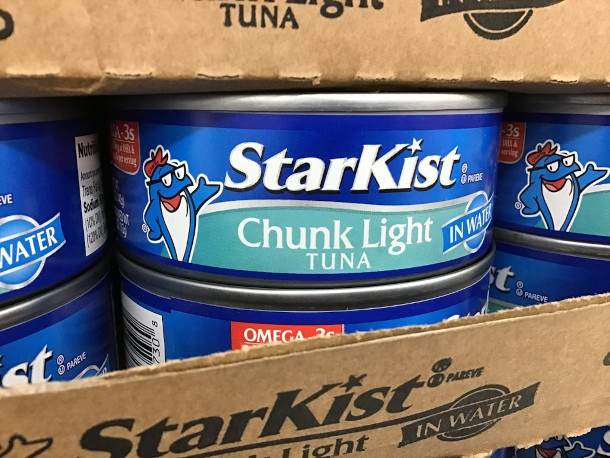
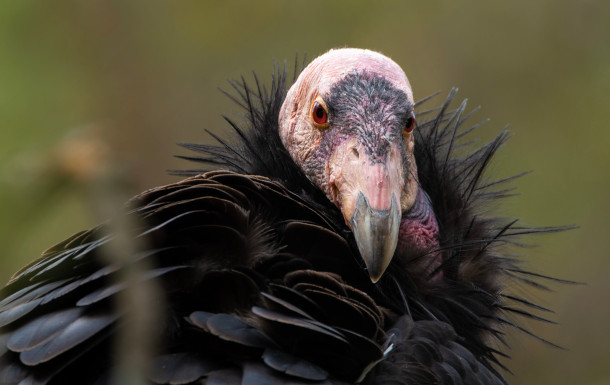
This week Living on Earth Contributor Peter Dykstra and Host Steve Curwood look back to a couple of big milestones in protecting species from human impacts, starting with when Starkist announced a shift to dolphin-safe tuna after an intrepid activist sparked a boycott. They also look back to the day the last wild California condor was captured as part of an intense captive breeding program that has helped the huge birds bounce back to around 400 today.

- 1From the History Books
Transcript
CURWOOD: On the line now from Atlanta, Georgia is the one and only Peter Dykstra, Living on Earth contributor and now a historian for us today. What do you see in the history books, Peter?
DYKSTRA: Hi, Steve. April 12, 1990, a red letter day thanks to a green activist, the StarKist brand announced it will no longer buy and sell tuna that's caught by methods that also cause the deaths of thousands of dolphins each year.
CURWOOD: And what was that method?
DYKSTRA: It's called purse seining. The fishermen would use nets that look like a gigantic string purse. They'd find tuna and literally draw the purse strings around a huge school of tuna. Many dolphin species associate with the tuna, were caught up in those nets and literally drowned. Not only were there tuna killed this way, but thousands of dolphins. It was causing an immense problem.
CURWOOD: So how did this come to light? Who's the green activist?
DYKSTRA: Sam LaBudde crewed as a cook aboard a tuna seiner. He did so at the risk of his own life. And what he did was videotape dozens of dolphin carcasses being hauled in with the tuna. That was shown. It prompted a boycott of the tuna industry. And StarKist executives, just before Earth Day were swayed. They decided to convert to what they called dolphin-safe tuna, and no longer used that purse sein method. LaBudde's courage won him the Goldman Environmental Prize the following year in 1991.
CURWOOD: Hey, Peter, what else do you have for us today?
DYKSTRA: On April 19, 1987, the last California condor believed to be alive in the wild, named AC9, was captured. Over the next 20 years, an intense captive breeding program brings the species back from the brink of extinction. They were nearly wiped out by habitat destruction, DDT use, and other threats. There are now over 400 California condors alive, nearly half of them rereleased into the wild, a real victory in saving a gravely endangered species.
CURWOOD: That's such a great story, Peter. Let's just hope that we can do that with other species that are on the brink.
DYKSTRA: Well, we have with some and we will.
CURWOOD: Peter Dykstra is a contributor to Living on Earth, and we'll talk to you again real soon.
DYKSTRA: All right, Steve, thanks a lot. Talk to you soon.
CURWOOD: And there's more on these stories on the Living on Earth webpage. That's loe.org.
