From the History Books
Air Date: May 10, 2024
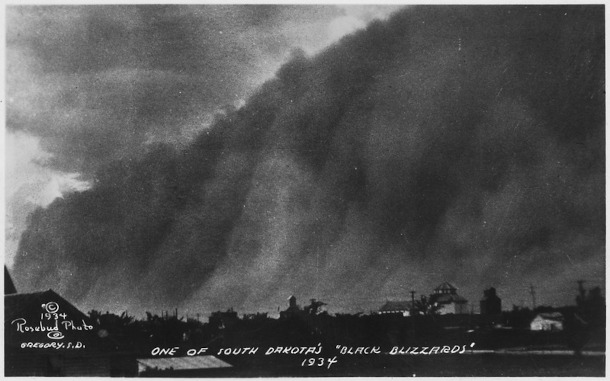
Living on Earth contributor Peter Dykstra joins Host Aynsley O’Neill for a trip back in time to a massive dust storm that covered the United States’ eastern seaboard in the 1930s, as well as the start of the Galapagos National Park in Ecuador.
- 1From the History Books
Transcript
BELTRAN: It’s Living on Earth. I’m Paloma Beltran.
O’NEILL: And I’m Aynsley O’Neill.
And joining me now on the line is Peter Dykstra, the Living on Earth contributor who is going to bring us a few stories from the history books. Hey, Peter, what do you have for me?
DYKSTRA: Hi, Aynsley, we're gonna go back 90 years, it's hard to believe it's been 90 years already since the Great American Dustbowl, but on May 12, 1934, what at the time was the worst dust storm in U.S. history, swept off the Great Plains and eventually reached all the way to the East Coast. It was hard to see the Statue of Liberty from Manhattan Island. And in Washington, D.C., there were hearings underway to talk about soil erosion and the dust storm when Congress sees firsthand the damage done by drought and poor land use all the way over 1,000 miles away in the Midwest. The Soil Conservation Service was launched the next year.
O'NEILL: Well, the Soil Conservation Service. What was that? What did that do for us, Peter?
DYKSTRA: It was and is an educational arm that taught farmers how to take that soil and have a permanent positive impact on agriculture, rather than wasting the soil in a few years and having it blow all over the eastern half of North America.
O'NEILL: And 90 years later, still relevant today. Right, Peter?
DYKSTRA: It is. And it's something that farmers have been taught to live by not only in this country, but around the world.
O'NEILL: All right, and Peter, what else do you have for me this week?
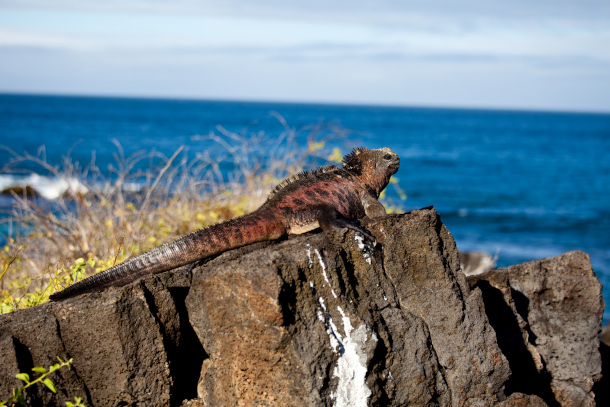
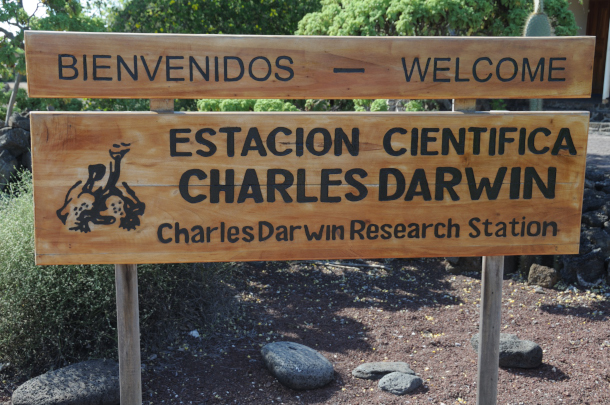
DYKSTRA: Another one that's almost 90 years old. May 14, 1936, the government of Ecuador established the forerunner of what would become the Galapagos National Park. The islands are known for their biodiversity and also their role in Charles Darwin's work, studying evolution. They became a haven for both science and ecotourism, except that the word “ecotourism” wouldn't be around for decades. The park's protected area was expanded in 1959.
O'NEILL: You know, Peter, I actually spent a couple of weeks in the Galapagos in college, and they're pretty serious about protecting their parks, they make sure that you are not bringing in any sort of invasive creatures. It might seem like a bit of overkill, but when you go there, it's really something else. It's like nothing you ever see anywhere else on Earth.
DYKSTRA: Right, and when you back up the value system that so many of us would like to see toward conservation, when you back it up with real money, because the Ecuadorians make money on protecting the environment in Galapagos.
O'NEILL: Alright, Peter. Well, thanks for that trip back in time. Peter Dykstra is a regular contributor to Living on Earth, and we will talk to you again soon.
DYKSTRA: Aynsley, thanks a lot. We'll talk to you soon.
O'NEILL: And there's more on these stories on the Living on Earth website. That's loe.org.