Living on Earth: May 17th, 2024
Air Date: May 17, 2024

2023 was the hottest year on record, at 1.48 degrees Celsius above preindustrial levels. That’s just below the 1.5 C increase that the UN says is the limit to avoid the worst impacts of climate change. As the summer of 2024 approaches in the Northern Hemisphere, climate scientists are raising the alarm on dangerous impacts of ongoing heat waves. Bob Berwyn from Inside Climate news joined Living on Earth’s Aynsley O’Neill to discuss ocean heat waves and profound grief among marine scientists.
- 1Animal Self-Medication
- 2Eco Grief Among Scientists
- 3From the History Books
- 4Nature and the Beat
- 5Phantom Carbon Credits
Animal Self-Medication
10 min read · 14 min listen
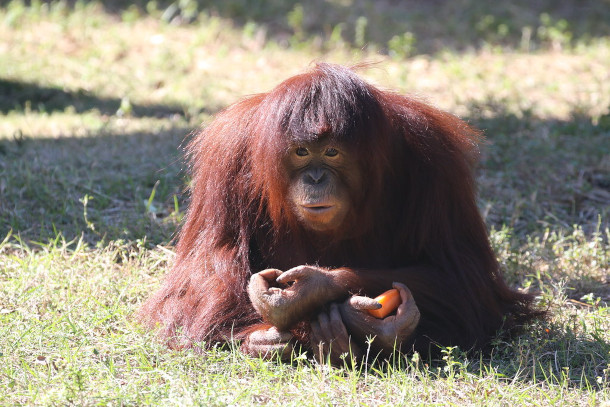
A paper published in the journal Scientific Reports describes the case study of an orangutan who treated and healed his own wound. Zoologists have long seen behaviors of self-medicating in the animal kingdom, but until now it has rarely if ever been documented in scientific literature. Michael Huffman, an ecologist who reviewed the paper joined Living on Earth’s Paloma Beltran to discuss how some animals are known heal themselves.
Eco Grief Among Scientists
12 min read · 15 min listen
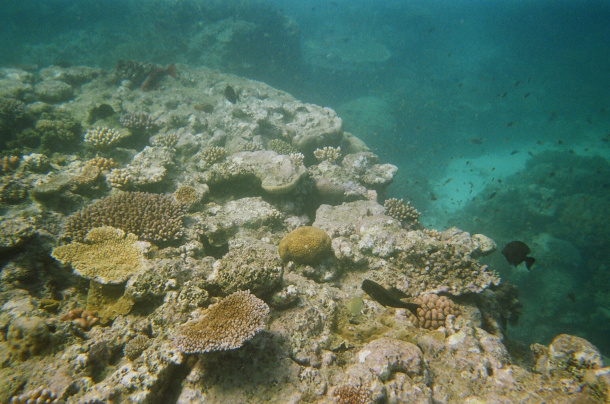
2023 was the hottest year on record, at 1.48 degrees Celsius above preindustrial levels. That’s just below the 1.5 C increase that the UN says is the limit to avoid the worst impacts of climate change. As the summer of 2024 approaches in the Northern Hemisphere, climate scientists are raising the alarm on dangerous impacts of ongoing heat waves. Bob Berwyn from Inside Climate news joined Living on Earth’s Aynsley O’Neill to discuss ocean heat waves and profound grief among marine scientists.
From the History Books
3 min read · 4 min listen
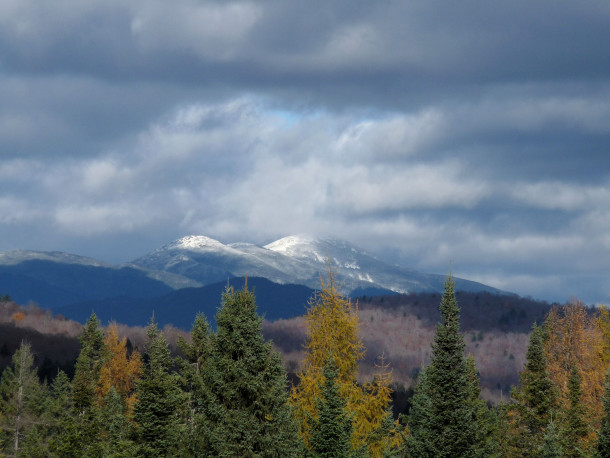
Living on Earth contributor Peter Dykstra joins Host Aynsley O’Neill for a trip back in time to the creation of the Adirondack Forest Preserve, as well to Franklin Delano Roosevelt’s signing of the Tennessee Valley Authority Act.
Nature and the Beat
5 min read · 7 min listen
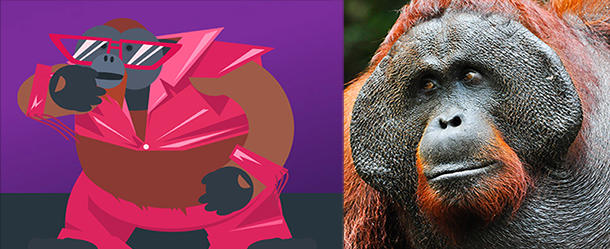
From the chirp of a Katydid to the screech of a parrot, the sounds of nature are all around us and now can be used to help humans make music. Living on Earth’s Bobby Bascomb reports on Beast Box, a website that allows users to create their own unique songs using catchy beats and animal calls as the instruments.
Phantom Carbon Credits
11 min read · 15 min listen

Shell’s flagship carbon capture and storage project in Canada generated millions of dollars in carbon credits based on greenhouse gas emission reductions that never took place. According to a study by Greenpeace Canada, the scheme was part of Shell’s billion-dollar Quest carbon capture project. While these phantom credits were legal from 2015 to 2021 under approved carbon tax rules, Shell’s actions raise questions about carbon capture practices in Canada’s lucrative fossil fuel industry. Living on Earth’s Steve Curwood spoke to Greenpeace Canada researcher Keith Stewart.