No Early Intervention of EPA Rule
Air Date: October 25, 2024
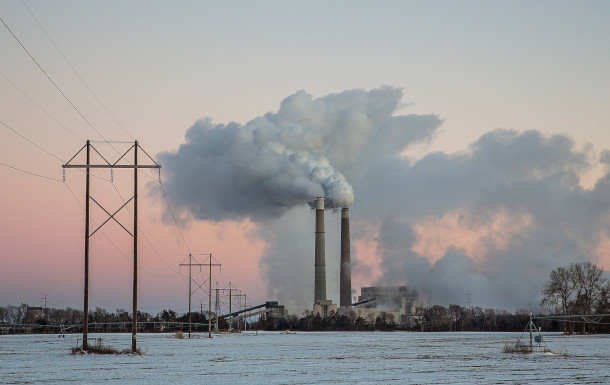
The U.S. Supreme Court denied an emergency motion from industry to block an EPA rule that compels a 90% reduction in carbon emissions by 2032 for some coal and gas power plants. It will now be up to the U.S. Court of Appeals for the DC Circuit to decide first about the rule and its requirement for carbon capture and storage.

- 1No Early Intervention of EPA Rule
Transcript
DOERING: After the break, the promise of clean, renewable energy from deep underground. But first, a note on environmental news from the highest court in the land. On October 16th, the U.S. Supreme Court allowed an EPA emissions rule to remain in place, for now. The regulation compels existing coal-fired power plants and new gas-fired plants to use carbon capture and storage to reduce their carbon emissions by 90% by 2032 if they want to remain operational after 2038. EPA says that over the next two decades, this rule would save as much carbon pollution as taking 328 million gas-powered cars off the road every year. Fossil fuel companies have thrown their weight behind carbon capture and storage, but now that EPA wants to require it; the industry appears to be backpedaling.
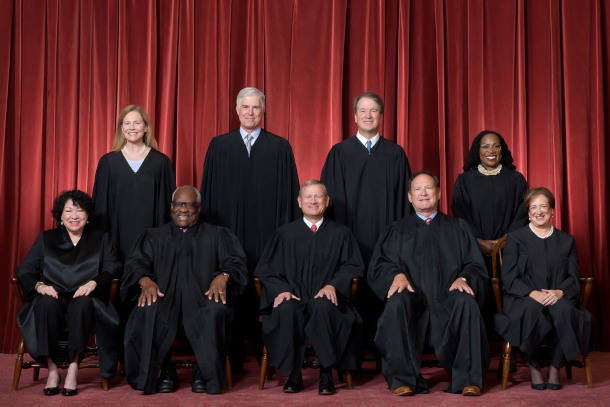
A group of states, energy companies and industry organizations filed a set of emergency motions arguing that the rule would cause irreparable harm to the power industry and reduce grid reliability. In a brief statement, Justices Brett Kavanaugh and Neil Gorsuch expressed sympathy for the plaintiffs’ case, but said that due to the regulation's long timeline, there was no urgent need to block it. So now it’ll be up to the U.S. Court of Appeals for the DC Circuit to decide the fate of the rule and its carbon capture requirement, starting with a December 6th court date. Just in time for the outgoing Biden administration to present its arguments before a new President takes office.