Living on Earth: September 5th, 2025
Air Date: September 05, 2025
New Jersey officials are calling its $2 billion settlement with major manufacturers of PFAS “forever chemicals” the largest environmental settlement ever won by a state. Shawn LaTourette, New Jersey’s Department of Environmental Protection Commissioner, discusses with Host Paloma Beltran the legacy of industrial contamination in the state and how the settlement is expected to pay for cleanup as well as restoration of degraded ecosystems.
- 1PFAS Polluters Pay Up
- 2Nickel Mining's Toll
- 3Tylenol Upcycled From Plastic
- 4Birdnote®: Poisonous Birds
- 5Roadless Rule Under Fire
PFAS Polluters Pay Up
10 min read · 14 min listen
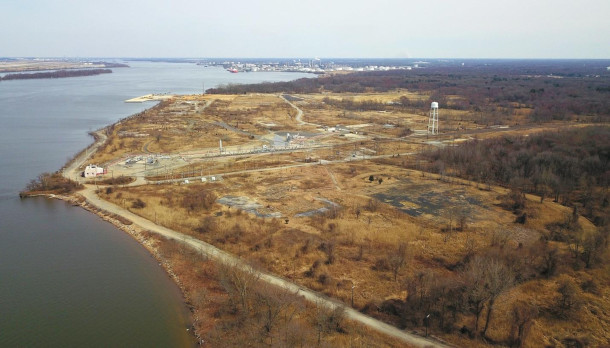
New Jersey officials are calling its $2 billion settlement with major manufacturers of PFAS “forever chemicals” the largest environmental settlement ever won by a state. Shawn LaTourette, New Jersey’s Department of Environmental Protection Commissioner, discusses with Host Paloma Beltran the legacy of industrial contamination in the state and how the settlement is expected to pay for cleanup as well as restoration of degraded ecosystems.
Nickel Mining's Toll
9 min read · 12 min listen
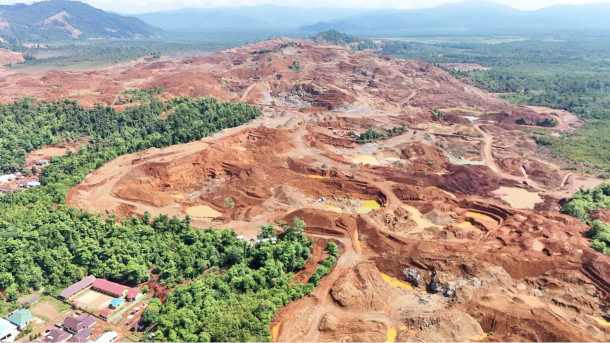
Nickel is a key mineral for the clean energy transition but can come at a cost to local communities because of how polluting nickel mining operations can be. In Indonesia leaked company documents reveal that Harita Nickel, one of the world’s largest nickel mining companies, knowingly polluted fresh water sources. Alon Aviram, a reporter with the nonprofit journalism newsroom called The Gecko Project, joins Host Paloma Beltran to discuss their investigation.
Tylenol Upcycled From Plastic
8 min read · 11 min listen
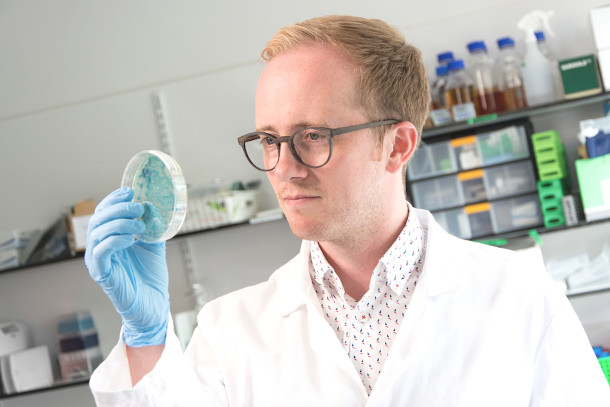
Scientists in the UK were able to use genetically modified bacteria to turn plastic bottles into the common pain reliever acetaminophen, also known as paracetamol and Tylenol. Lead researcher Stephen Wallace, a Professor of Chemical Biotechnology at the University of Edinburgh, speaks with Host Jenni Doering about the potential applications of this biotech breakthrough.
Birdnote®: Poisonous Birds
3 min read · 3 min listen
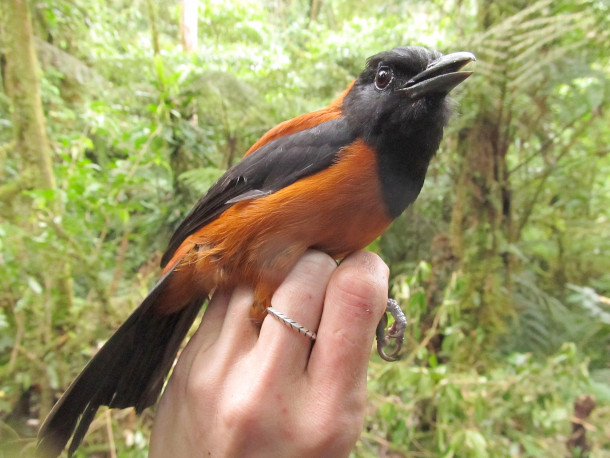
Nature has been tinkering with biology and chemistry for as long as life has existed on this planet. And as BirdNote®’s Michael Stein reports, some species have evolved to make use of special chemical weapons – a.k.a., poison.
Roadless Rule Under Fire
9 min read · 12 min listen

With an unusually short period for public comments the Trump administration is moving to repeal the “Roadless Rule,” which currently protects over 45 million pristine acres of national forests from access roads for logging. Randi Spivak, the public lands policy director for the Center for Biological Diversity, joins Host Jenni Doering to explain the potential consequences for critical habitat, watersheds, carbon storage and recreation if the Roadless Rule is repealed.