Living on Earth: May 15th, 2026
Air Date: May 15, 2026
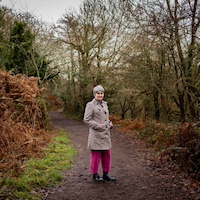
Great Britain is Europe’s third largest oil and gas producer, even with a commitment to a net-zero economy by 2050. A small group of climate activists is helping the UK meet that target by winning a Supreme Court decision that’s blocking any new UK oil and gas projects that don’t assess climate impacts. Sarah Finch of Surrey, near London led the fight against proposed oil and gas drilling in the region known as the Weald, and she’s been recognized with the 2026 Goldman Environmental Prize for Europe. She joins Host Steve Curwood.

- 1Blocking New UK Oil and Gas
- 2White House Accuses NCAR of "Climate Alarmism
- 3China Making Green Aluminum
- 4The Quest for Green Steel
- 5Elephant Elder Wisdom
Blocking New UK Oil and Gas
12 min read · 16 min listen

Great Britain is Europe’s third largest oil and gas producer, even with a commitment to a net-zero economy by 2050. A small group of climate activists is helping the UK meet that target by winning a Supreme Court decision that’s blocking any new UK oil and gas projects that don’t assess climate impacts. Sarah Finch of Surrey, near London led the fight against proposed oil and gas drilling in the region known as the Weald, and she’s been recognized with the 2026 Goldman Environmental Prize for Europe. She joins Host Steve Curwood.
White House Accuses NCAR of "Climate Alarmism"
8 min read · 11 min listen
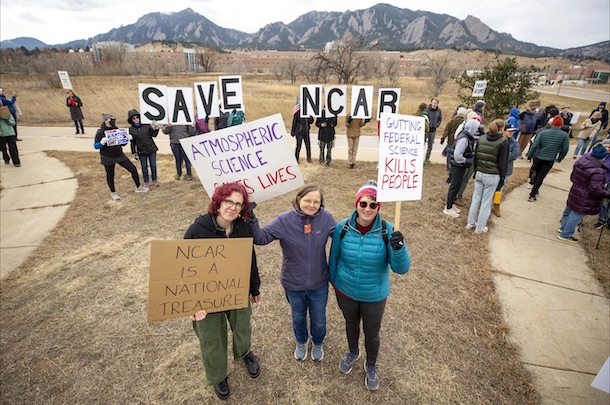
The federally funded National Center for Atmospheric Research, or NCAR, in Boulder, Colorado has been a leading agency for decades assessing the risks and possible responses to the changing climate. But in November, the Trump administration declared it was dismantling NCAR, citing its contribution to what the administration calls “climate alarmism.” University of Colorado - Boulder Professor Waleed Abdalati talks with Host Steve Curwood about the role of NCAR and why its parent organization has filed a lawsuit alleging a “campaign of retaliation against the State of Colorado.”
China Making Green Aluminum
7 min read · 9 min listen
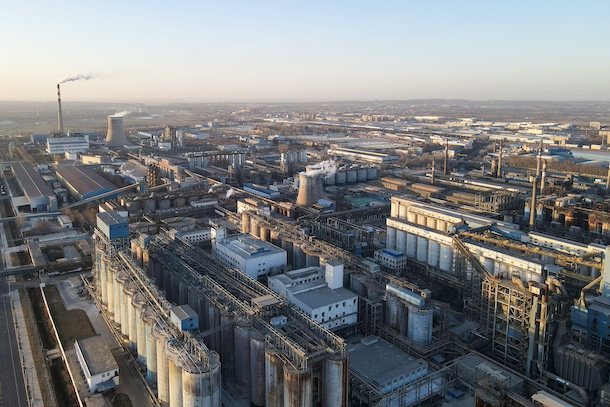
As China rapidly builds out renewable energy, it’s using some of that clean energy to power industrial activities like making aluminum, which is in high demand from data center and electrification projects. China produces 60% of the world’s aluminum, and smelting the metal uses massive amounts of electricity. Energy and climate journalist Alexander Kaufman joins Host Aynsley O’Neill to explain how Chinese aluminum is going green.
The Quest for Green Steel
6 min read · 8 min listen
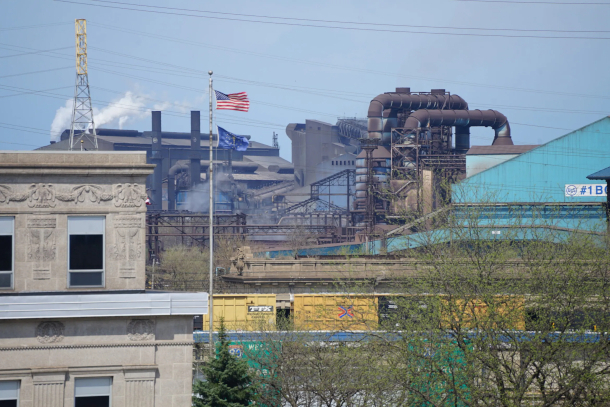
Just outside of Chicago, the country’s largest complex of steel mills faces an uncertain future. Air pollution, climate change and the preservation of union jobs are affecting the industry, as are the Trump administration’s stances on coal, steel, and tariffs. The Allegheny Front’s Reid Frazier reports on efforts to get big steelmakers in the region to switch from coal to natural gas or hydrogen, but overhauling existing infrastructure isn’t easy or cheap.
Elephant Elder Wisdom
9 min read · 11 min listen
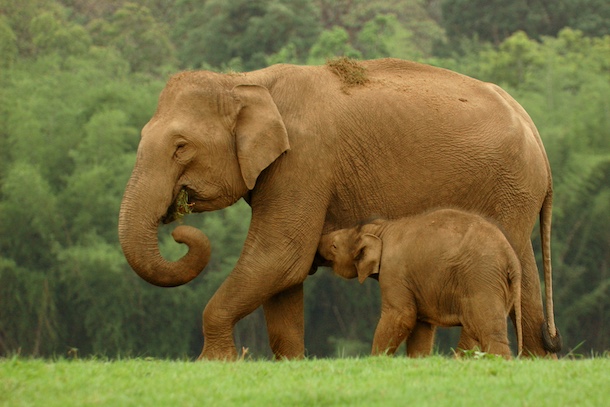
Elephants are social animals like us and pass down to their young knowledge and skills crucial to living a successful life. Researchers have found that elephant youths conduct themselves differently if they were raised without elders. Orphaned elephants have been seen struggling to integrate into broader social groups and inaccurately assessing threats from predators. Lucy Bates, a lecturer with the Center for Comparative and Evolutionary Psychology at the University of Portsmouth, speaks with Host Aynsley O’Neill about how this important role of elephant elders can help shape conservation priorities.
Delinquent Elephants
5 min read · 7 min listen
In the 1980’s, a group of orphaned elephants was relocated to a national park in South Africa with the hopes of repopulating the area. But park managers didn’t realize they were creating a juvenile delinquency problem. In the absence of older bulls, the young male elephants matured too soon and ended up killing endangered rhinos. Steve Curwood speaks with elephant researcher Rob Slotow on how the problem was solved.