Living on Earth: May 22nd, 2026
Air Date: May 22, 2026
Living near many large Concentrated Animal Feeding Operations or CAFOs appears to raise cancer risk, according to a study from Yale researchers. CAFOs pack thousands of pigs, cows, and chickens together to produce meat, dairy, and eggs. All those crowded animals can produce a lot of waste that pollutes air and water, which may explain an association between CAFOs and cancer, though the study does not prove causation. Brian Bienkowski, managing editor of The New Lede, joins Host Steve Curwood to talk about the research and how concerns transcend politics.
- 1Cancer and CAFOS
- 2Baby Right Whales Bring Hope
- 3Spring "Bursts" Forth
- 4Indigenous Wisdom in Science
Cancer and CAFOS
16 min read · 21 min listen
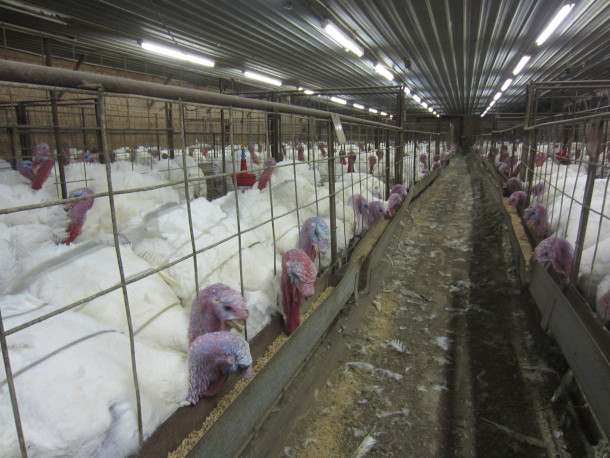
Living near many large Concentrated Animal Feeding Operations or CAFOs appears to raise cancer risk, according to a study from Yale researchers. CAFOs pack thousands of pigs, cows, and chickens together to produce meat, dairy, and eggs. All those crowded animals can produce a lot of waste that pollutes air and water, which may explain an association between CAFOs and cancer, though the study does not prove causation. Brian Bienkowski, managing editor of The New Lede, joins Host Steve Curwood to talk about the research and how concerns transcend politics.
Baby Right Whales Bring Hope
11 min read · 15 min listen
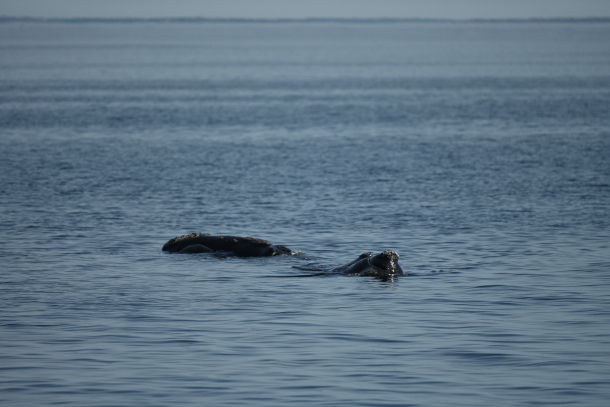
North Atlantic Right Whales were once so thoroughly hunted they nearly went extinct. When hunting these mammals was outlawed, they slowly started to bounce back, but today these Right whales are dealing with newer deadly threats, such as fishing gear entanglement and warming in the Gulf of Maine. So, it’s a relief to advocates to have a successful calving season like this year with 23 new calves, the most since 2009. Amy Warren, the Scientific Program Officer at the New England Aquarium, spoke with Host Aynsley O’Neill.
Spring "Bursts" Forth
2 min read · 2 min listen
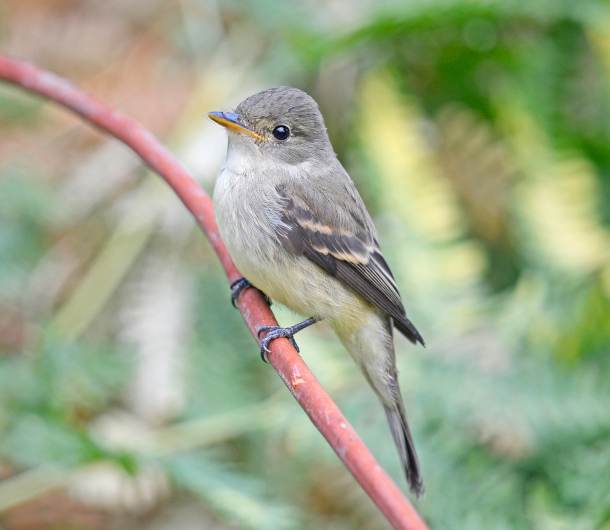
Springtime in the northern hemisphere brings many migrating birds returning from their winter havens, in a series of slowly breaking waves that sweep up from the south to the north. BirdNote’s Mary McCann reports.
Indigenous Wisdom in Science
17 min read · 23 min listen
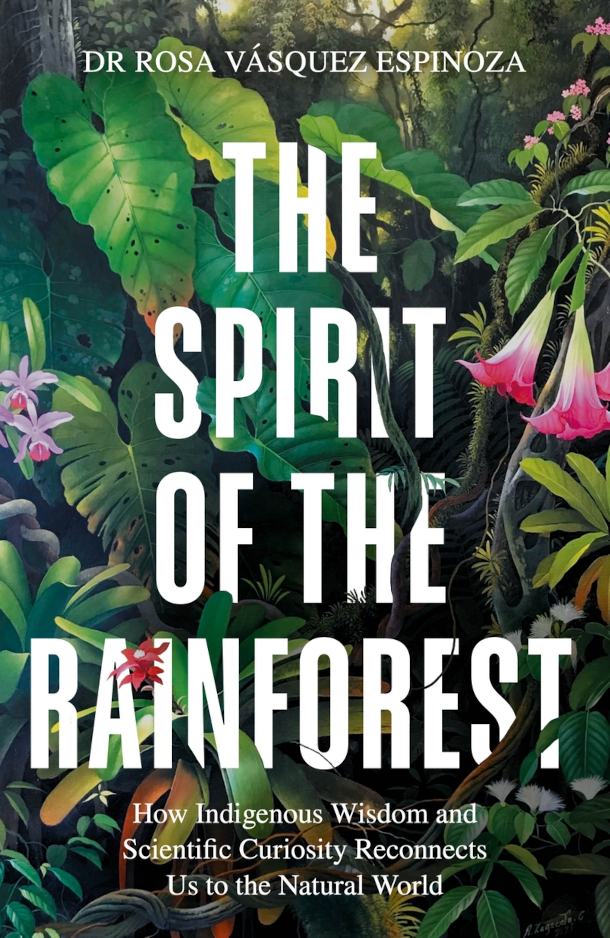
In accounts of scientific expeditions into the remotest parts of our world, indigenous people can often be depicted as mere backdrop—part of a quote “exotic” landscape, or at best, helpful sidekicks. But for Dr. Rosa Espinoza, a Peruvian chemical biologist and conservationist, the traditional knowledge and worldviews of indigenous people could be the key to unlocking some of nature’s greatest mysteries, if scientists are willing to listen—and collaborate. Host Aynsley O’Neill and Dr. Espinoza talk about her 2025 book, The Spirit of the Rainforest: How Indigenous Wisdom and Scientific Curiosity Reconnects Us to the Natural World.