Living on Earth: July 10th, 2026
Air Date: July 10, 2026
Midsummer in the Northern hemisphere marks the dead of winter in Antarctica, usually a time when temperatures plunge and the surrounding ocean ices over, nearly doubling the continent’s size. But this June, scientists found Antarctica’s west coast was missing a chunk of sea ice the size of France. Ted Scambos, a Senior Research Scientist at the University of Colorado Boulder, speaks with Host Aynsley O’Neill about how unusually warm ocean water is affecting sea ice as well as massive Antarctic glaciers.
- 1Antarctic Ice Missing
- 2Arctic Peatlands Expanding
- 3A Bend in the Creek
- 4Nuts to Feed the World
Antarctic Ice Missing
10 min read · 13 min listen
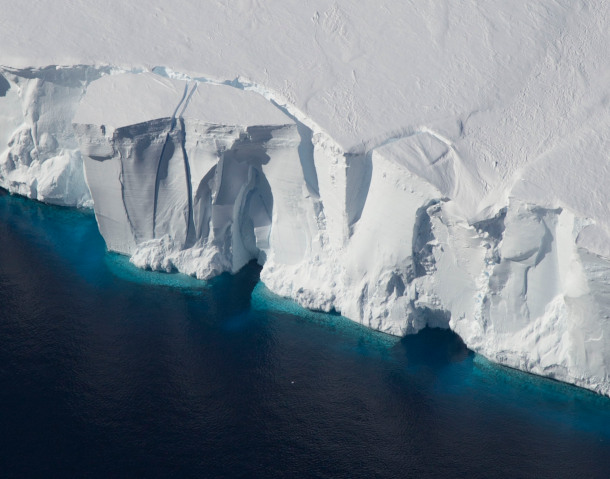
Midsummer in the Northern hemisphere marks the dead of winter in Antarctica, usually a time when temperatures plunge and the surrounding ocean ices over, nearly doubling the continent’s size. But this June, scientists found Antarctica’s west coast was missing a chunk of sea ice the size of France. Ted Scambos, a Senior Research Scientist at the University of Colorado Boulder, speaks with Host Aynsley O’Neill about how unusually warm ocean water is affecting sea ice as well as massive Antarctic glaciers.
Arctic Peatlands Expanding
9 min read · 12 min listen
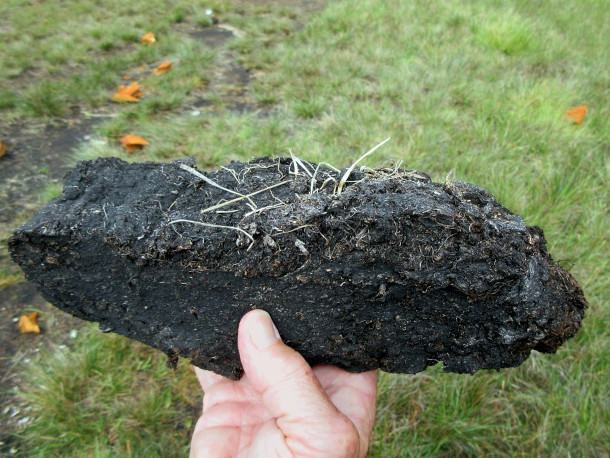
Recent findings that peatlands are expanding northward as the Arctic warms might sound like good news, since peat has powerful carbon storage capabilities. But it takes millennia for peat to sequester large amounts of carbon, while we are burning fossil fuels far more quickly than the Earth can absorb. One of the authors of the 2026 study on Arctic peatland expansion is Angela Gallego-Sala, a professor and biogeochemist at the University of Exeter in the UK, who talked with Living on Earth’s Jenni Doering about what changes in peatland distribution could mean for the climate.
A Bend in the Creek
6 min read · 7 min listen
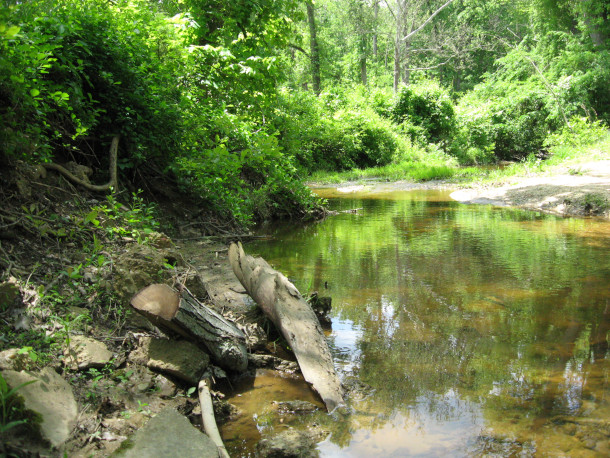
The long days of summer and freedom from school bring some kids the chance to explore the outdoors, sometimes with wildlife encounters. Living on Earth’s Don Lyman shares one of those memories from his boyhood and how it took on a new dimension later in life.
Nuts to Feed the World
15 min read · 20 min listen
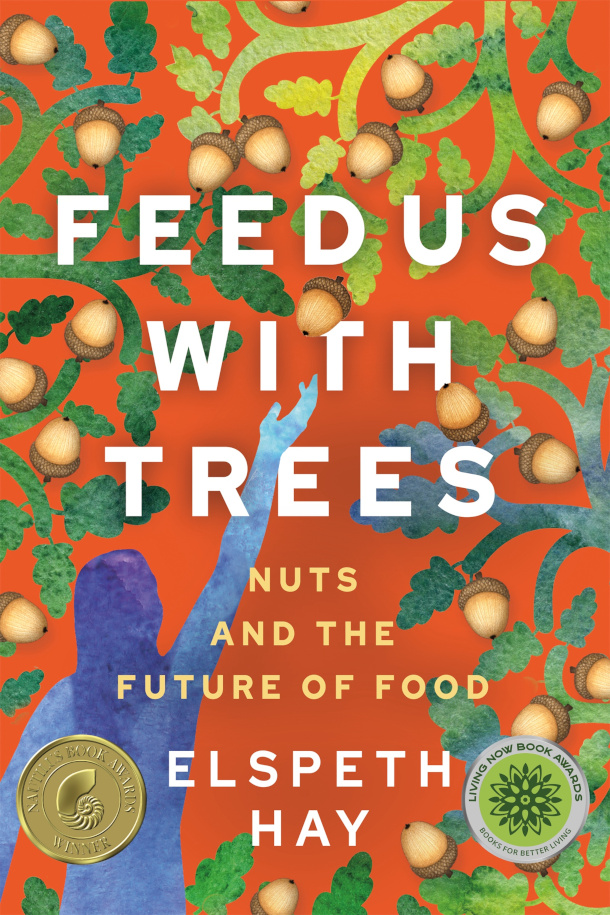
Much of the world’s staple crops of corn, wheat, rice and soy are grown in huge monocultures that disrupt ecosystems and require massive amounts of fertilizer, pesticides, fossil fuels and water. In her book Feed Us with Trees: Nuts and the Future of Food, Elspeth Hay offers a more sustainable vision of food production. She joins Host Paloma Beltran to share how nut trees can offer alternative sources of starch, protein and healthy fats that integrate well into local ecosystems and can help feed a growing population.