Living on Earth: August 7th, 2026
Air Date: August 07, 2026
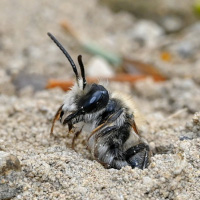
While honeybees get most of the buzz, most bees don’t produce honey, and most don’t even live in colonies. Instead, they’re solitary bees who build individual nests. These are the type of bees that Bryan Danforth studies as a professor of entomology at Cornell University. He speaks with Host Paloma Beltran about his paper detailing an astonishing finding of several million solitary bees in a cemetery in Ithaca, New York.
- 1A Cemetery Buzzing with Bees
- 2BirdNote®: Bee Hummingbird
- 3Bluetooth Butterfly Tracking
- 4How Flowers Made Our World
- 5Anthropocene Pastoral
A Cemetery Buzzing with Bees
10 min read · 14 min listen
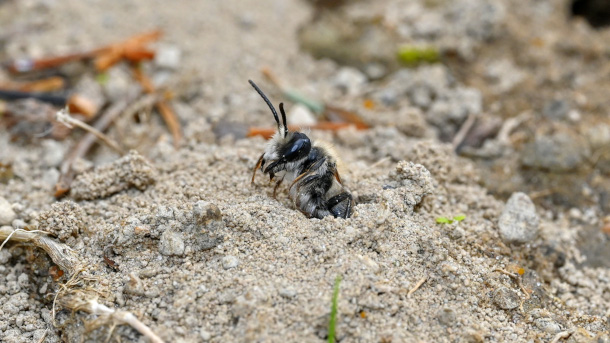
While honeybees get most of the buzz, most bees don’t produce honey, and most don’t even live in colonies. Instead, they’re solitary bees who build individual nests. These are the type of bees that Bryan Danforth studies as a professor of entomology at Cornell University. He speaks with Host Paloma Beltran about his paper detailing an astonishing finding of several million solitary bees in a cemetery in Ithaca, New York.
BirdNote®: Bee Hummingbird
2 min read · 3 min listen

The smallest bird in the world is a hummingbird found only in Cuba that lays eggs the size of a coffee bean. And as BirdNote®’s Mary McCann explains, they’re so small they’re often mistaken for bees.
Bluetooth Butterfly Tracking
13 min read · 17 min listen

Monarch butterflies can travel thousands of miles each year between Mexico and North America in an epic relay race of multiple generations. And thanks to new technology, our phones and other Bluetooth devices can now tell us what paths these brave little insects take on this journey. Dan Fagin, who teaches environmental journalism at NYU and is writing a book about monarchs, talks with Host Steve Curwood about the tiny trackers and what it’s like to be among millions of monarchs where they overwinter in Mexico.
How Flowers Made Our World
14 min read · 19 min listen
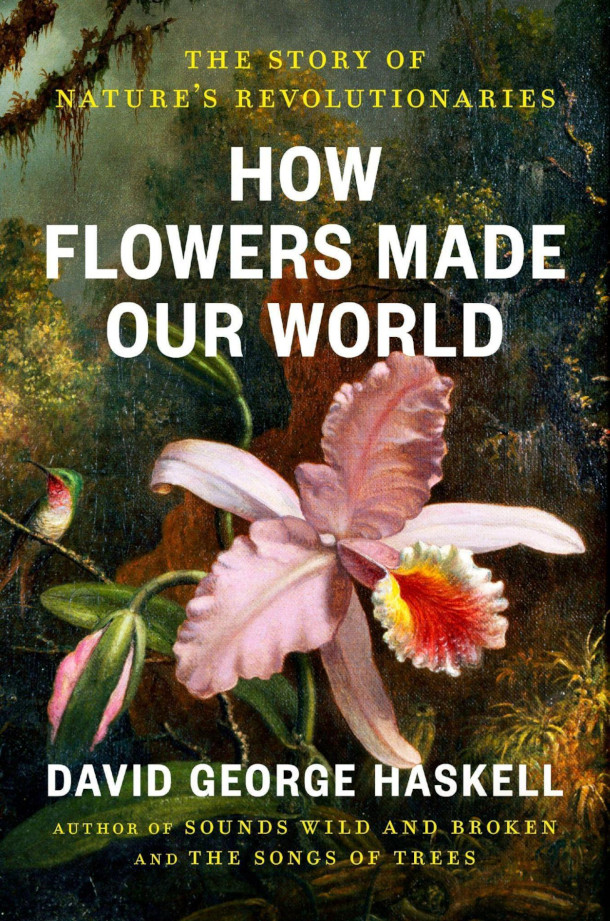
Summer flowers like black-eyed Susans, hibiscus, sunflowers and coneflowers fill gardens and parks with color and fragrance, but flowers are more than their beauty. They’re some of the oldest beings on Earth, and they played a large role in shaping the natural world as we know it. David George Haskell is an author and biologist whose 2026 book is How Flowers Made Our World: The Story of Nature’s Revolutionaries, and he joined Living on Earth’s Steve Curwood.
"Anthropocene Pastoral"
2 min read · 2 min listen
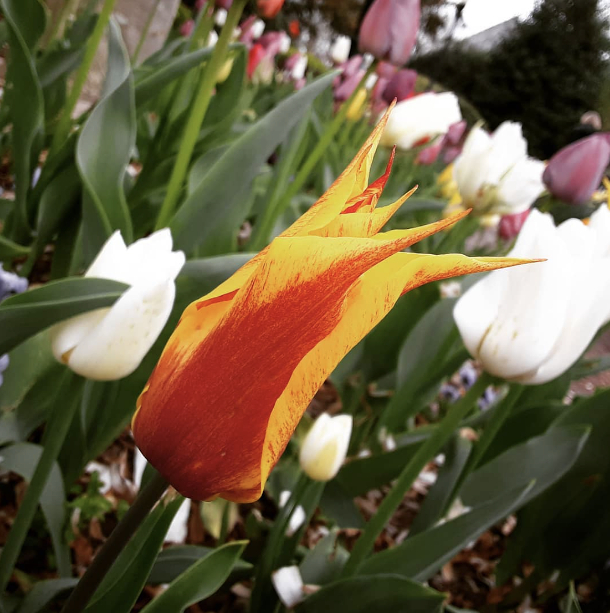
In her poems, Catherine Pierce grapples with unfolding climate disaster and reflects on finding beauty amidst the ecological disarray of the Anthropocene. Here she reads her poem “Anthropocene Pastoral” from her 2020 collection Danger Days.
