Living on Earth: September 25th, 2026
Air Date: September 25, 2026
The 2026 United Nations Climate Summit and Climate Week, which just wrapped up in New York City, took place in the wake of a summer marked by deadly extreme heat, the Nepal flood disaster and a UN report on the inevitable “overshoot” of the 1.5 degree C warming goal. Vernon Loeb, the executive editor of our media partner, Inside Climate News, speaks with Host Aynsley O’Neill about the disjoint between urgent warnings and pleas for help from vulnerable nations, while countries like the US continue boosting fossil fuels -- amid the rapid growth and cost savings of renewable energy.
- 1Leaders Meet Amid Climate Warnings
- 2Climate Justice and Healing for Nepal
- 312 Trillion Tons of Melted Ice
- 4Tiny Microbes in Tree Bark
- 5Alarming Global Temperature Rise
Leaders Meet Amid Climate Warnings
12 min read · 16 min listen
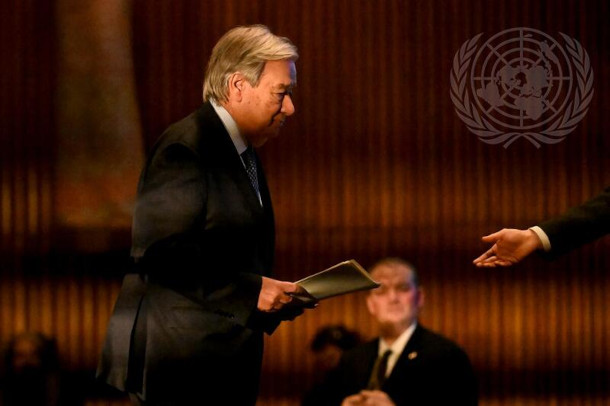
The 2026 United Nations Climate Summit and Climate Week, which just wrapped up in New York City, took place in the wake of a summer marked by deadly extreme heat, the Nepal flood disaster and a UN report on the inevitable “overshoot” of the 1.5 degree C warming goal. Vernon Loeb, the executive editor of our media partner, Inside Climate News, speaks with Host Aynsley O’Neill about the disjoint between urgent warnings and pleas for help from vulnerable nations, while countries like the US continue boosting fossil fuels -- amid the rapid growth and cost savings of renewable energy.
Climate Justice and Healing for Nepal
10 min read · 13 min listen

After the deadly floods in Nepal this August, researchers from the World Weather Attribution group rapidly assessed the event and concluded that climate change played a “very strong” role in the catastrophic glacial collapse. Tanuja Pandey, a climate justice activist and lawyer based in Kathmandu, Nepal, joins Host Paloma Beltran to discuss the human toll of the floods and the moral duty of the world to slow the climate crisis and help Nepal adapt.
12 Trillion Tons of Melted Ice
9 min read · 12 min listen
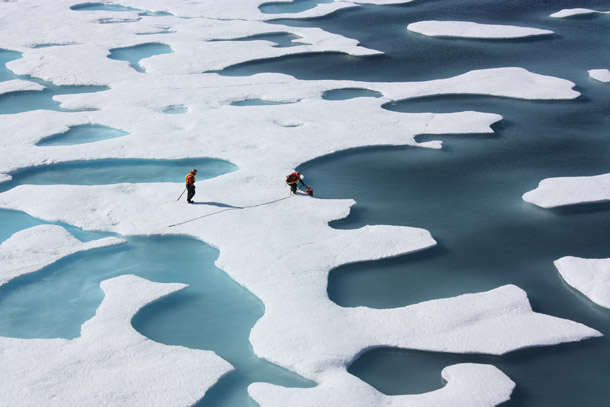
A recent study in the journal Scientific Data shows that since 1979, around 12.5 trillion tons of ice have melted from glaciers in Greenland and Antarctica -- enough to cover the entire US in 5 feet of ice. And the melting has been speeding up in the last two decades. Associated Press science writer Seth Borenstein and Host Aynsley O’Neill discuss the implications for future melting and global sea level rise.
Tiny Microbes in Tree Bark
8 min read · 10 min listen
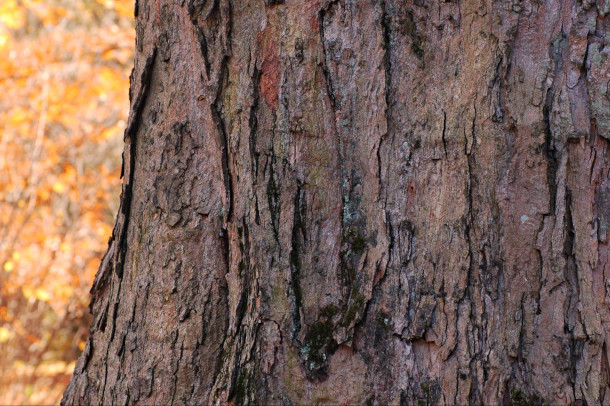
In addition to storing carbon through photosynthesis, trees have another carbon cycle trick up their sleeve, or rather, bark, and it's been hiding in plain sight. Scientists recently discovered that tree bark hosts millions of microbes involved in consuming and producing methane, a powerful greenhouse gas. Biogeochemist and forest ecologist Jonathan Gewirtzman of Yale University, who was not part of the study published in the journal Science, has been studying the relationship between trees and microbes, and he spoke with Living on Earth’s Jenni Doering.
Alarming Global Temperature Rise
17 min read · 22 min listen
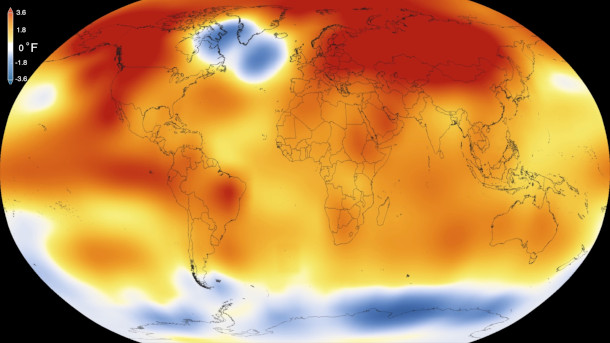
2026 was recorded as one of the hottest summers globally, with deadly heatwaves in Europe and catastrophic floods in Nepal. Ahead of a September meeting, the United Nations put out a report warning that current climate policies will lead to at least 1.8°C of global temperature increase, well beyond the 1.5°C goal of the Paris Agreement. Michael Mann, a distinguished professor of earth & environmental science and director of the Penn Center for Science, Sustainability, and the Media at the University of Pennsylvania joined Living on Earth’s Steve Curwood to give his assessment on where we stand on the climate emergency.
