Living on Earth: March 19th, 2010
Air Date: March 19, 2010

Cell phones may be hazardous to your health. The science is inconclusive but some states want to require warning labels on cell phones. David Carpenter is director of the Institute for Health and the Environment at the University at Albany. He tells host Jeff Young about research that shows a link between cell phone use and cancer.
Birds on the Wing
6 min read · 7 min listen
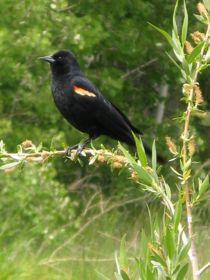
They fly by night, and the males arrive first to set up the breeding grounds. Not only that, but they sport regional dialects. Naturalist Laurie Sanders takes a look at a favorite songster - the red-winged blackbird.
Bonobo Bliss
7 min read · 10 min listen
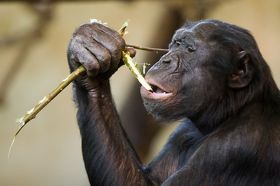
Unlike their close cousins, the Chimpanzee, when it comes to sharing Bonobo apes share and share alike. Chimps will fight over food but Bonobos are peace-loving animals and get their just rewards for sharing. Duke University evolutionary biologist Brian Hare discusses his latest research on Bonobo behavior with host Jeff Young.
Cellular Worries
5 min read · 7 min listen
Cell phones may be hazardous to your health. The science is inconclusive but some states want to require warning labels on cell phones. David Carpenter is director of the Institute for Health and the Environment at the University at Albany. He tells host Jeff Young about research that shows a link between cell phone use and cancer.
Note on Emerging Science
2 min read · 2 min listen
Some animals use sticks, leaves or mud to build durable nests. The Tungara frog uses bubbles. Living on Earth’s Bridget Macdonald reports on how scientists are studying frogs foam in order to make a similar material for medicinal use.
Rural Rabble Rousing
7 min read · 10 min listen
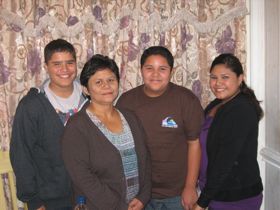
Much of inland California is rural and poor, a sharp contrast with hip, upscale coastal life. Residents in the rural regions sometimes live with a high degree of pollution. Producer Devin Robins visited three women who became activists over concerns for their communities’ health.
Seeds of Discontent
5 min read · 6 min listen
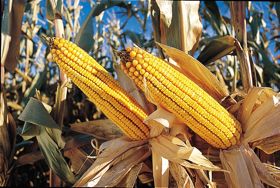
The Department of Justice is investigating whether the world’s largest seed producer, Monsanto, has stifled competition in order to keep prices high. Host Jeff Young talks with economist, lawyer, and farmer Neil Harl about whether the biotech giant could be violating anti-trust laws.
The Language of Landscape
2 min read · 2 min listen
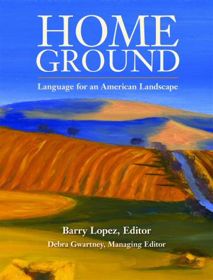
Living on Earth continues its series exploring features of the American landscape, based on the book Home Ground: Language for an American Landscape, edited by Barry Lopez and Debra Gwartney. In this installment, writer Donna Seaman explains the term "looking-glass prairie."
Toxic Bodies
8 min read · 10 min listen
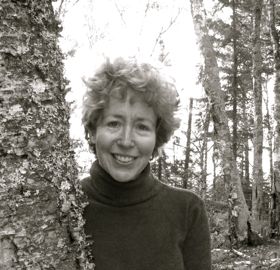
Endocrine disrupting chemicals like bisphenol A have been making news lately, with several states passing regulations limiting or banning their use. The trajectory of BPA is similar to another chemical, commonly known as DES, once prescribed for pregnant and menopausal women. Host Jeff Young talks with Professor Nancy Langston about the history of endocrine disrupting chemicals and how this history can inform future chemical regulation. Her book is called, “Toxic Bodies: Hormone Disruptors and the Legacy of DES.”