
Living on Earth: August 3rd, 2012
Air Date: August 03, 2012

Humanity can survive if we can keep the climate from warming less than two degrees Celsius, and emit less than 565 Gigatons of carbon dioxide. The problem: energy companies have 2,795 Gigatons of carbon left to burn. Environmentalist and writer Bill McKibben talks about his recent Rolling Stone article, “Global Warming’s Terrifying New Math” with host Steve Curwood.
BirdNote® Gulls of Summer
2 min read · 3 min listen
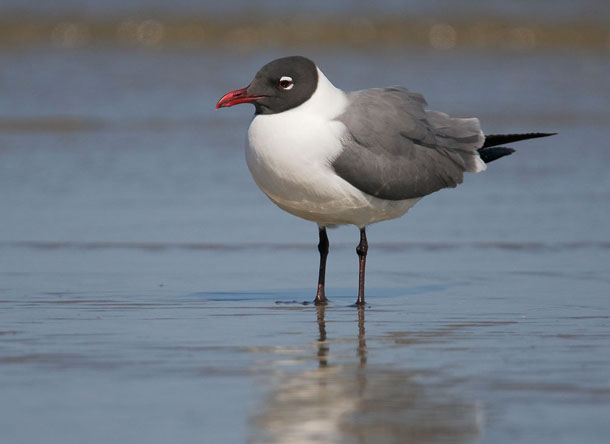
In August, a variety of species of gulls travel to the Pacific and Atlantic coasts after nesting elsewhere. Mary McCann has more.
Earth Ear- Bottlenose Dolphin
1 min read · 1 min listen
The sounds of Bottlenose Dolphins in Milford Sound, New Zealand.
Global Warming’s Terrifying New Math
11 min read · 15 min listen
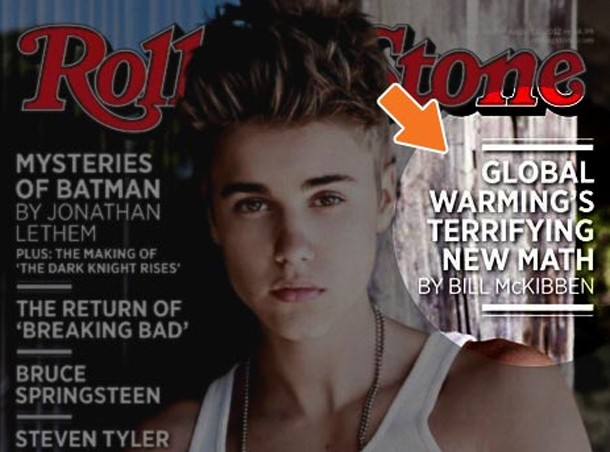
Humanity can survive if we can keep the climate from warming less than two degrees Celsius, and emit less than 565 Gigatons of carbon dioxide. The problem: energy companies have 2,795 Gigatons of carbon left to burn. Environmentalist and writer Bill McKibben talks about his recent Rolling Stone article, “Global Warming’s Terrifying New Math” with host Steve Curwood.
Greening the Playing Field
6 min read · 7 min listen

More Americans follow sports than science, and that enthusiasm could be put to good use. So says Allen Hershkowitz from the Natural Resources Defense Council. He tells host Steve Curwood how sports teams can encourage the public to become better environmental stewards.
Marine Reserves
6 min read · 7 min listen
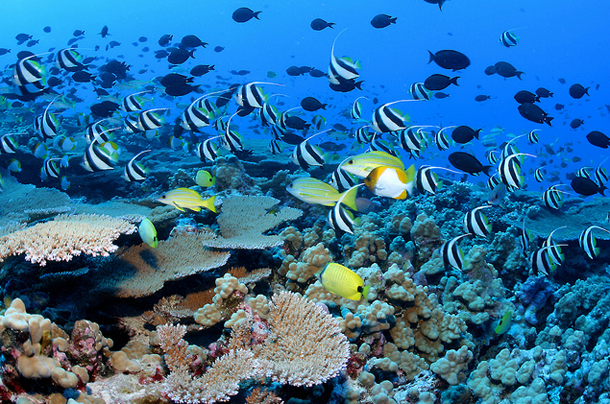
Divers flock to spots like the Great Barrier Reef, the Northern Hawaiian Islands, and the Phoenix Islands for their incredible biodiversity and picturesque reefs. Recently, national governments have recognized the importance of preserving these areas by implementing marine protection areas. Host Steve Curwood speaks with Phil Dearden, geography professor at the University of Victoria, about the state of the seas.
Protecting Marine Biodiversity in Brazil
6 min read · 7 min listen
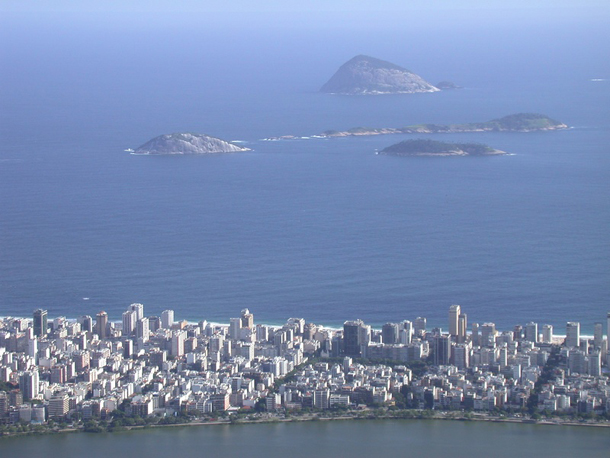
The Cagarras Islands archipelago near Rio de Janeiro, Brazil received federal protection in 2010. As Living on Earth’s Bobby Bascomb reports, scientists are already seeing successes for marine biodiversity conservation there.
The Fastest Car
8 min read · 10 min listen

A team in England is taking speed to new levels. No, we’re not talking about Olympic athletes, but instead, the creators of the Bloodhound Supersonic Car. As IEEE Spectrum Radio’s Lisa Raffensperger reports, the Bloodhound is designed to go a thousand miles an hour, making it the fastest car on earth.
The Place Where You Live
3 min read · 4 min listen
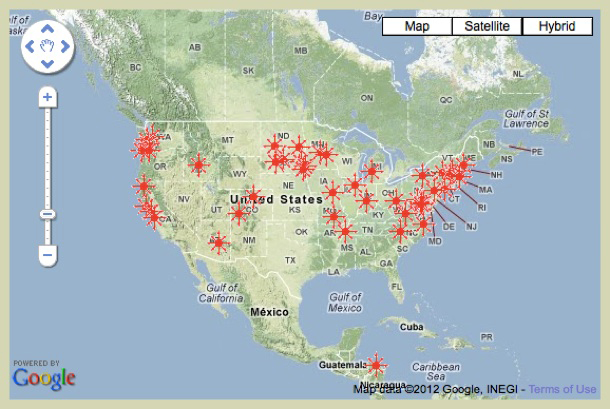
In collaboration with Orion Magazine, Living on Earth continues our feature “The Place Where You Live.” This week, Chaitali Banerjee follows a bird squawk on a bike and hike trail in Niskayuna, New York where she often takes refuge.