
Living on Earth: March 15th, 2013
Air Date: March 15, 2013

India is developing rapidly, and much of that growth is fueled by one of the dirtiest energy sources, coal. With even more coal plants planned, a new study shows that pollution from coal-fired power plants is killing up to 115,000 Indians every year. Report editor Ashish Fernades joins host Steve Curwood to discuss the state of coal in India.
BirdNote © Sage Grouse
2 min read · 3 min listen

In spring, male Greater Sage-Grouse go to traditional areas, called leks and compete to lure females to mate with elaborate and noisy displays. But as Michael Stein reports, the birds are endangered.
Endangered Species Gain More Protection
6 min read · 7 min listen

The triennial conference of CITES, the Convention on International Trade of Endangered Species recently met in Bangkok, Thailand. From the Center for Biological Diversity's Sarah Uhlemann tells host Steve Curwood that several species of sharks received unprecedented protection but the international community declined to give more protection for the polar bear.
GMO Food Labeling
5 min read · 6 min listen

From 2018 Whole Foods Market will require labeling for all genetically modified ingredients on products sold in its stores. Whole Foods’ Margaret Wittenberg tells host Steve Curwood that the grocery chain wants to give customers full information to make their own decisions.
India’s Coal Killing Thousands
8 min read · 10 min listen
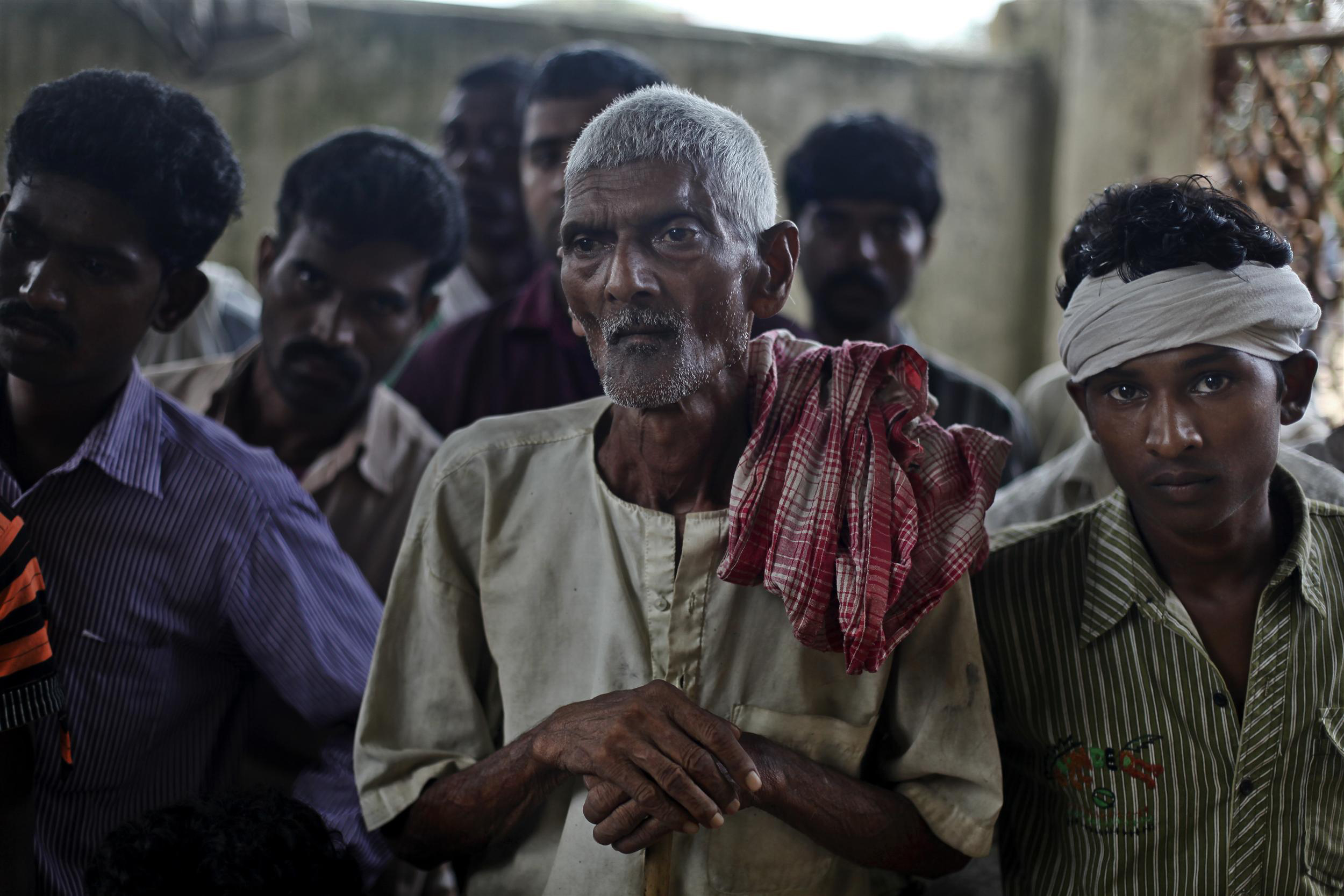
India is developing rapidly, and much of that growth is fueled by one of the dirtiest energy sources, coal. With even more coal plants planned, a new study shows that pollution from coal-fired power plants is killing up to 115,000 Indians every year. Report editor Ashish Fernades joins host Steve Curwood to discuss the state of coal in India.
Land Rising
7 min read · 9 min listen
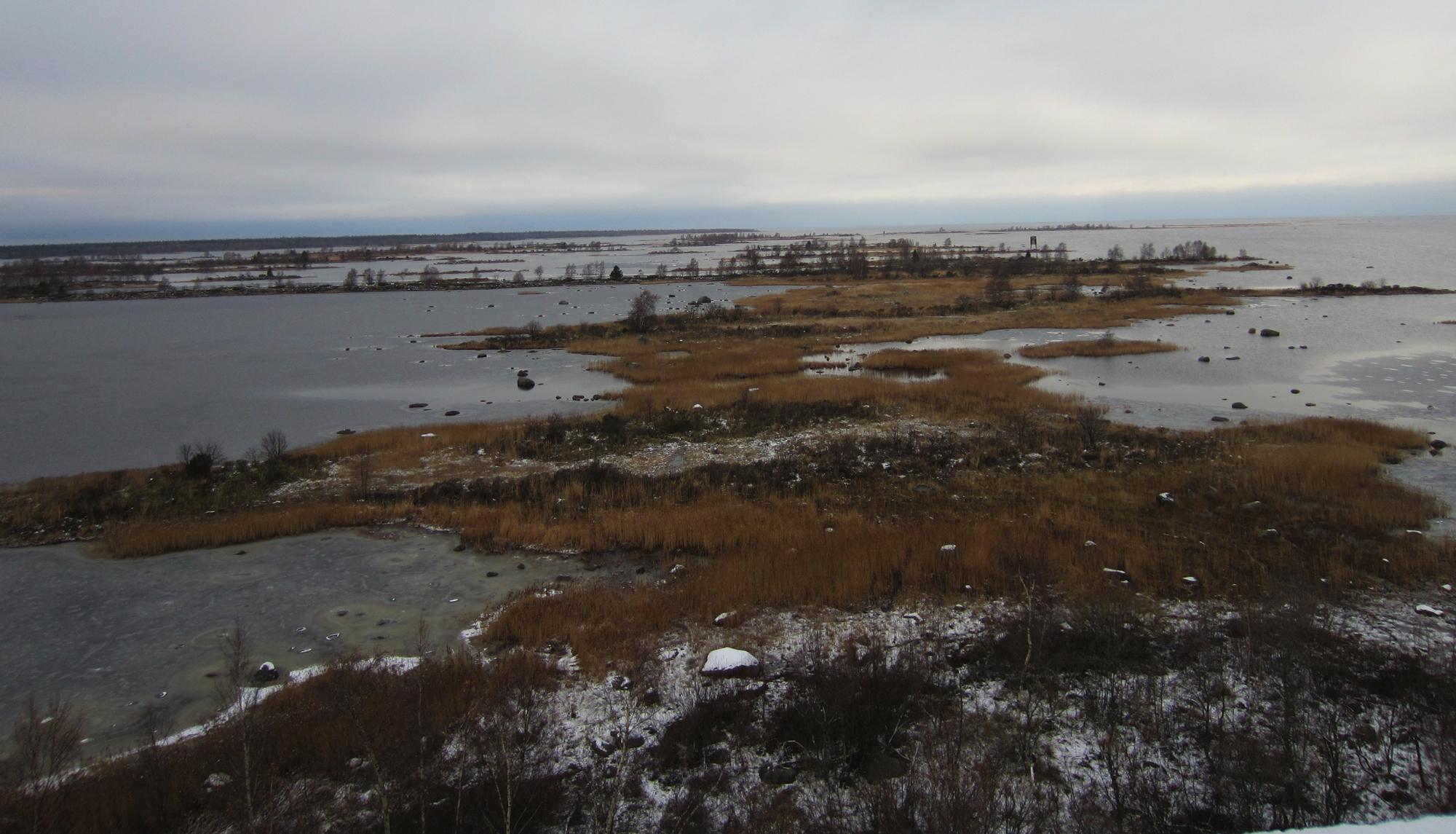
Sea levels are rising around the world, swamping coastal areas as the climate changes and ice cover shrinks. Yet in some parts of Scandinavia the land is rising even faster than the sea, at least for now. From Finland, Rae Ellen Bichell reports.
Monarch Migration
5 min read · 6 min listen

Each spring, millions of Monarch butterflies migrate from Mexico north to the US. New research suggests that temperature plays a large role in signaling the butterflies to get moving. University of Massachusetts Medical School professor, Steven Reppert, tells host Steve Curwood that in the future, climate change could disrupt monarch migration.
The Deep Carbon Observatory
8 min read · 10 min listen

Researchers at the Deep Carbon Observatory are probing the biosphere deep underground, which could give a clue to the origin of life on Earth. DCO Executive Director Robert Hazen tells host Steve Curwood about the exploration of the diverse and abundant forms of carbon below the surface.
Voices of Coal
5 min read · 7 min listen

The US coal industry wants to build facilities in the Pacific Northwest to export their product to Asia. The planned ports have divided local communities. Ashley Ahearn, of the public radio collaborative EarthFix, tells host Steve Curwood about the debate and the EarthFix project, Voices of Coal.