Living on Earth: October 3rd, 2014
Air Date: October 03, 2014
The World Wildlife Fund recently released its 2014 Living Planet Report, which studied 10,000 wildlife populations across the globe to assess the overall State of the Planet. Host Steve Curwood discusses the report with WWF’s Director of Renewable Energy and Footprint Outreach, Keya Chatterjee, who argues the sharp decline in wildlife numbers as human population has grown shows there’s an urgent need to limit our global ecological footprint.
Beyond the Headlines
5 min read · 7 min listen
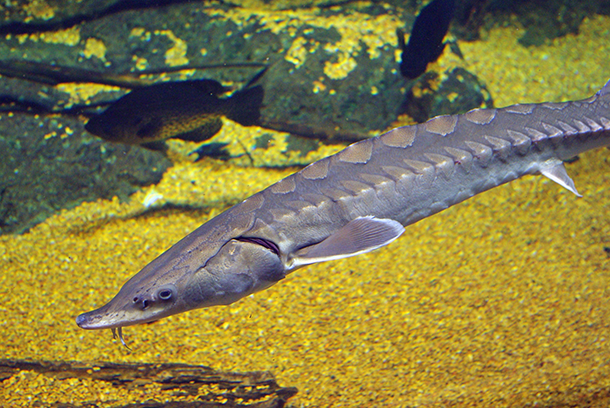
In this week’s trip beyond the headlines, Peter Dykstra tells host Steve Curwood about an ugly prehistoric fish making a comeback, a prettier but invasive fish with a ferocious appetite and a conference where the Ford Motor Company and GreenPeace were on the same page.
BirdNote® Bushtit - A Very Tiny Songbird
2 min read · 3 min listen
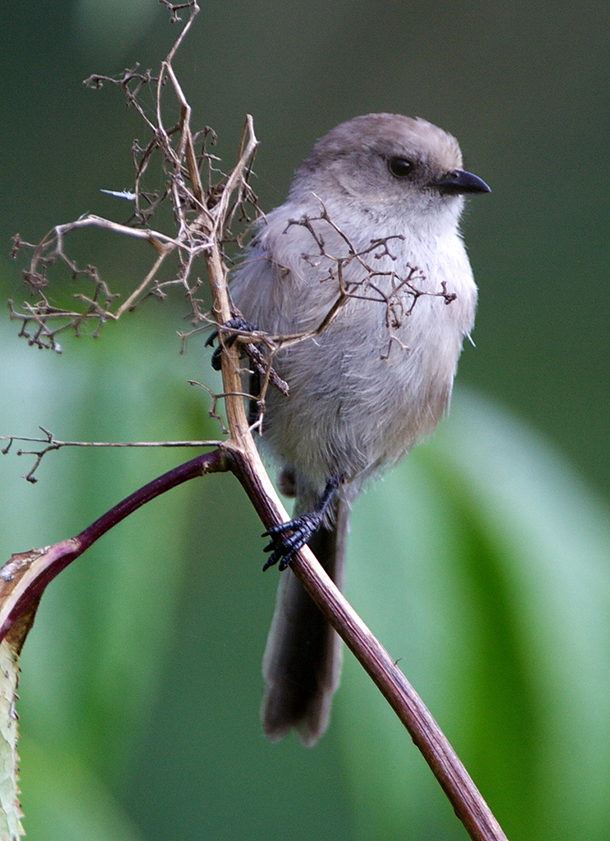
Mary McCann observes sprightly bushtits as they hang upside-down from branches to feed on insects under leaves and tweet constantly as they fly in sizeable flocks from bush to bush.
BirdNote: Solving the Mystery of the Herring Gull’s Red Spot
2 min read · 3 min listen
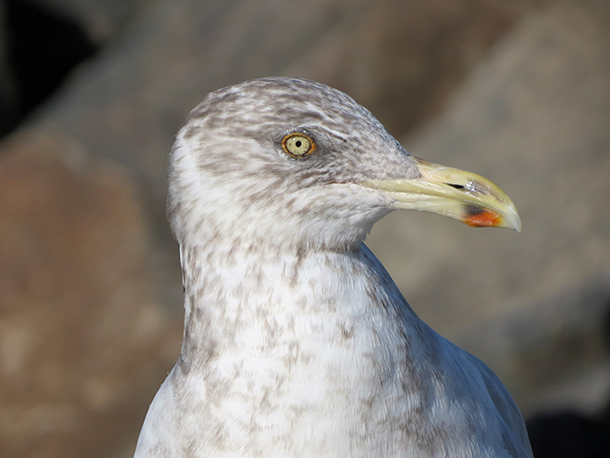
Mary McCann explains how a tiny red spot on the tip of a Herring Gull’s beak is a visual trigger for gull chicks and scientists — causing the young to feed, and setting off animal behavior experiments that led to a Nobel Prize.
Firing Up U.S. Nuclear Power
9 min read · 12 min listen

The United States is ramping up carbon-free energy generation to help curb the climate crisis, and nuclear power provides a reliable source. Former New Jersey Republican Governor and EPA Administrator Christie Whitman discusses how this source fits into the U.S. energy mix with host Steve Curwood, and how current technology can minimize meltdown risk and security issues.
Greening the Tea Party
6 min read · 7 min listen

There’s a new environmental awareness among Tea Party members in Texas who say that conservation is a conservative value. Carl Lindemann reports that some southern Tea Party members label themselves “green conservatives”, advocating that clean energy can work within the free market system, and help alleviate national security concerns.
Nuclear Power Comeback?
8 min read · 10 min listen

The Nuclear Regulatory Commission recently approved the first nuclear reactor in more than 30 years. Leslie Kass of the Nuclear Energy Institute tells host Bruce Gellerman about the AP 1000, a modular nuclear reactor designed for standardized installation and maintenance.
Obama Creates the World’s Largest Ocean Reserve
6 min read · 7 min listen
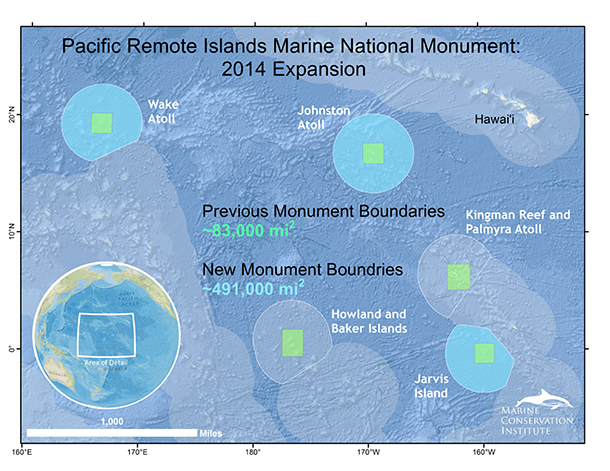
President Obama expanded the Pacific Remote Islands National Marine Monument, protecting nearly half a million square miles of Pacific Ocean from commercial exploitation. Host Steve Curwood spoke with the Marine Conservation Institute’s Founder Elliott Norse about the impact of the reserve on the ecosystem and the precedent it sets for global conservation.
Professor Dumpster
9 min read · 11 min listen
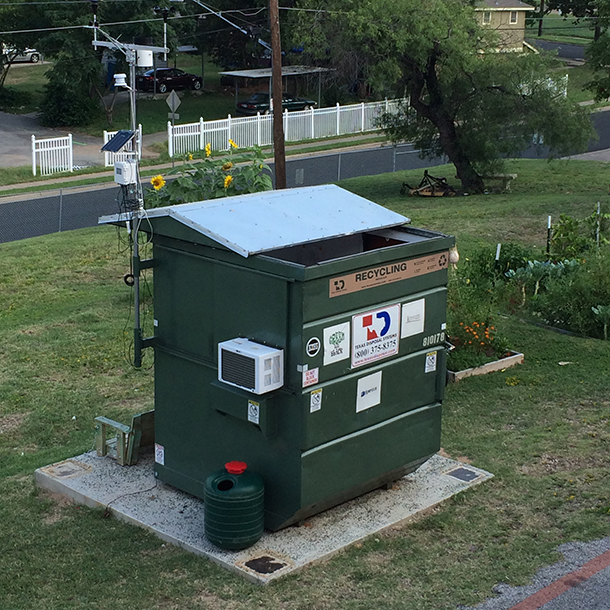
At Huston-Tillotson University in Austin, Texas an environmental science professor teaches sustainability by example, transforming an empty dumpster into a tiny apartment where he’s lived for a year. Professor Jeff Wilson tells host Steve Curwood about life in his micro home and his long-term goals for Project Dumpster.
The State of the Planet
9 min read · 12 min listen
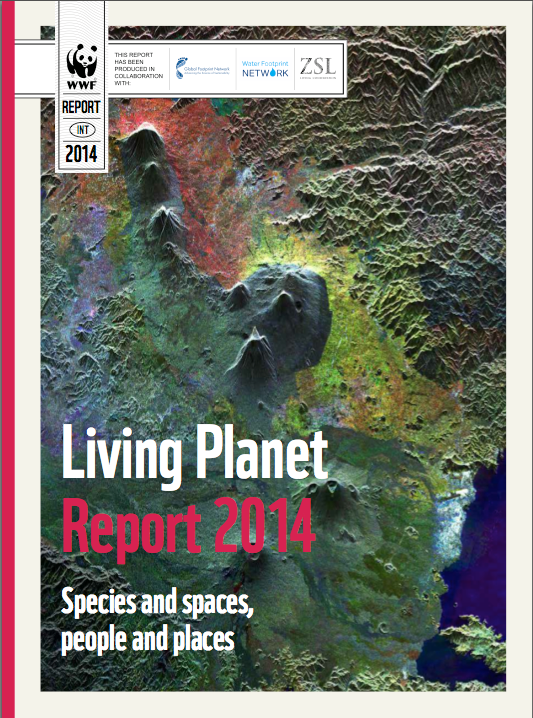
The World Wildlife Fund recently released its 2014 Living Planet Report, which studied 10,000 wildlife populations across the globe to assess the overall State of the Planet. Host Steve Curwood discusses the report with WWF’s Director of Renewable Energy and Footprint Outreach, Keya Chatterjee, who argues the sharp decline in wildlife numbers as human population has grown shows there’s an urgent need to limit our global ecological footprint.