
Living on Earth: October 31st, 2014
Air Date: October 31, 2014
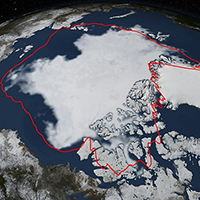
A new study published in Nature Geoscience found that the likelihood of unusually cold winters in parts of Eurasia doubles as the Arctic warms and sea ice declines. Host Steve Curwood discusses the findings with Rutgers University climate researcher Jennifer Francis, who also explains how rising temperatures in the far north are changing world weather.
Agent Orange-Related Herbicide Approved for GMO Crops; EPA Sued
8 min read · 10 min listen
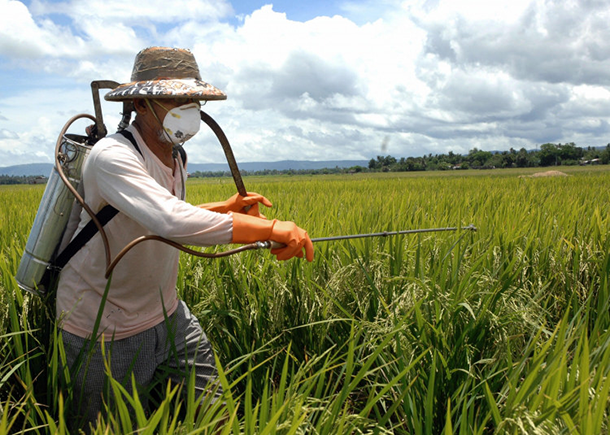
A coalition of environmental groups and farmers is suing the EPA over approval of Dow Chemical’s new GMO crop herbicide, Enlist Duo, a combination of glyphosate and 2,4 D, an ingredient of Agent Orange. The lawsuit alleges inadequate environmental and health assessments by the agency. Host Steve Curwood and the Center for Food Safety’s science policy analyst Bill Freese discuss the suit and effects the herbicide might have on weed resistance and pollinators.
Albanian Migratory Bird Poaching
8 min read · 10 min listen
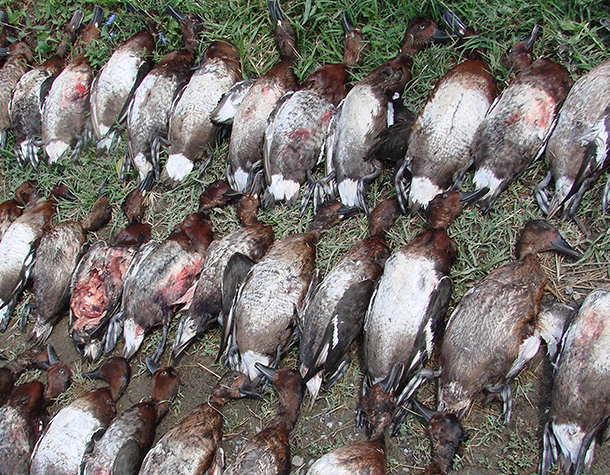
The marshes of Albania were once a vital feeding ground for migrating birds traveling between North Africa and Europe along the Adriatic Flyway. But as writer Phil McKenna tells host Steve Curwood, since the fall of the country’s communist leaders, an onslaught of poaching has left the skies eerily quiet.
Beyond the Headlines
5 min read · 7 min listen
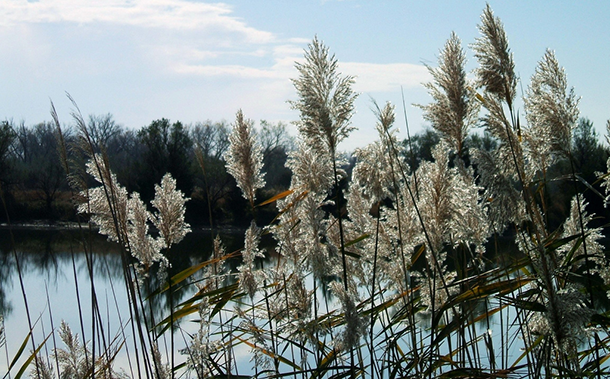
In this week’s trip beyond the headlines, host Steve Curwood and Peter Dykstra discuss a novel way of culling an invasive wetland reed, the cost of China’s disappearing wetlands and Godzilla vs. the Smog Monster.
Declining Oil and Divestment
6 min read · 8 min listen

In parts of the US, gas prices have dropped below three dollars a gallon. Short term, low oil prices can lead to more driving and more pollution, but as reporter Elizabeth Douglass tells host Steve Curwood, the recent drop in the price of crude could signal long-term problems for the fossil fuel industry, and that’s good news for the divestment movement.
Fascinating & Toxic - Traditional Moroccan Tanneries
8 min read · 10 min listen
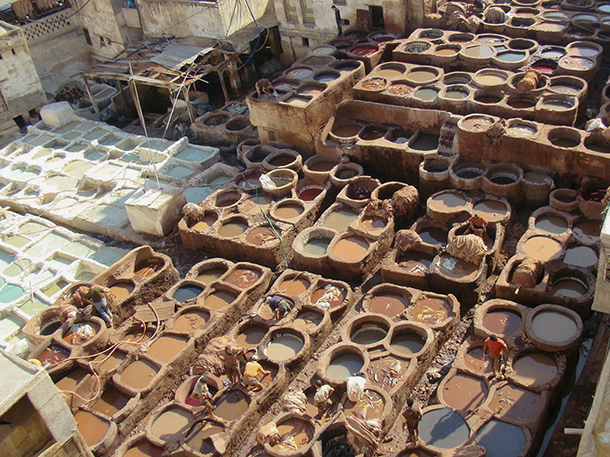
Colorful leather goods are popular tourist souvenirs from traditional tanneries in Morocco. But workers must stand in toxic, chromium laden waters every day there to soften and dye the hides, and prolonged chrome exposure and lax disposal of waste tannery water can cause serious health and environmental problems. But as Amulya Shankar reports from Fez, modern tanning techniques can help mitigate these issues and maintain some of the old-world charm.
Harsher Winters Related to Arctic Sea Ice Loss
8 min read · 11 min listen
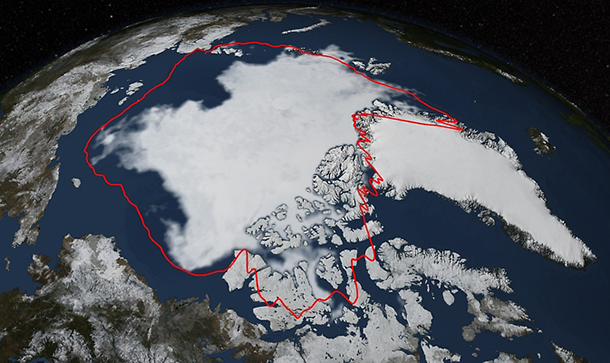
A new study published in Nature Geoscience found that the likelihood of unusually cold winters in parts of Eurasia doubles as the Arctic warms and sea ice declines. Host Steve Curwood discusses the findings with Rutgers University climate researcher Jennifer Francis, who also explains how rising temperatures in the far north are changing world weather.
Lead-Free Ammunition Saves Waterfowl
2 min read · 3 min listen
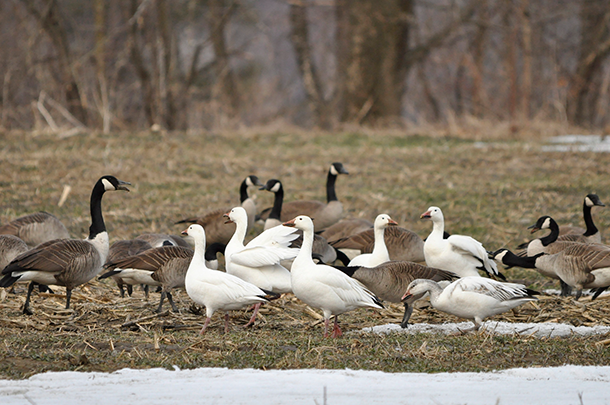
Migrating waterfowl are often hunted in the fall, and the birds often swallow shotgun pellets that miss. But now, as Mary McCann reports, hunters no longer use toxic lead pellets, which helps protect the health of surviving waterfowl and their ecosystem.