
Living on Earth: July 21st, 2017
Air Date: July 21, 2017
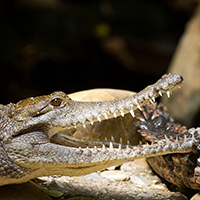
A Living Planet report from the World Wildlife Fund based on 2016 data documents nearly a 60% decline in wildlife populations since the 1970’s and warns that two thirds could be gone by the year 2020. Living On Earth Host Steve Curwood discussed the implications with WWF scientist Colby Loucks.
BirdNote: The Stealthy Shoebill
3 min read · 3 min listen
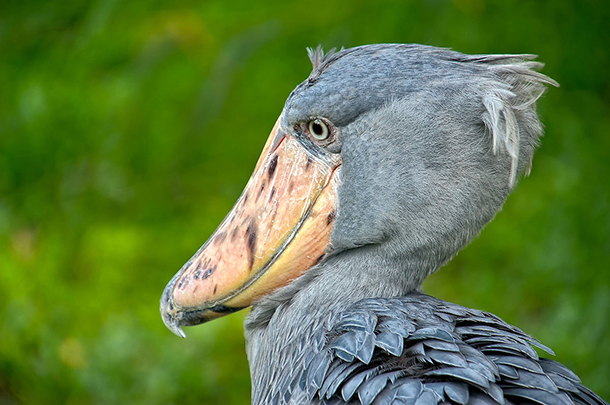
Deep in the swamps of central Africa lives one of the strangest looking of birds; the Shoebill Stork. The name comes from its huge broad sharp beak, and only about 8000 of these large grey-blue birds survive. As Mary McCann explains, it’s actually related to the pelican, rather than storks.
DNA Tech for Rhino Protection
7 min read · 9 min listen
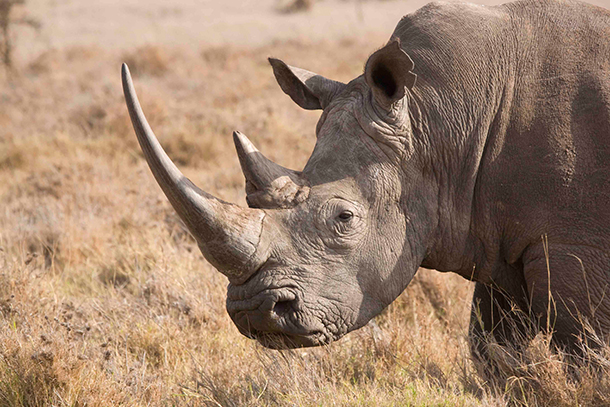
With rhinos on the verge of extinction, conservationists are turning to novel efforts to prevent poaching. Living on Earth’s Bobby Bascomb reports on how a DNA database in South Africa is helping law enforcement agents identify the origins of seized rhino horn in order to deter poaching.
How to Save Most Species: Part 1
5 min read · 6 min listen

Within decades Earth may lose as many as 50% of the species currently living on our planet. To avert ecological disaster, renowned conservationist and Harvard Professor E.O. Wilson has proposed a radical idea in his book Half-Earth: to set aside half of Earth’s land and sea for nature. He believes that this could save 80% of the species and preserve ecosystems. Host Steve Curwood spoke with E.O. Wilson to learn why the 87-year-old ecologist is optimistic about the role of technology to help with this mission.
How to Save Most Species: Part 2
11 min read · 15 min listen
Within decades Earth may lose as many as 50% of the species currently living on our planet. To avert ecological disaster, renowned conservationist and Harvard Professor E.O. Wilson has proposed a radical idea in his book Half-Earth: to set aside half of Earth’s land and sea for nature. He believes that this could save 80% of the species and preserve ecosystems. Host Steve Curwood spoke with E.O. Wilson to learn why the 87-year-old ecologist is optimistic about the role of technology to help with this mission.
Saving East Coast Sea Life
8 min read · 10 min listen
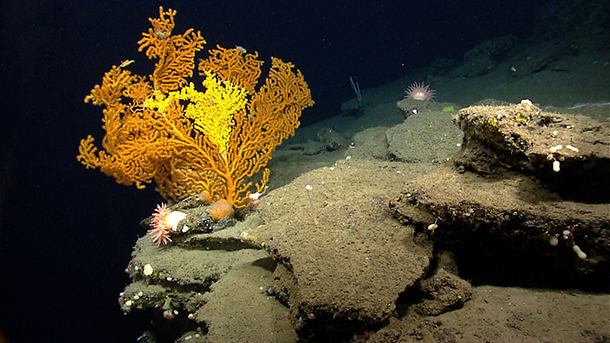
President Obama designated nearly 5000 square miles of canyons and deep ravines in the seas off Massachusetts the first marine national monument in the Atlantic. Speaking with Host Steve Curwood, New England Aquarium Scientist Scott Kraus describes this maritime treasure’s extraordinarily rich biological diversity, from massive corals to single-celled organisms the size of softballs.
Science Note: Rats Against Poachers
2 min read · 2 min listen
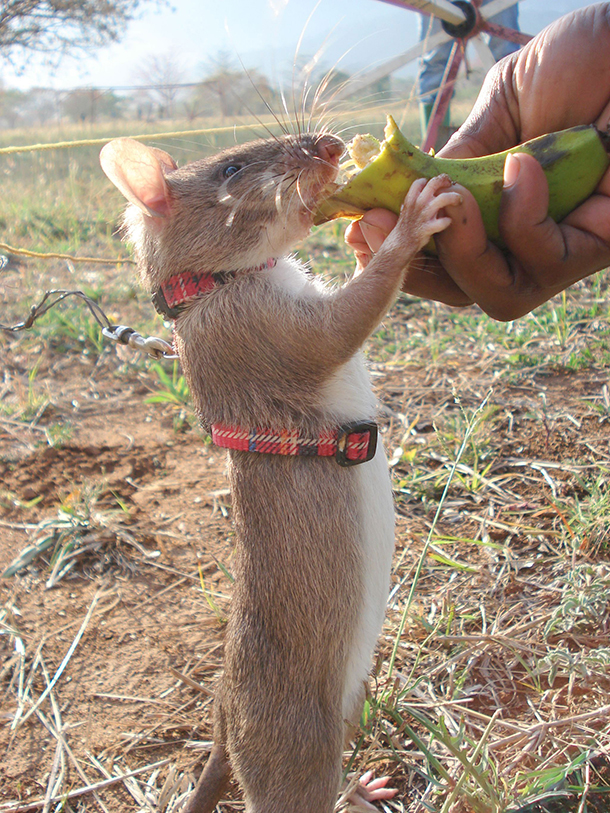
African pouched rats can grow to a yard long, and have a very acute sense of smell. So the US Fish and Wildlife Service is devoting research funds to study whether they can sniff out trafficked animal products and timber.
Steep Wildlife Decline
6 min read · 8 min listen
A Living Planet report from the World Wildlife Fund based on 2016 data documents nearly a 60% decline in wildlife populations since the 1970’s and warns that two thirds could be gone by the year 2020. Living On Earth Host Steve Curwood discussed the implications with WWF scientist Colby Loucks.