
Living on Earth: March 30th, 2018
Air Date: March 30, 2018

Billions of dollars in additional funds for scientific research, including renewable energy research, earth systems observations and sea level monitoring were tucked inside the $1.3 trillion omnibus spending measure passed March 23, won by a center-right Republican and center-left Democratic coalition that also defeated efforts to gut funding for the EPA. And most of some 80 anti-environmental riders were dropped before the final vote. But as Washington Reporter Marianne Lavelle of InsideClimate News tells host Steve Curwood, the Trump Administration is still pushing for environmental rollbacks and environmental advocates are staying vigilant.
Beyond The Headlines
4 min read · 6 min listen
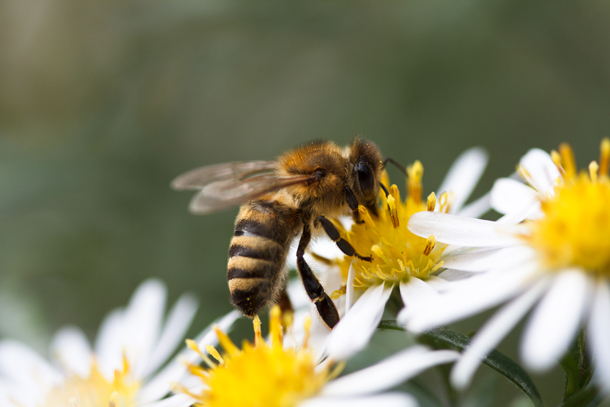
This week, Peter Dykstra and host Steve Curwood go beyond the headlines for news of bees, trees, and more trees. They discuss how bees seem to combat a damaging pesticide, the importance of coastal ecosystems in carbon sequestration and a Clinton-era Forest plan that nearly everyone grumbled about.
BirdNote®: Australia’s Rainforest Birds
2 min read · 3 min listen

Northeastern Australia’s rainforests are home to a number of some intriguing species, as Mary McCann describes in today’s BirdNote®.
Coal Plants Damage Infant DNA
7 min read · 10 min listen

Coal plant emissions can damage health in many ways and new research suggests that they can have direct impacts on genetic fitness. The study from Columbia University found notable differences in the DNA of neonatal babies born before and after a coal plant in China was shut down. Host Steve Curwood spoke with co-authors Dr. Frederica Perera and Dr. Deliang Tang about coal pollution’s effects on long-term physical and cognitive health outcomes.
Losing Life on Earth
10 min read · 13 min listen

A sharp decline in biodiversity is affecting every region of the world, the United Nations reports. A three-year study finds that land degradation is leading to a loss of ecosystem services with profound implications for humanity, putting billions of people at risk of going without adequate food, water, and energy. Host Steve Curwood talks with Sir Robert Watson, chair of the Intergovernmental Science-Policy Platform on Biodiversity and Ecosystem Services, about the report’s scope and possible solutions.
Nature and the Beat
6 min read · 7 min listen

From the chirp of a Katydid to the screech of a parrot, the sounds of nature are all around us and now can be used to help humans make music. Living on Earth’s Bobby Bascomb reports on Beast Box, a website that allows users to create their own unique songs using catchy beats and animal calls as the instruments.
Note on Emerging Science: Fear Itself
2 min read · 3 min listen
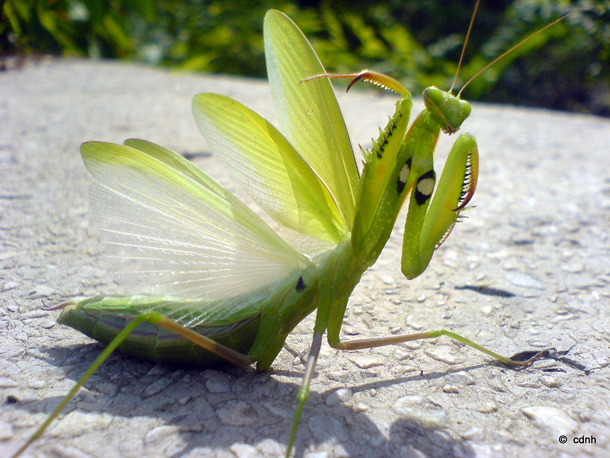
The mere whiff of a praying mantis can be enough to scare fruit flies away from food and sex. As Noble Ingram reports in this week’s Note on Emerging Science, the biological drive to give into fear can be just as disastrous as a genuine threat.
US Gov’t Spending Goes Green
9 min read · 12 min listen

Billions of dollars in additional funds for scientific research, including renewable energy research, earth systems observations and sea level monitoring were tucked inside the $1.3 trillion omnibus spending measure passed March 23, won by a center-right Republican and center-left Democratic coalition that also defeated efforts to gut funding for the EPA. And most of some 80 anti-environmental riders were dropped before the final vote. But as Washington Reporter Marianne Lavelle of InsideClimate News tells host Steve Curwood, the Trump Administration is still pushing for environmental rollbacks and environmental advocates are staying vigilant.