Living on Earth: May 25th, 2018
Air Date: May 25, 2018
Temperatures in the polar regions are rising faster than in the rest of the world, and in Alaska the warming is melting permafrost and bringing stronger storms and rising seas that are eroding coastlines. But Alaska faces a dilemma. Ninety percent of state revenues come from fossil fuel yet burning oil and gas adds to global warming. What’s to be done? Lt. Governor Byron Mallott chairs the Climate Action for Alaska Leadership team that is seeking solutions. He spoke with host Steve Curwood.
Alaska Acts on Climate
7 min read · 9 min listen
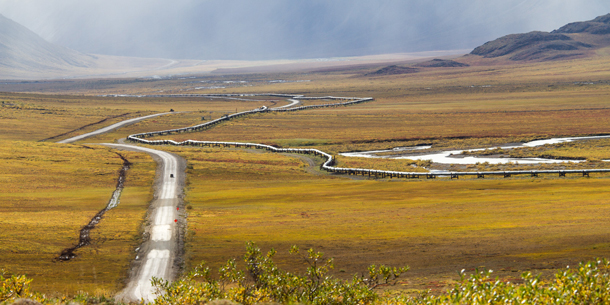
Temperatures in the polar regions are rising faster than in the rest of the world, and in Alaska the warming is melting permafrost and bringing stronger storms and rising seas that are eroding coastlines. But Alaska faces a dilemma. Ninety percent of state revenues come from fossil fuel yet burning oil and gas adds to global warming. What’s to be done? Lt. Governor Byron Mallott chairs the Climate Action for Alaska Leadership team that is seeking solutions. He spoke with host Steve Curwood.
Beyond the Headlines
5 min read · 6 min listen
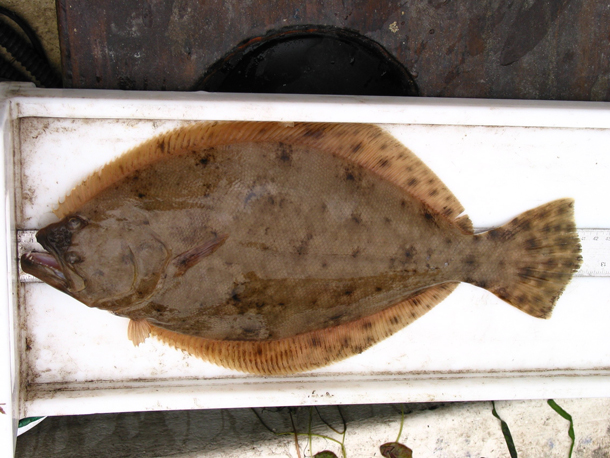
This week’s trip with Peter Dykstra beyond the headlines leads to the coast of New Jersey where North Carolina fishermen seem to be moving with their catch as fish species head for cooler waters. Then, Peter tells host Steve Curwood about a stalled solar farm in Kentucky and the coal operation linked to the delay. Finally, the pair note the arrival of invasive zebra mussels in the Great Lakes and the retirement of an environmental news legend.
Copperheads at Shawangunk
3 min read · 4 min listen
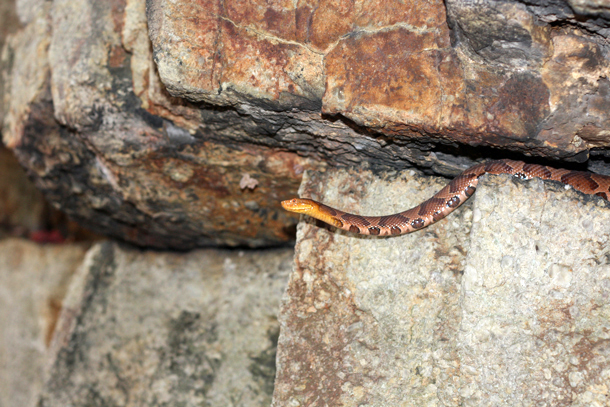
The steep blocky edge of Shawangunk Ridge towers like a fortress above a broad plain in southern New York state. The old, eroding rock of “The Gunks” provides plenty of challenges to climbers and also niches to protect small creatures, like copperhead snakes. Living on Earth’s Explorer in Residence Mark Seth Lender observes three copperheads intertwined on a stone ledge, and marvels at their languid retreat into the rock.
Free the Beaches: Desegregating America’s Shoreline
16 min read · 21 min listen
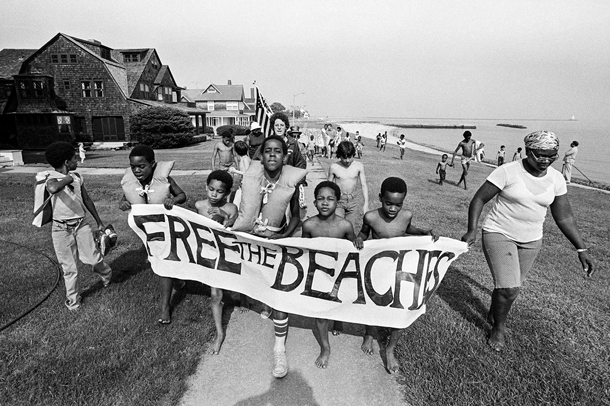
The US civil rights movement to end racial segregation in the 1960’s may have been most intense the South, but there were battles in the North, including in the State of Connecticut. Just about all of the Long Island Sound beaches in Connecticut were off limits to people of color until Ned Coll came along. In his 2018 book Free the Beaches: The Story of Ned Coll and the Battle for America’s Most Exclusive Shoreline, historian Andrew Kahrl describes Coll’s creative protests to smash the color bar and let all children cool off on hot days at the beach. He spoke with host Steve Curwood.
No Refuge in Wildlife Refuges
7 min read · 9 min listen
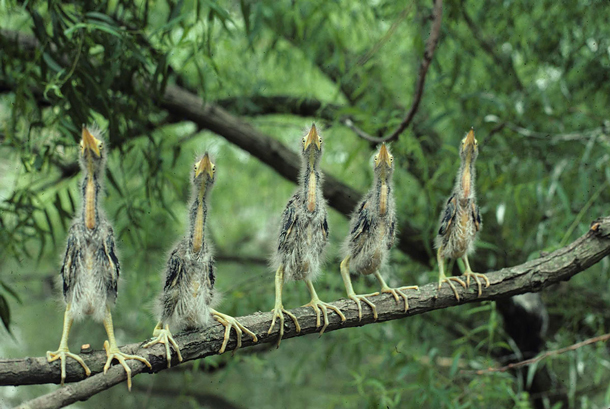
President Teddy Roosevelt established the first National Wildlife Refuge in 1903, inaugurating a system of protected areas to offer a safe haven for native and migrating species. But the Center for Biological Diversity now reports that roughly half a million pounds of chemical pesticides are sprayed yearly inside some of these protected areas to support commercial agriculture. Attorney Hannah Connor authored the report, No Refuge, and spoke with host Steve Curwood.
Taking Climate Offenders to Court
5 min read · 6 min listen
Suing the corporations involved with producing greenhouse gas emissions is a new legal strategy - but will it be a successful one? Vermont Law School Professor Patrick Parenteau talks with host Steve Curwood about environmental litigation and the latest global warming lawsuit against energy companies- Kivalina v. Exxon.
The Most Toxic Town in America
5 min read · 7 min listen
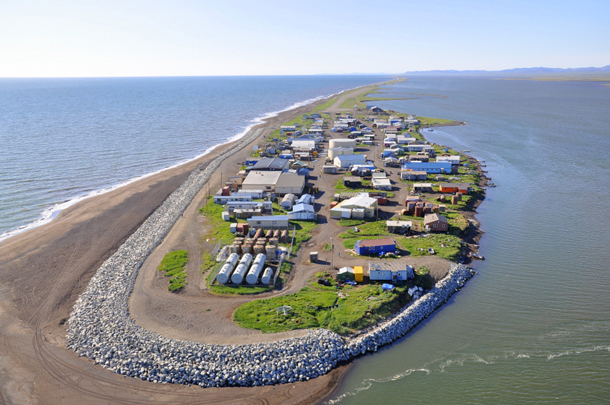
The EPA listed Kotzebue, Alaska in 2017 as the most industrially polluted community in the US. Millions of pounds of poisonous dust laden with heavy metals is released annually from mining zinc and lead at the nearby Red Dog Mine. Host Steve Curwood spoke with Pamela Miller from Alaska Community Action on Toxics about the impact.