
Living on Earth: August 17th, 2018
Air Date: August 17, 2018
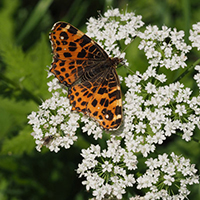
The disappearance of bees and butterflies has concerned scientists and the public for years, but a study from Germany confirms that the abundance of all flying insects has dropped over 75% since 1989. Dave Goulson, Professor of Biology at the University of Sussex in the UK, discusses the probable causes with host Steve Curwood, and says the problem is so serious, loss of insects could lead to an “ecological Armageddon.”
Baby Tern Goes Exploring
3 min read · 3 min listen
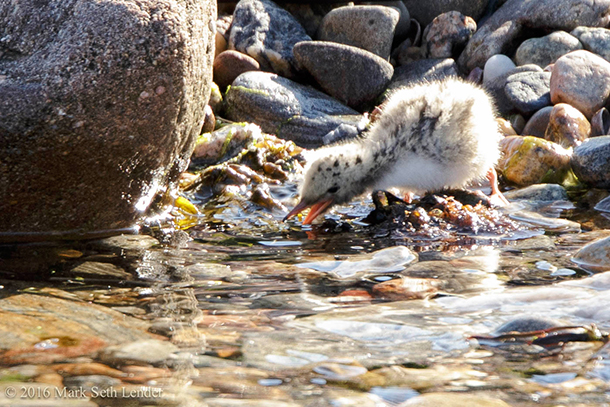
On Falkner Island off the coast of Connecticut, new tern parents can raise their offspring in peace, thanks to the protection of the U.S. Fish and Wildlife Service. But as Living on Earth’s Resident Explorer Mark Seth Lender describes, one adventurous baby tern gives his anxious parents a fright as he sets out to dip his little feet into the ocean.
Emerging Science Note: Brazilian Peppertree
2 min read · 2 min listen
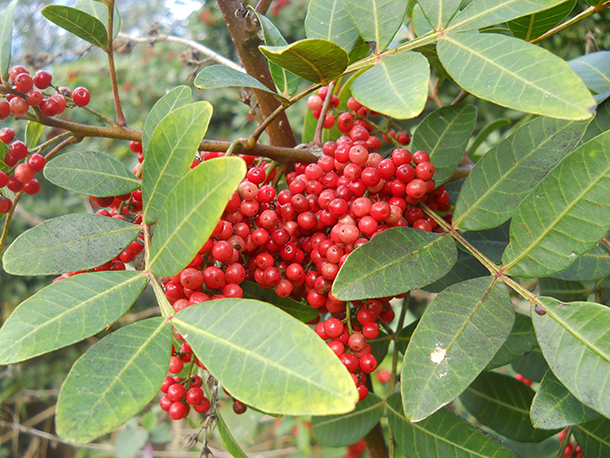
The Brazilian Pepper Tree is considered an invasive nuisance in the American South, but Emory University researchers have isolated a compound from the tree’s berries that appears to fight the superbug MRSA, Methicillin-resistant Staphylococcus aureus. Living on Earth’s Don Lyman reports that the extract seems to suppress the dangerous bacterium’s ability to secrete toxins.
Flying Insects Crash
11 min read · 15 min listen
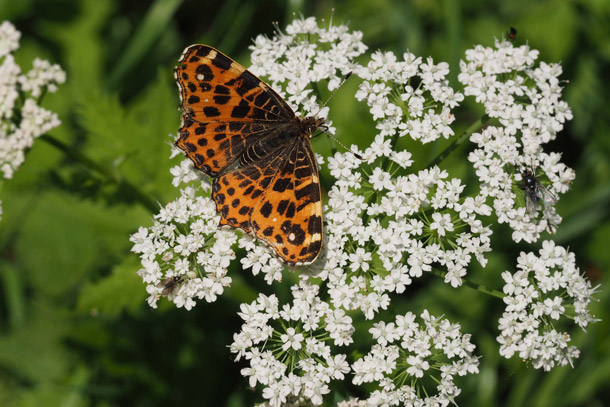
The disappearance of bees and butterflies has concerned scientists and the public for years, but a study from Germany confirms that the abundance of all flying insects has dropped over 75% since 1989. Dave Goulson, Professor of Biology at the University of Sussex in the UK, discusses the probable causes with host Steve Curwood, and says the problem is so serious, loss of insects could lead to an “ecological Armageddon.”
The Early Bird Breeds Fast
5 min read · 6 min listen
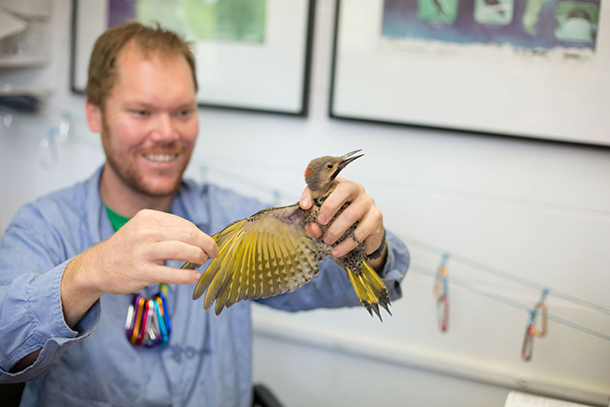
The early bird, they say, catches the worm. But research from the Carnegie Museum of Natural History suggests that for many migrating birds in Western Pennsylvania, the changing climate means that they are arriving and breeding earlier so they don’t miss the insects their nestlings need. And as the Allegheny Front’s Kara Holsopple reports, some birds are adapting well and thriving while others produce fewer chicks.
The Hidden Life of Trees
12 min read · 16 min listen
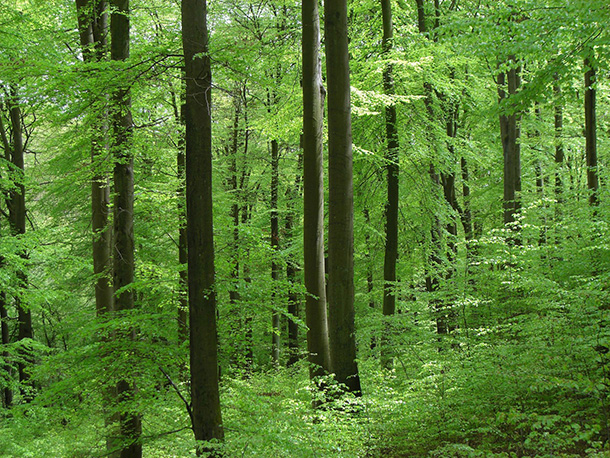
Forests contain much, much more than meets the eye, writes Peter Wohlleben in his groundbreaking book The Hidden Life of Trees. Within the roots of trees are active brain-like processes, and trees are capable of communication and learning. A forester himself, Peter Wohlleben tells host Steve Curwood about the unseen and unsung connections between trees, and how humans can better care for them.
The Place Where You Live: Bear Creek, WI and St. Paul, MN
5 min read · 7 min listen
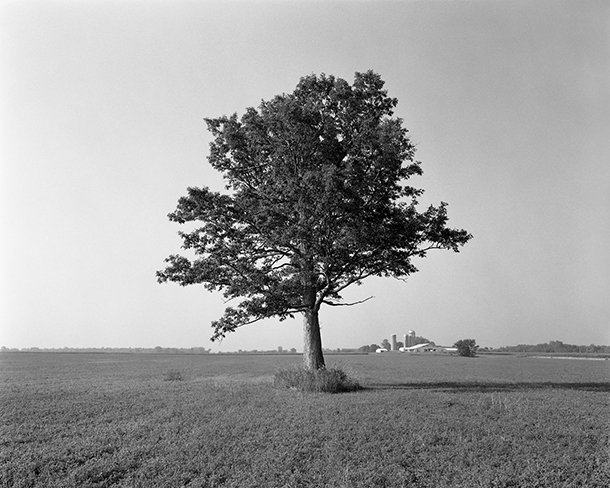
Living on Earth gives a voice to Orion magazine’s longtime feature, The Place Where You live. This week, photographer and landscape architect Regina Flanagan celebrates the special trees that humans have chosen to keep and care for in both town and country. A single white oak in a hayfield on her family’s farm in whose shade they ate lunch inspired her childhood adventures and her photography.
Trees On the Move
6 min read · 8 min listen
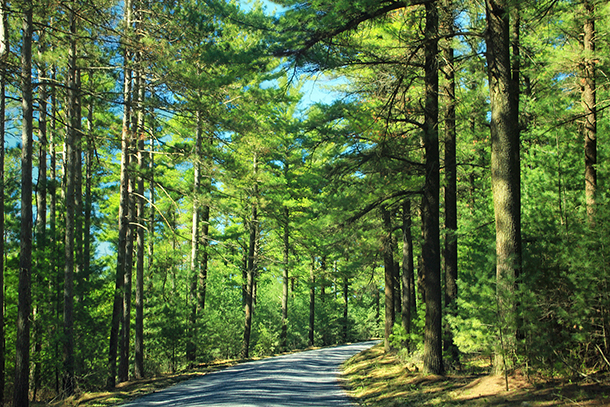
The big old oak in your backyard might be solidly planted in place – but its acorns can travel. And research finds that, as the planet warms, seeds of many tree species in the Eastern U.S. are heading both North and West of their historical species range. Changes in temperature and precipitation are a major cause, Professor Songlin Fei of Purdue University tells host Steve Curwood, and the shifting species ranges could change forest communities considerably.