Living on Earth: March 8th, 2019
Air Date: March 08, 2019
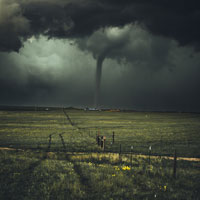
Tornado clusters are becoming more frequent as the planet warms, scientists say. There were about 40 tornadoes on March 3, 2019 in the Southeastern US and the most powerful one tore through Lee County, Alabama and left neighborhoods flattened, 97 people injured and 23 people dead. The other tornadoes that day were less dangerous, but still damaging in some cases. Florida State University Professor James Elsner spoke with host Steve Curwood about how tornado outbreaks are changing in a warming world.
Beyond the Headlines
5 min read · 6 min listen
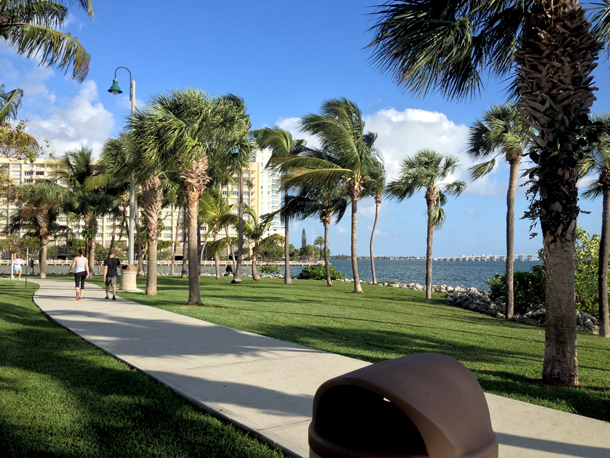
In this week's trip beyond the headlines, Peter Dykstra and host Steve Curwood discuss the City of Miami's decision to ban the use of glyphosate by municipal employees. Then, the two take a look at the lengthy legal saga of Donald Trump's fight against a wind farm in the view shed of his Scottish golf resort in Aberdeenshire. Finally, they recount two massive oil spills -- Exxon-Valdez in 1989, and the Taylor spill, which has been going on since 2004.
Cloning Giant Sequoias
10 min read · 13 min listen
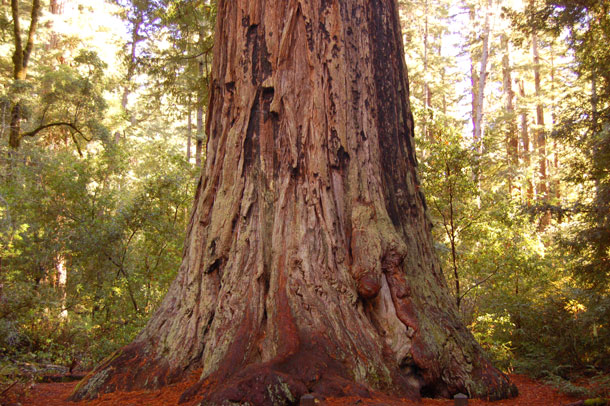
The 3000 year-old Giant Sequoia and Coast Redwood trees of the Pacific Northwest are among the biggest and oldest individual living things on our planet. Sadly, all but a few were cut down for logs decades ago. To help restore these majestic trees which sequester large amounts of carbon, the non-profit organization Archangel Ancient Tree Archive has dedicated its efforts to cloning their DNA. David Milarch, co-founder of Archangel Ancient Tree Archive, tells host Bobby Bascomb why cloning specific trees can help restore a resilient population.
In Search of the Canary Tree
14 min read · 19 min listen
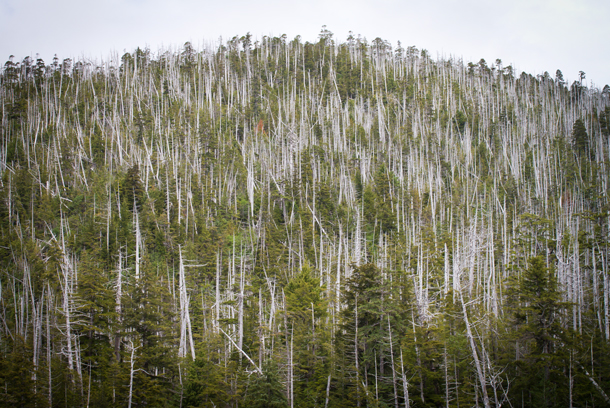
Southeast Alaska’s Nootka cypress also known as the yellow cedar tree, is in trouble. Climate disruption is bringing more erratic weather to the area, and the huge cypresses known as yellow cedar trees are among the first species to suffer. In the book, “In Search of the Canary Tree: The Story of a Scientist, a Cypress, and a Changing World,” author Lauren Oakes describes how Southeast Alaska’s forests and people are responding to the widespread die-offs of the yellow cedar trees. Lauren Oakes joins host Steve Curwood to discuss how resiliency is helping the forest and local human communities adapt to the loss of this culturally and ecologically important species.
Note on Emerging Science: Matchmaking for a Frog Named "Romeo"
2 min read · 2 min listen
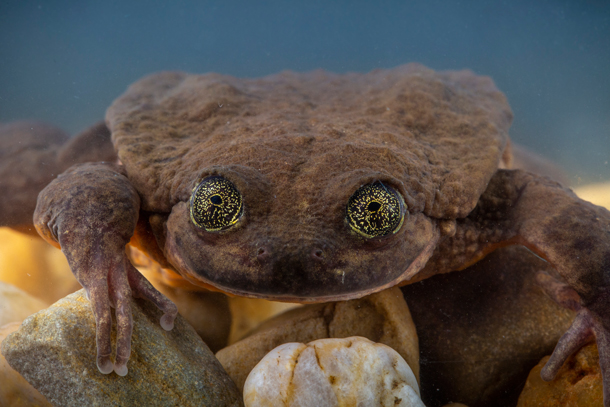
Sehuencas water frogs, like other amphibians, have been devastated by the chytrid fungus, and a frog that scientists named “Romeo” was the last known frog of his kind until scientists discovered a couple of potential mates for Romeo hiding in the Bolivian mountains. As Living on Earth’s Don Lyman reports with this note on emerging science, they hope that these frogs may be immune to the deadly chytrid fungus.
Oceans Losing Oxygen
7 min read · 9 min listen
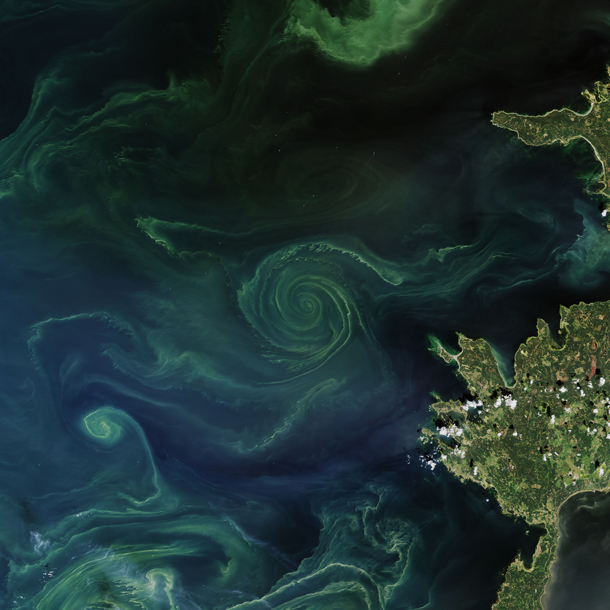
Warmer water holds less oxygen than cool water does, so as the globe and the oceans heat up, they’re losing oxygen. The problem is heightened by pollutants like nitrogen and phosphorus, which contribute to oxygen-starved “dead zones” in the Gulf of Mexico and elsewhere. Denise Breitburg is a senior scientist with the Smithsonian Environmental Research Center and explains to LOE’s Bobby Bascomb what declining ocean oxygen is doing to sea creatures, and what needs to be done to address the crisis.
Tornado Clusters and Climate Disruption
6 min read · 8 min listen
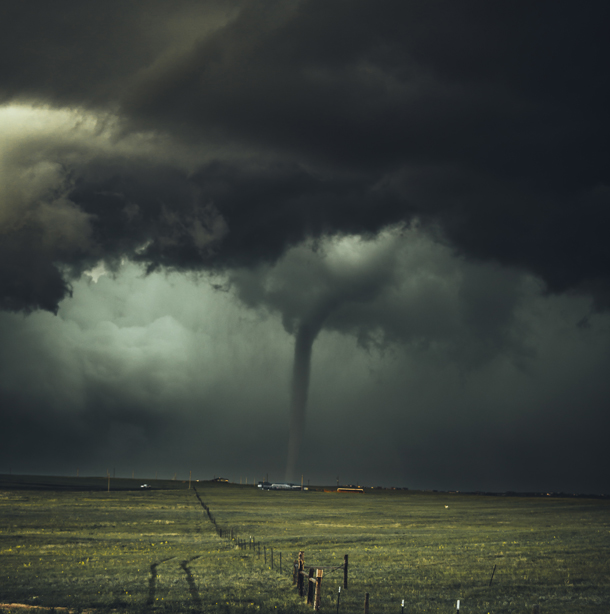
Tornado clusters are becoming more frequent as the planet warms, scientists say. There were about 40 tornadoes on March 3, 2019 in the Southeastern US and the most powerful one tore through Lee County, Alabama and left neighborhoods flattened, 97 people injured and 23 people dead. The other tornadoes that day were less dangerous, but still damaging in some cases. Florida State University Professor James Elsner spoke with host Steve Curwood about how tornado outbreaks are changing in a warming world.