
Living on Earth: July 26th, 2019
Air Date: July 26, 2019
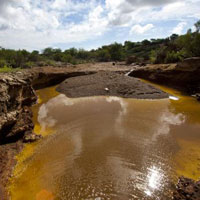
On July 9, 2019, a facility operated by mining company Grupo Mexico spilled thousands of liters of sulfuric acid into the Sea of Cortez. It’s not the first time the company has come under fire for spilling toxic chemicals into the environment: in 2014, 11 million gallons of copper sulfate and heavy minerals spilled from a copper mine it operates in Sonora, contaminating major rivers and creating a local environmental disaster. Kendal Blust, a correspondent for public radio station KJZZ, discusses public outcry over the spill with Host Bobby Bascomb.
Beyond the Headlines
5 min read · 7 min listen

In this week’s trip beyond the headlines, Peter Dykstra joins Host Bobby Bascomb to discuss a eulogy for a glacier in Iceland that was lost due to climate change. Next, they turn to the future, or lack thereof, of plastics recycling in the United States. Finally, with a look into the history vaults, the two examine the history of Japan’s controversial whaling for “scientific research”.
BirdNote®: Do Birds Use Ants as Tools?
3 min read · 4 min listen
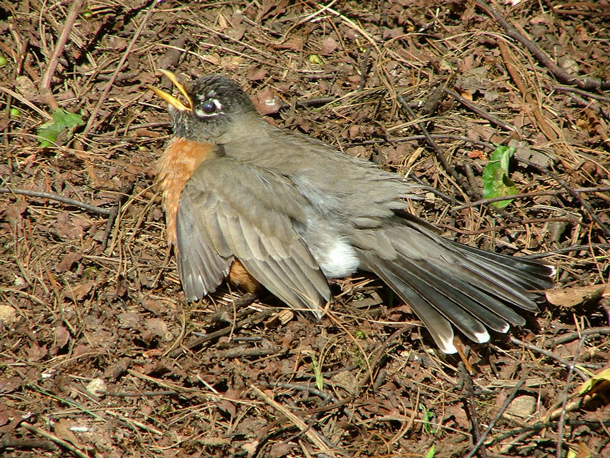
Contrary to what the phrase “bird-brained” would have you believe, some birds are far smarter than you might expect. Take the common American Robin, which has learned to use an unusual tool for personal hygiene. BirdNote®’s Michael Stein has more about the behavior known as “anting”.
Guinea Fowl and Tick Control
8 min read · 10 min listen
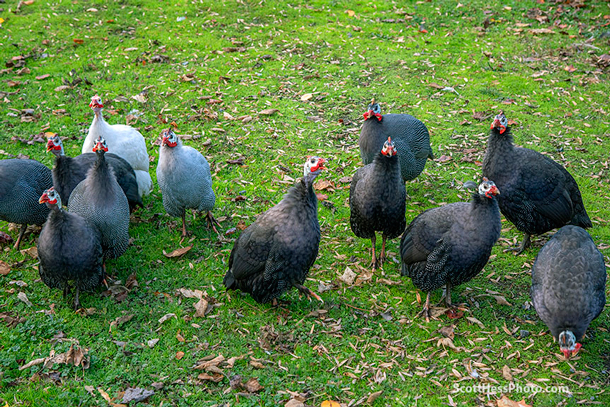
Deer ticks can carry Lyme disease, a debilitating disease if left untreated, and one that’s becoming more common thanks to the warming climate. Now some homeowners in the thick of tick country are turning to guinea fowl to control ticks. Living on Earth’s Jenni Doering reports from Exeter, New Hampshire about one family’s experience with these tick-eating machines.
How to Raise Monarchs
7 min read · 9 min listen
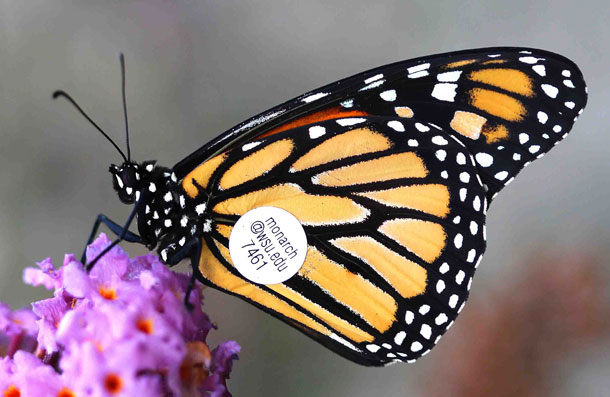
Some people have fond memories of raising monarch caterpillars in their childhood classrooms and homes. But a recent study found that some captive-bred monarch butterflies the US are at a disadvantage when completing their migration to Mexico. Monarch Watch Director Chip Taylor joined Host Bobby Bascomb to share some tips for raising monarchs that won’t be led astray in their migration.
Miners Pollute the Sea of Cortez
7 min read · 9 min listen
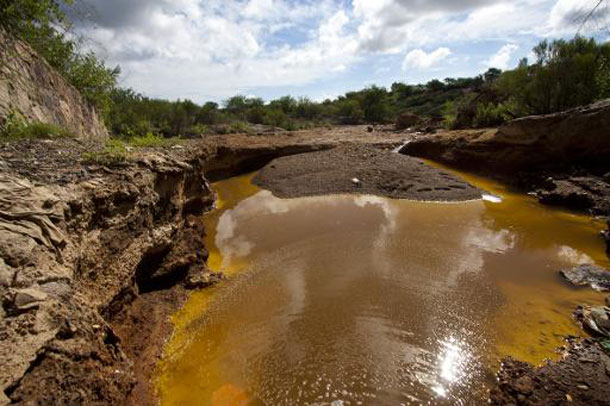
On July 9, 2019, a facility operated by mining company Grupo Mexico spilled thousands of liters of sulfuric acid into the Sea of Cortez. It’s not the first time the company has come under fire for spilling toxic chemicals into the environment: in 2014, 11 million gallons of copper sulfate and heavy minerals spilled from a copper mine it operates in Sonora, contaminating major rivers and creating a local environmental disaster. Kendal Blust, a correspondent for public radio station KJZZ, discusses public outcry over the spill with Host Bobby Bascomb.
Monarch Migration
3 min read · 4 min listen
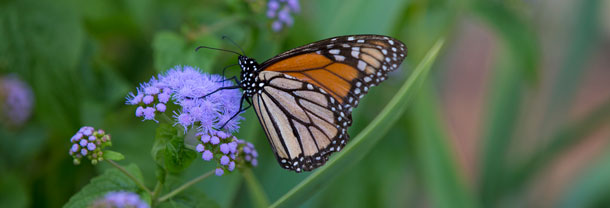
On the last standing mulberry tree at Mulberry Point in Connecticut, monarch butterflies gather for the night. Living on Earth's Explorer in Residence, Mark Seth Lender, reflects on the ephemeral lives of these migrating insects.
Taggers at Work
5 min read · 7 min listen
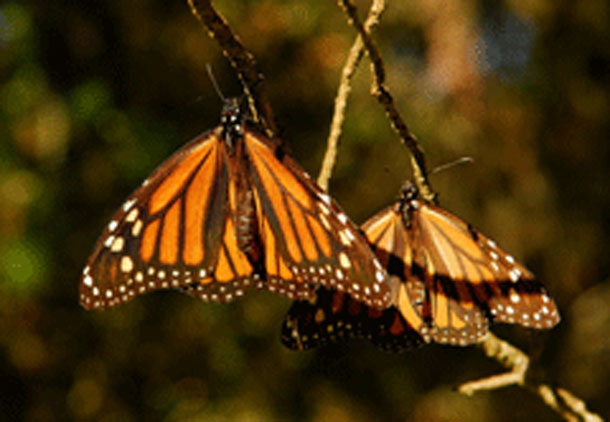
Western monarch butterflies migrate, but biologists don't know exactly where they go when they leave the winter warmth of coastal California. Reporter Rachael McDonald spent a day with biologists who are trying to find out.
The Value of Summer Camp
7 min read · 9 min listen
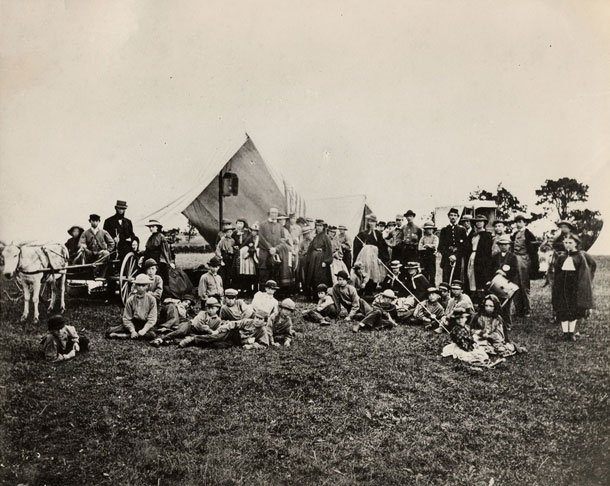
Summer camp for youngsters began in the late 1800s as an escape from urban industrialization. Nowadays traditional summer camps offer a respite from technology and an opportunity to use nature as a classroom. Tom Rosenberg of the American Camp Association talks with Host Bobby Bascomb about the importance of camp in the digital age.