Living on Earth: October 25th, 2019
Air Date: October 25, 2019

Plastic has long been made from oil, but today it’s increasingly made from ethane, a component of natural gas. To turn ethane into the building block of plastic, petrochemical companies are investing in ethane cracker plants. Judith Enck, founder of Beyond Plastics and visiting professor at Bennington College, joined Host Bobby Bascomb to discuss the concerns about what ethane crackers could mean for air pollution and climate change.
Beyond the Headlines
5 min read · 6 min listen

In this week's trip beyond the headlines, Peter Dykstra and Host Bobby Bascomb take a look at the high levels of PFAS chemicals in grease-resistant fast food packaging. Then, the pair discuss the Rocky Mountain Steel Mill, which is pioneering the use of renewable energy in steelmaking. Finally, they look back to “Ozone Man,” President George H.W. Bush's nickname for Al Gore in the last throes of the 1992 election.
BirdNote®: Red-Necked Phalaropes, Spinners On The Sea
2 min read · 3 min listen
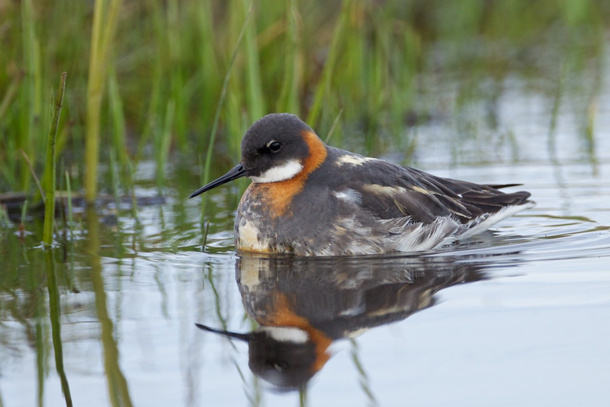
Some birds catch their food on the wing, snatching insects out of the air or plunging for fish in water. Others peck at trees or the ground to find grubs and worms but as BirdNote’s Michael Stein reports, an Arctic bird called the red-necked phalarope has a more unusual way to collect its dinner.
Ethane Crackers Spark Pollution Concerns
8 min read · 10 min listen

Plastic has long been made from oil, but today it’s increasingly made from ethane, a component of natural gas. To turn ethane into the building block of plastic, petrochemical companies are investing in ethane cracker plants. Judith Enck, founder of Beyond Plastics and visiting professor at Bennington College, joined Host Bobby Bascomb to discuss the concerns about what ethane crackers could mean for air pollution and climate change.
‘Largest YouTube Collaboration Ever’ Aims to Plant 20 Million Trees
12 min read · 15 min listen
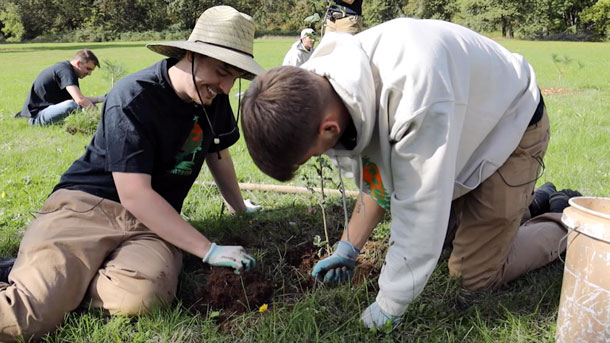
Hundreds of YouTube creators partnered with the Arbor Day Foundation with a goal of planting 20 million trees. YouTuber Destin Sandlin, who runs the science-based channel “Smarter Every Day”, spoke with Host Jenni Doering to explain why these creators launched a movement seeking to rise above the noise of cat videos and memes.
Living Near The Coast Could Boost Mental Health
7 min read · 9 min listen
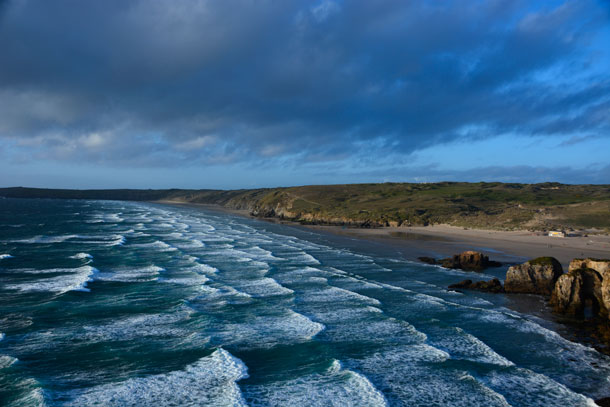
Green spaces are known to provide physical and mental health benefits, and a recent study finds that living near the coast can provide the same benefit, especially for low income families. Joanne Garrett, the lead author in this study and a researcher at the University of Exeter's European Center for Environment and Human Health, joined Host Jenni Doering to talk about how blue space can benefit wellbeing.
Nobel Prize in Chemistry Recognizes Lithium Battery Discoveries
6 min read · 8 min listen
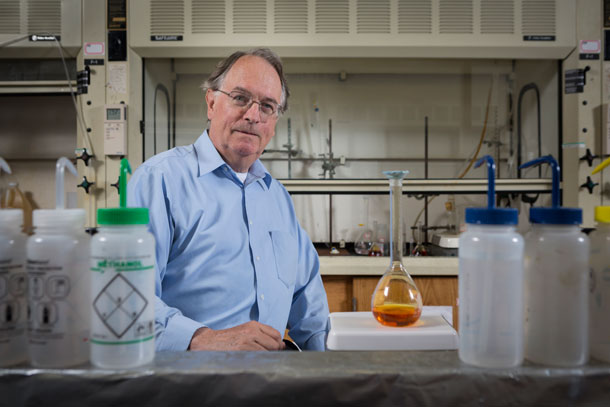
Lithium ion batteries revolutionized much of the technology we rely on today. Smartphones, lifesaving defibrillators, and even some cars wouldn’t exist as we know them today without these batteries. This year, the 2019 Nobel Prize in Chemistry commemorates the work of three scientists who helped develop the lithium ion battery. One of these recipients, Professor M. Stanley Whittingham, joined Host Jenni Doering to talk about his groundbreaking work.
Oyster Shell Recycling
7 min read · 10 min listen
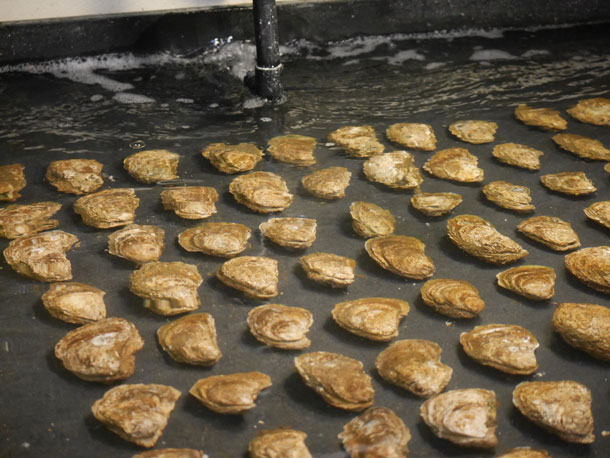
Fertilizer runoff can create massive algae blooms in water that suck up oxygen and creates dead zones for most other forms of life. The Chesapeake Bay is particularly vulnerable but as Kara Holsopple from Allegheny Front reports, restaurants in Pittsburgh are pitching in to help.