Living on Earth: January 31st, 2020
Air Date: January 31, 2020
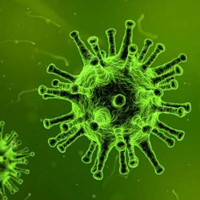
As a novel coronavirus began spreading from Wuhan, China, scientists from across China collaborated to isolate, sequence, and publish the complete genetic code of the virus, just a month after the first documented case. Columbia University Microbiology and Immunology Professor Vincent Racaniello joined Host Bobby Bascomb to discuss how fast genomic sequencing can help stop the spread of the virus and pinpoint its source.
Beyond the Headlines
5 min read · 6 min listen
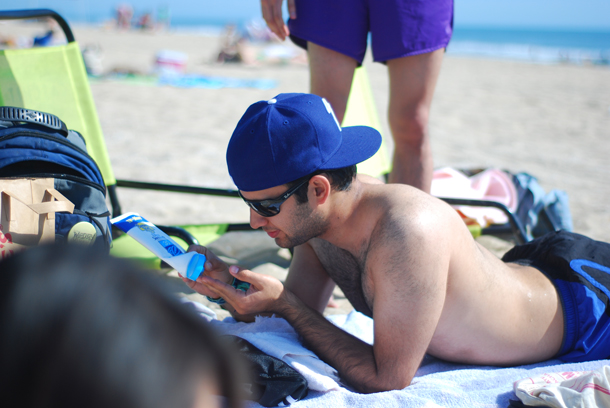
For this week’s trip beyond the headlines, Peter Dykstra and Host Bobby Bascomb take a look at findings that sunscreen ingredients can linger in the human body for days. Then the pair looks to China, which now produces 50% more plastic waste than the U.S. Finally, they celebrate the 35-year anniversary of a major Endangered Species Act success: the delisting of the brown pelican.
BirdNote®: Canada Jays Save Food For Later
2 min read · 3 min listen
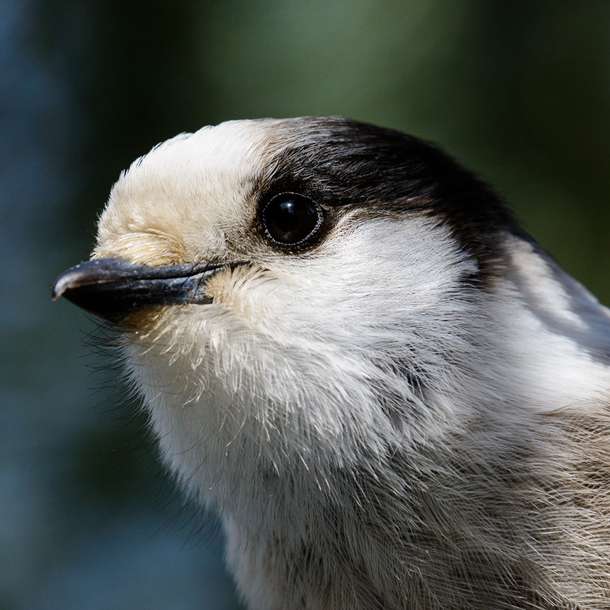
Canada Jays are food storage experts. As BirdNote®’s Mary McCann explains, these prudent birds are so good at caching food, they’re even able to start nesting before the winter ends.
Decoding the Coronavirus
8 min read · 11 min listen
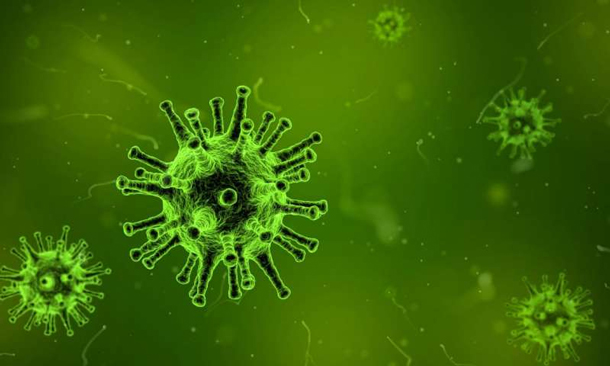
As a novel coronavirus began spreading from Wuhan, China, scientists from across China collaborated to isolate, sequence, and publish the complete genetic code of the virus, just a month after the first documented case. Columbia University Microbiology and Immunology Professor Vincent Racaniello joined Host Bobby Bascomb to discuss how fast genomic sequencing can help stop the spread of the virus and pinpoint its source.
Freshwater Mussels: Hunted for Buttons, Stranded by Dams
5 min read · 7 min listen
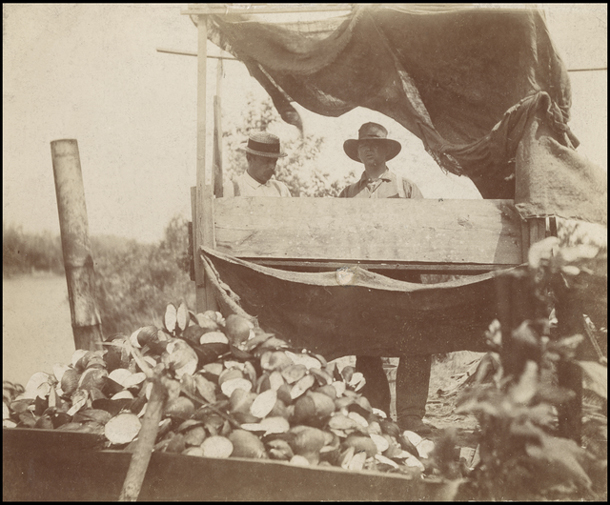
Freshwater mussels are the unsung heroes of river ecosystems, by filtering out bacteria, pollutants and algae. They once were plentiful but in the 1800s they were overharvested for button making and have been severely impacted by dams. Now freshwater mussels are one of the most endangered groups of organisms in the United States. Daniel Ackerman from Minnesota Public Radio reports.
Our Wild Calling
13 min read · 18 min listen
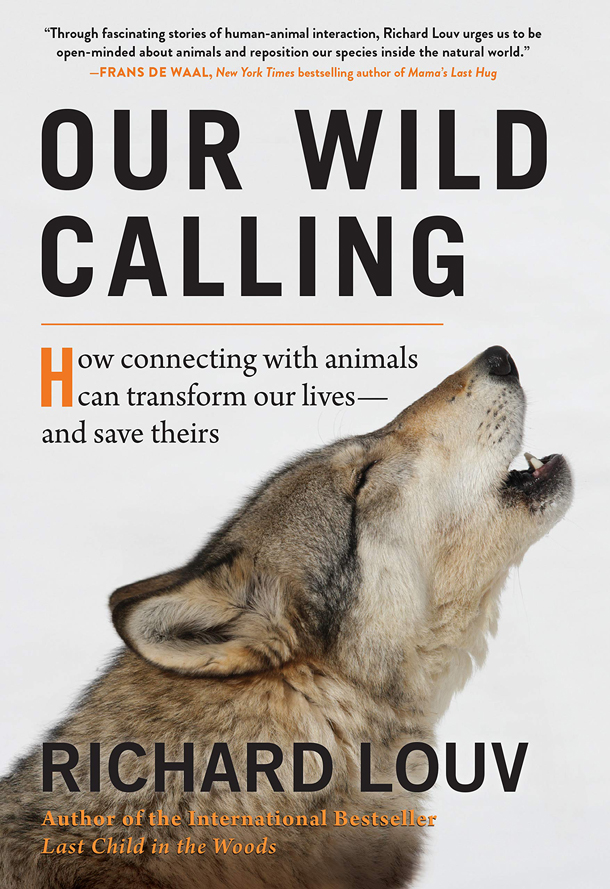
Our modern lives have separated us from other species and contributed to what author Richard Louv calls “species loneliness”. In his book, Our Wild Calling: How Connecting with Animals Can Transform Our Lives – and Save Theirs, Louv shares stories about meaningful interactions between humans and other species and makes the case for their value. Richard Louv joins Living on Earth’s Steve Curwood to discuss how relationships with wildlife can reveal new levels in our humanity.
Trump Water Rule ‘Ignores Science’
10 min read · 13 min listen
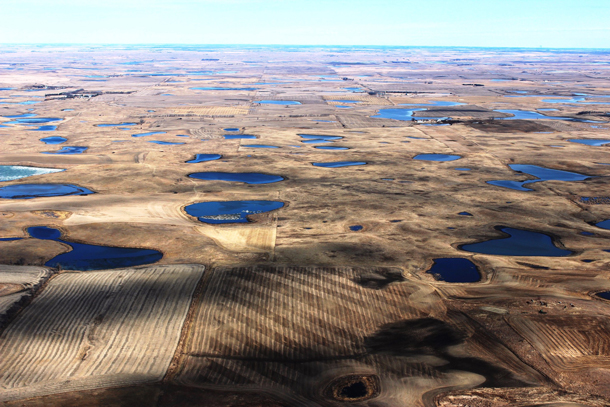
The Trump Administration’s new water rule defines “waters of the United States” in a way that will result in far less protection for our rivers and wetlands. Critics of the new rule, including EPA’s own Science Advisory Board, say it has no grounding in basic watershed science. Kyla Bennett, the Science Policy Advisor for PEER, talks with Host Bobby Bascomb about why she believes this rule is devastating for watershed health.