
Living on Earth: March 27th, 2020
Air Date: March 27, 2020
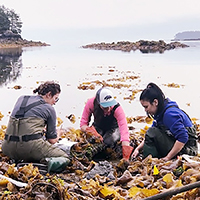
Many coastal native Alaskans rely on harvested shellfish as part of their subsistence lifestyle. But mussels and clams can carry a lethal dose of a toxic chemical called saxitoxin, and as ocean waters warm, the algae that produces that toxin is thriving year-round. Grist reporter Zoya Teirstein joins Host Steve Curwood to explain why the indigenous knowledge that has long protected coastal shellfishing from this threat can’t reckon with climatic changes.
Beyond the Headlines
5 min read · 6 min listen

This week, Environmental Health News Editor Peter Dykstra and Host Steve Curwood discuss the impact of the coronavirus pandemic on Earth Day gatherings for the 50th anniversary of the celebration of our planet. They also talk about ambitious reforestation efforts around the world, and in the history calendar, they look back to Earth Day 1990, when a star-studded cast took part in a primetime 2-hour Earth Day TV special.
BirdNote®: Canada’s Boreal Forests
2 min read · 2 min listen
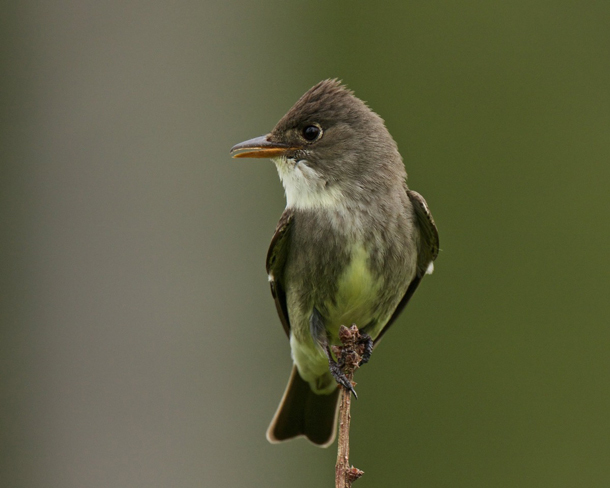
Canada’s vast green boreal forests are home to almost half of North America’s migratory waterfowl and songbirds. As the mining, logging, and fossil fuel industries make increasing inroads, several Dené Indigenous Nations have come to an agreement with the Canadian government to create some of the largest protected areas in Canada’s history. BirdNote®’s Michael Stein has the story.
Major Ocean Currents Drifting Poleward
6 min read · 8 min listen
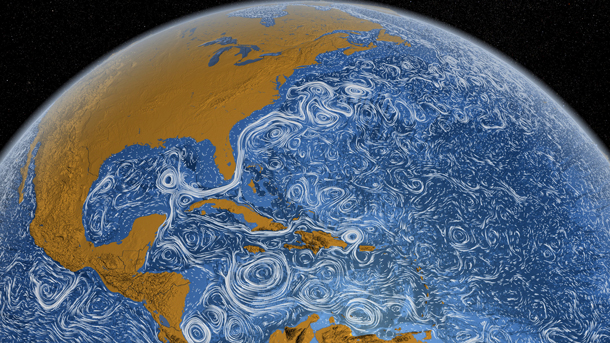
Ocean currents play an essential role in redistributing nutrient-rich waters and heat energy around the globe. New research from the Alfred Wegener Institute finds that global warming is pushing these vital parts of the ocean circulatory system poleward. Amy Bower, a Senior Scientist at the Woods Hole Oceanographic Institution, joins Living on Earth’s Jenni Doering to discuss the impact shifting ocean currents could have on fisheries, climate, and more.
Misfit Produce at Your Doorstep
9 min read · 12 min listen
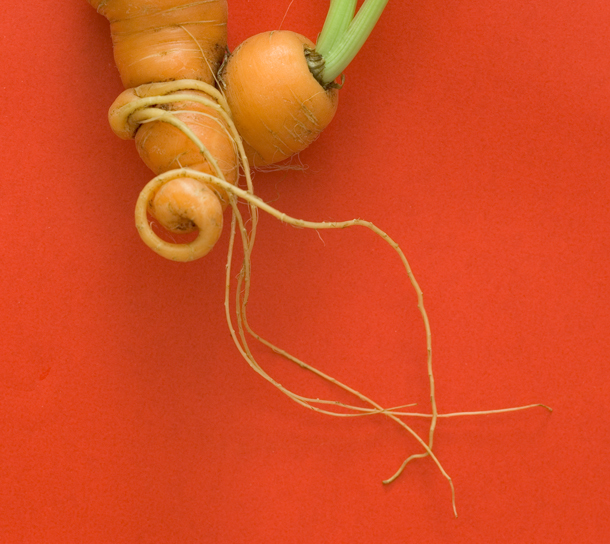
The new paradigm of social distancing and staying at home is whetting consumers’ appetite for grocery delivery. And several companies that will deliver straight to your doorstep aim not only for convenience but for reducing food waste as well, by sourcing produce that isn’t uniform enough for supermarket shelves, but is still perfectly edible. Living on Earth’s Bobby Bascomb talks with Abhi Ramesh, CEO of Misfits Market, about how it works.
The Optimist’s Telescope: Thinking Ahead in a Reckless Age
15 min read · 20 min listen

Making decisions today based on what may be best for tomorrow or even years ahead is far from easy. The current moment is highlighting the perils of not planning ahead for challenges such as pandemics, or climate disruption. Bina Venkataraman, author of The Optimist's Telescope: Thinking Ahead in a Reckless Age, joins Host Steve Curwood to talk about how we can tackle shortsightedness in our personal lives and in society, to plan better for the future.
Warming Oceans And Toxic Shellfish
10 min read · 13 min listen
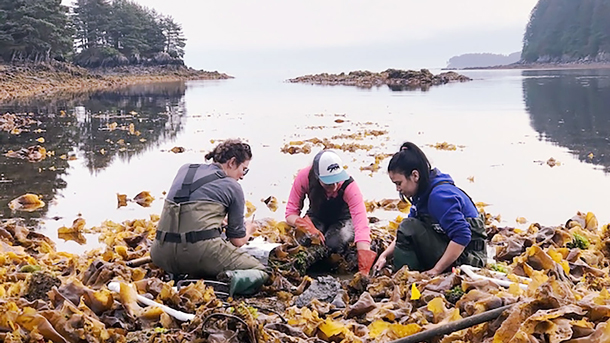
Many coastal native Alaskans rely on harvested shellfish as part of their subsistence lifestyle. But mussels and clams can carry a lethal dose of a toxic chemical called saxitoxin, and as ocean waters warm, the algae that produces that toxin is thriving year-round. Grist reporter Zoya Teirstein joins Host Steve Curwood to explain why the indigenous knowledge that has long protected coastal shellfishing from this threat can’t reckon with climatic changes.