Living on Earth: April 10th, 2020
Air Date: April 10, 2020
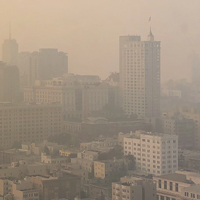
The novel coronavirus is deadlier to people who have years of exposure to high air pollution, emerging research finds. Dr. Aaron Bernstein of Harvard’s Center for Climate, Health and the Global Environment, speaks with Host Steve Curwood about the link between air pollution and severe cases of COVID-19, and also notes people of color are disproportionately exposed to air pollution. Dr Bernstein also discusses the lifesaving health benefits of climate solutions that also clean up polluted air.
A Backyard BioBlitz
5 min read · 6 min listen
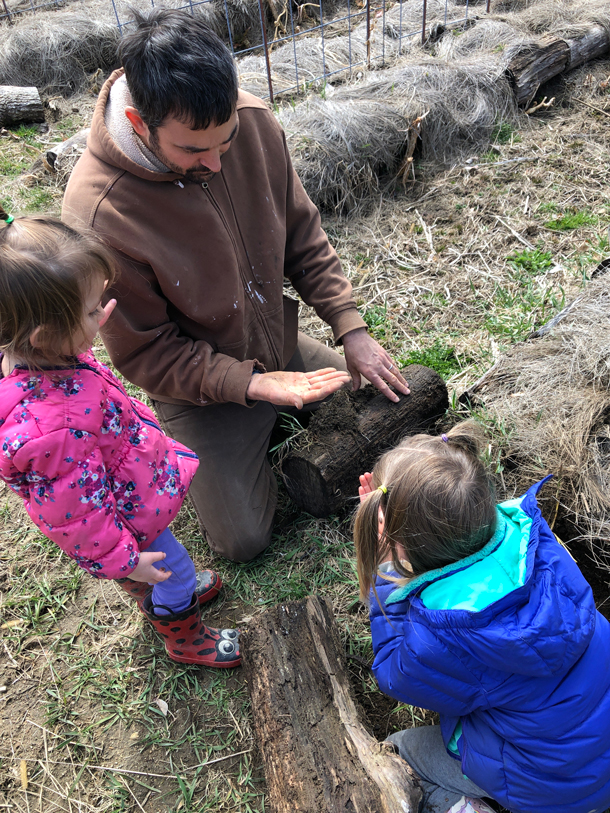
Every year, citizen scientists around the world participate in BioBlitzes: brief, intensive surveys of biological diversity over a set area and time. In 2020, social distancing didn't stop over 300 participants in 27 countries from cataloging observations of the world around them a single 24 hours. Living on Earth's Bobby Bascomb, her husband Mark, and daughters Sage and Luna joined inApril 5 and uncovered a multitude of life in their own backyard.
A Citizen Science BioBlitz
7 min read · 10 min listen
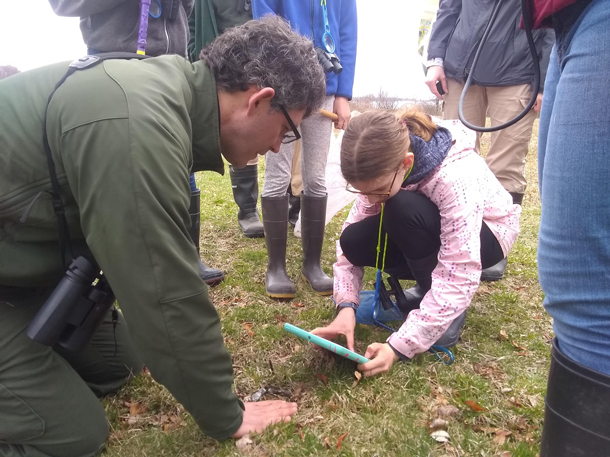
The City Nature Challenge is an international contest known as a bioblitz: a brief, intensive survey of biological diversity over a set area and time. With a handy smartphone app, anyone can participate between April 26 and 29 by cataloguing the nature in their neighborhoods. Living on Earth's Aynsley O'Neill met up with the Boston BioBlitz Initiative for Girls during a trip to Thompson Island in Boston Harbor, where a group of teens practiced their observational skills for the competition.
A Preschool Christmas Bird Count
8 min read · 10 min listen
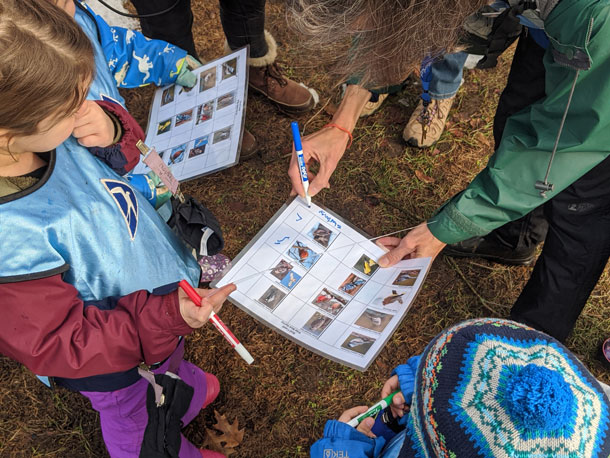
Susan Edwards Richmond’s new children’s book, Bird Count, follows a young citizen scientist as she participates in a Christmas Bird Count, the 120-year-old census of winter birds conducted by teams of volunteers for the Audubon Societies. Living on Earth’s Bobby Bascomb visited the author and the preschoolers she teaches at Massachusetts Audubon's Drumlin Farm for a day of birding, and a discussion on the importance of citizen science. Hijinks, and a whole lot of learning, ensued.
Air Pollution Worsens COVID-19
15 min read · 20 min listen
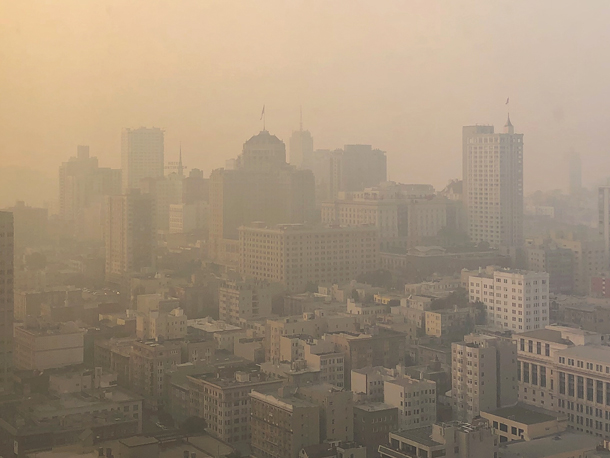
The novel coronavirus is deadlier to people who have years of exposure to high air pollution, emerging research finds. Dr. Aaron Bernstein of Harvard’s Center for Climate, Health and the Global Environment, speaks with Host Steve Curwood about the link between air pollution and severe cases of COVID-19, and also notes people of color are disproportionately exposed to air pollution. Dr Bernstein also discusses the lifesaving health benefits of climate solutions that also clean up polluted air.
Beyond the Headlines
5 min read · 6 min listen

This week Peter Dykstra joins Host Steve Curwood to take a look at a growing ozone hole in the Arctic. Then the two discuss attempts to build a ferrochrome plant in the US-Canada border town of Sault Ste. Marie, which has already been impacted by polluting industries. In the history vaults this week: the 30-year anniversary of Star-Kist’s announcement it would no longer buy and sell tuna that could harm dolphins.
Erosion: Essays of Undoing
15 min read · 20 min listen
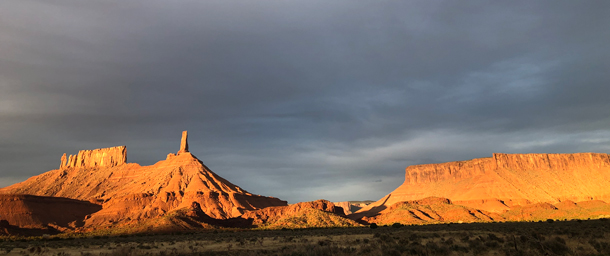
Writer Terry Tempest Williams’ latest book, “Erosion: Essays of Undoing”, grapples with the erosion of democracy, science, compassion, and trust, as her beloved Utah red rock landscape faces oil and gas extraction, and the planet faces destructive warming. At a Good Reads on Earth live event, Williams spoke with Host Steve Curwood about how science and Native knowledge alike can guide us on a more sustainable path, and why erosion also creates an opportunity for evolution towards a better future.
Poetry Month: “One Log Per Visit, Never The Same Log Twice”
2 min read · 3 min listen
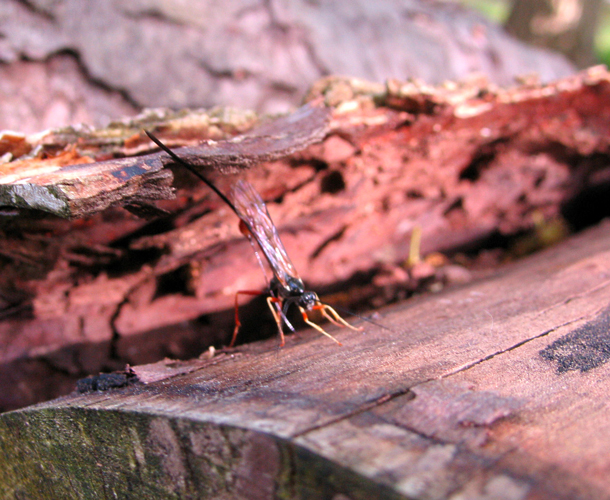
April is National Poetry Month, and poet Susan Edwards Richmond, a preschool teacher at Mass Audubon’s Drumlin Farm Wildlife Sanctuary, shares a poem about her young students’ wonder at the colorful creepy crawlies they find underneath a backyard log.