
Living on Earth: July 3rd, 2020
Air Date: July 03, 2020
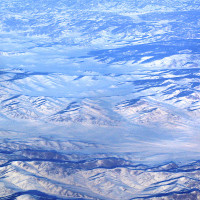
Siberia hit a record-high temperature of 100.4 degrees Fahrenheit on June 20, 2020 in the town of Verkhoyansk, though it is well north of the Arctic Circle. Dr. Susan Natali, Arctic Program Director at Woods Hole Research Center, discusses with Host Bobby Bascomb why the Far North is warming twice as fast as the rest of the planet, and the implications for the rest of the world.
Beyond the Headlines
4 min read · 6 min listen
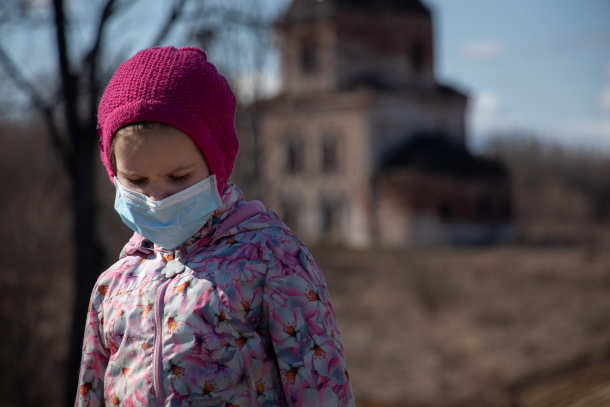
This week, Environmental Health News Editor Peter Dykstra and Host Bobby Bascomb discuss the politicization of the public health practice of wearing masks. Then, the oil and gas industries face major contractions as countries impose travel restrictions to slow the spread of the coronavirus. Finally, Peter and Bobby take a look back at shark, sewage and medical waste scares along the New Jersey coast.
Court Finds EPA Violated Pesticide Safety Procedures
9 min read · 11 min listen

In 2018, the Environmental Protection Agency approved a new, broader use of Dicamba, a powerful herbicide. But a federal appellate court recently found EPA did not adequately consider risks and problems, including costs to farmers who do not use the chemical or who don’t want to buy seeds of genetically modified crops that can tolerate it. Lori Ann Burd, Environmental Health Program Director and a Senior Attorney at the Center for Biological Diversity, joins Host Steve Curwood to talk about the court’s ruling.
Dancing with Bees: A Journey Back to Nature
13 min read · 18 min listen
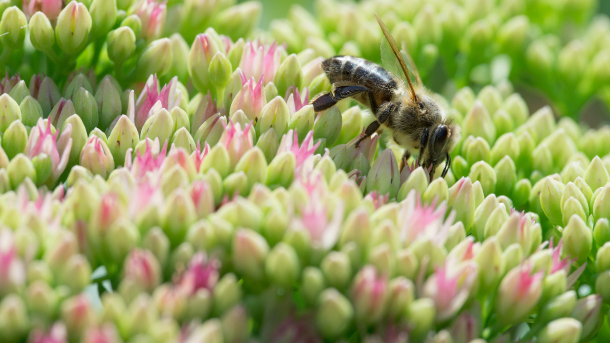
The innate curiosity about and connection to the natural world that many of us experience as children are often lost on the path to adulthood. Brigit Strawbridge Howard, author of Dancing with Bees: a Journey Back to Nature, found her way back to a childlike fascination with nature with the help of some of the world's most important pollinators: honeybees, bumblebees, and oft-overlooked solitary bees. Brigit joins Host Bobby Bascomb to discuss the fascinating habits of solitary bees, how to help diverse bee species thrive in your own backyard, and how best to reconnect with nature.
Engineering a Better Mosquito
10 min read · 13 min listen

A new strain of mosquito has been engineered to self-destruct within a generation. Key West, Florida is considering unleashing these bugs to keep dengue fever at bay. Michael S. Doyle, Executive Director of the Key West Mosquito Control District tells host Bruce Gellerman that the genetically modified mosquitoes could save money and serious discomfort. Luke Alphey, Scientific Officer at Oxitec, the British company behind the bugs, promises limited risks with genetically engineered mosquitoes.
EPA Approves GMO Mosquito Trials
10 min read · 13 min listen
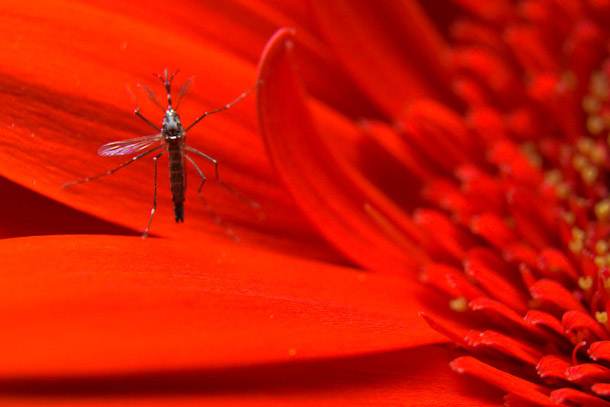
Biotech company Oxitec is developing genetically modified mosquitoes in hopes of reducing local populations of mosquitoes that carry dengue fever, yellow fever, and the zika virus. Now the Environmental Protection Agency has given Oxitec the go-ahead to test the effectiveness of these GMO mosquitoes in parts of Florida and Texas. Dr. Natalie Kofler, founder of the bioethics group Editing Nature, speaks with Host Bobby Bascomb about how the genetic modification is designed to work and why it is generating concerns.
Siberian Heat Wave
10 min read · 13 min listen

Siberia hit a record-high temperature of 100.4 degrees Fahrenheit on June 20, 2020 in the town of Verkhoyansk, though it is well north of the Arctic Circle. Dr. Susan Natali, Arctic Program Director at Woods Hole Research Center, discusses with Host Bobby Bascomb why the Far North is warming twice as fast as the rest of the planet, and the implications for the rest of the world.