
Living on Earth: October 16th, 2020
Air Date: October 16, 2020
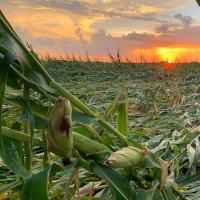
Iowa’s Senate seat is hotly contested in this election, and the Senate race in Kansas appears tighter than it has been in decades. Both states are experiencing increasingly erratic and destructive weather linked to the warming of the planet. Reporter Georgina Gustin has covered the climate rhetoric of the Iowa and Kansas Senate races for InsideClimate News, and joins Host Bobby Bascomb to discuss the divide between these mid-America Democratic and Republican senate candidates on climate change.
Beyond the Headlines
5 min read · 6 min listen
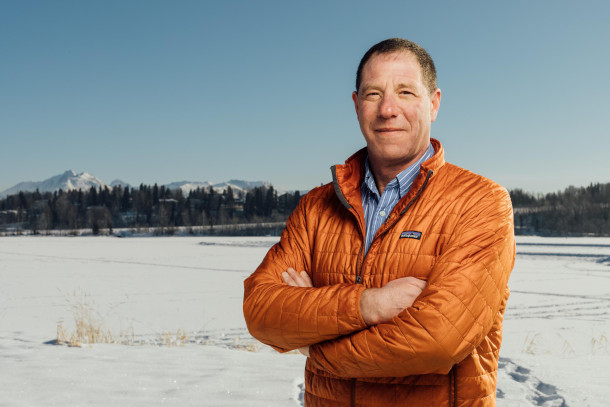
In this week’s edition of Beyond the Headlines, Environmental Health News Editor Peter Dykstra takes Host Steve Curwood behind the scenes of the suddenly competitive Senate race in Alaska, where the GOP incumbent faces pushback over the Pebble Mine with its risk of runoff that could threaten the world’s largest sockeye salmon fishery. Next, the pair put on their bug nets and entomologist hats to review the possible ecological dangers which might accompany the arrival of the giant ‘Murder Hornet’ in Washington State and its danger to honeybees. Finally, in a look back at this week in history, Peter marks the passage of the Toxic Substances Control Act of 1976, or TSCA, which strengthened chemical regulation in the US.
BirdNote®: October Migrants
2 min read · 2 min listen
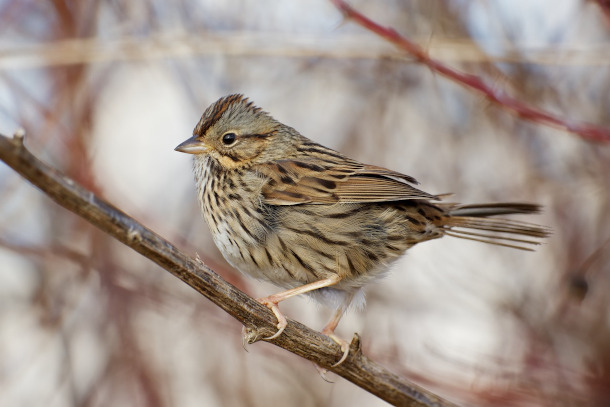
For many birds, October is a month of migration and movement, as birds of all kinds in the Northern Hemisphere make their way south. BirdNote®'s Michael Stein shares some notable species to keep an eye, and ear, out for this month.
California’s Electric Vehicle Future
4 min read · 5 min listen

In the wake of climate-fueled fire disasters, California Governor Gavin Newsom recently signed an executive order to ban the sale of new gas-powered vehicles by the year 2035. Living on Earth's Paloma Beltran reports on how switching to electric vehicles helps put the California economy on a path to full decarbonization by 2045.
China Leads on Climate
11 min read · 14 min listen

At the annual UN General Assembly, President Xi of China pledged that his nation would peak its carbon emissions before 2030 and hit net zero emissions by 2060, without revealing how the nation plans to reach those goals. Joe Aldy, an economist and Professor of Public Policy at Harvard's Kennedy School, joins Host Steve Curwood to discuss what this step by the world’s largest greenhouse gas emitter means for international climate policy in the context of the failed climate leadership by the Trump Administration.
EPA Devalues Science To Downplay Chemical Risk
9 min read · 11 min listen
The latest EPA action to further ignore sound science is its new assessment of the health risks associated with the pesticide chlorpyrifos. Epidemiological studies have found that children exposed to chlorpyrifos in utero suffer brain damage. But as pediatrician and epidemiologist Dr. Philip Landrigan tells Host Bobby Bascomb, the EPA is claiming that data is “inconclusive” because it protects the privacy of study participants.
Note on Emerging Science: Puffins Use Tools
2 min read · 2 min listen

Crows are known to use tools, and now the first time, scientists have documented the use of tools by the puffin, a black and white seabird found in the North Atlantic. Living on Earth’s Don Lyman reports on the finding that puffins use sticks to scratch their beaks and feathers, the first documentation of tool use in seabirds.
Prairie Senate Races Show Climate Divide
6 min read · 8 min listen
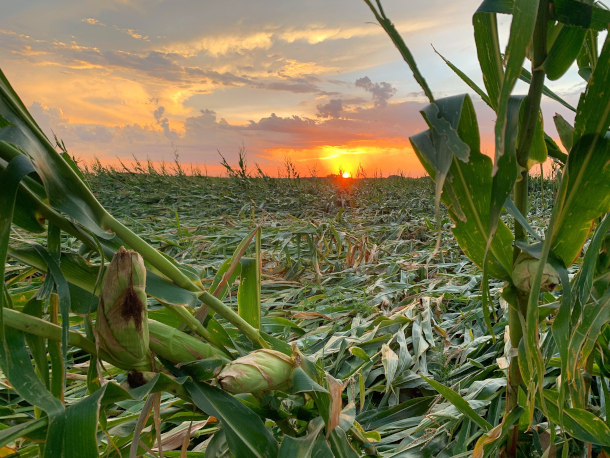
Iowa’s Senate seat is hotly contested in this election, and the Senate race in Kansas appears tighter than it has been in decades. Both states are experiencing increasingly erratic and destructive weather linked to the warming of the planet. Reporter Georgina Gustin has covered the climate rhetoric of the Iowa and Kansas Senate races for InsideClimate News, and joins Host Bobby Bascomb to discuss the divide between these mid-America Democratic and Republican senate candidates on climate change.
Urban Farming During COVID
6 min read · 8 min listen
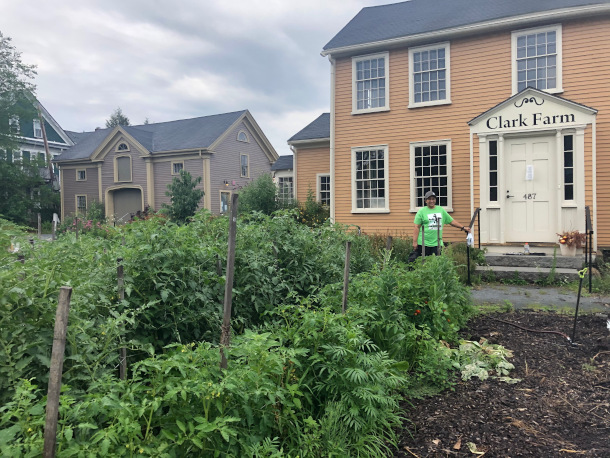
Boston, Massachusetts is home to the United States' oldest, continually-operated Victory Garden, made up of some 500 small plots dating back to World War Two. Today, urban farms throughout the city provide much needed nourishment for the city's residents, but the COVID-19 crisis changed the way these small farms operate. WBUR's Bruce Gellerman reports.