
Living on Earth: February 26th, 2021
Air Date: February 26, 2021
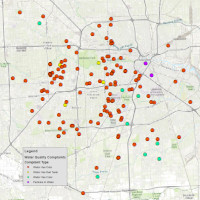
The most frigid days in Texas since 2011 killed dozens as it crippled the state’s power grid , led to acute water shortages and underscored the risks of extreme deregulation. Gretchen Bakke, a cultural anthropologist and author of The Grid: The Fraying Wires Between Americans and Our Energy Future joins Host Steve Curwood to discuss the recent catastrophic outages in Texas and how America’s electric power system has grown more unstable in recent decades.
A Civilian Climate Corps
11 min read · 15 min listen
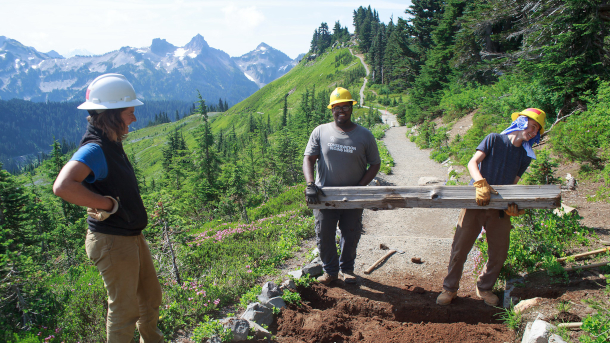
President Biden has directed the federal government to plan a Civilian Climate Corps loosely styled on the New Deal CCC that put millions to work building trails and park facilities during the Great Depression. Washington Governor Jay Inslee joins Host Steve Curwood to share a vision for how a climate corps could aid conservation, combat climate disaster, and help save energy while harnessing the energy of youth volunteers in America.
Beyond the Headlines
4 min read · 5 min listen
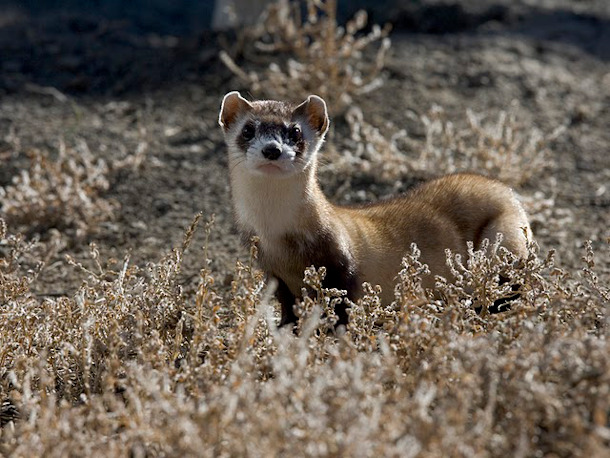
In this week's Beyond the Headlines segment, Environmental Health News Editor Peter Dykstra and Host Steve Curwood discuss the first successful cloning of a US endangered species, the black-footed ferret. Next, they unpack the double-trouble of drilling for oil in the Arctic National Wildlife Refuge (ANWR), and the role of the Porcupine caribou herd to trim vegetation and maintain a bright albedo. Finally, they travel back in history to March 1, 1954, the day that the US detonated a massive hydrogen bomb at Bikini Atoll.
No Power For The People In Texas
14 min read · 19 min listen

The most frigid days in Texas since 2011 killed dozens as it crippled the state’s power grid , led to acute water shortages and underscored the risks of extreme deregulation. Gretchen Bakke, a cultural anthropologist and author of The Grid: The Fraying Wires Between Americans and Our Energy Future joins Host Steve Curwood to discuss the recent catastrophic outages in Texas and how America’s electric power system has grown more unstable in recent decades.
Note on Emerging Science: Wild Bees a Boost to Crops
2 min read · 2 min listen
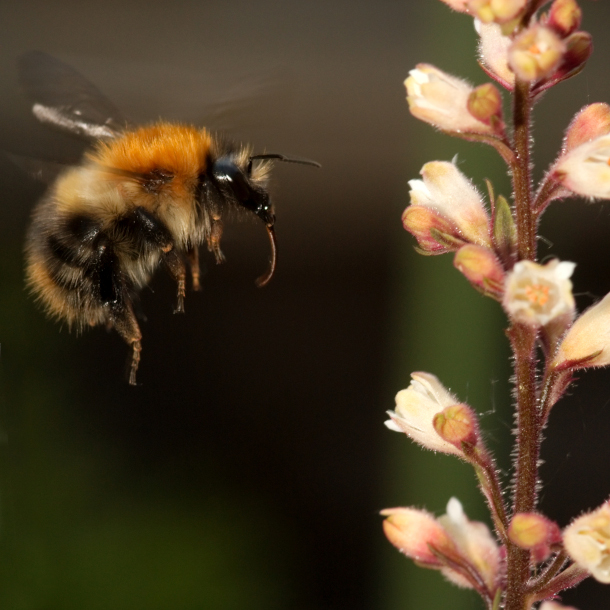
For this week’s note on emerging science, Living on Earth’s Don Lyman discusses a recent study on the importance of native wild bees in agriculture. Native pollinators boosted yields for every crop studied, even on farms that use managed honeybees.
People and the Electric Grid
15 min read · 20 min listen
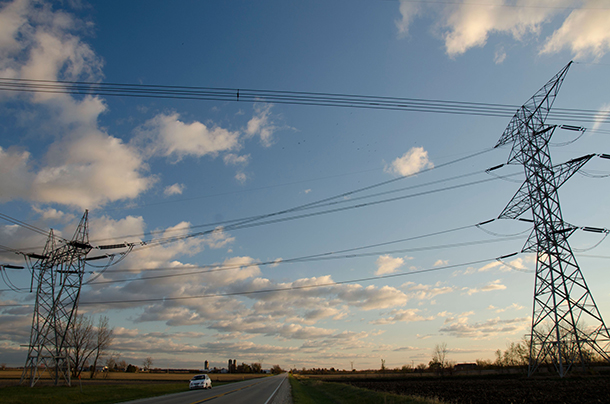
America’s aging electrical grid is caught between competing visions for how it should be reformed to cope with a changing climate, changing energy markets and new energy sources. McGill University anthropology professor Gretchen Bakke — author of “The Grid”— explains to host Steve Curwood how she thinks innovators, companies and ordinary citizens can work together to solve modern energy challenges.
Searching for Life on Mars
14 min read · 19 min listen
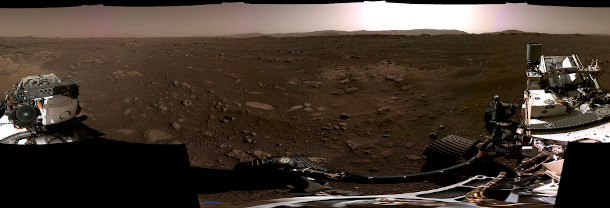
After a spaceflight of over 200 days, NASA’s Perseverance rover has landed safely on Mars. Perseverance is the first part of a three-phase mission designed to find signs of ancient life on the red planet, and return samples to Earth by the 2030s. Sarah Stewart Johnson, a planetary scientist at Georgetown University who has worked on the Opportunity, Spirit, and Curiosity rover missions, joins Host Steve Curwood for an update.
The Sirens of Mars
14 min read · 19 min listen
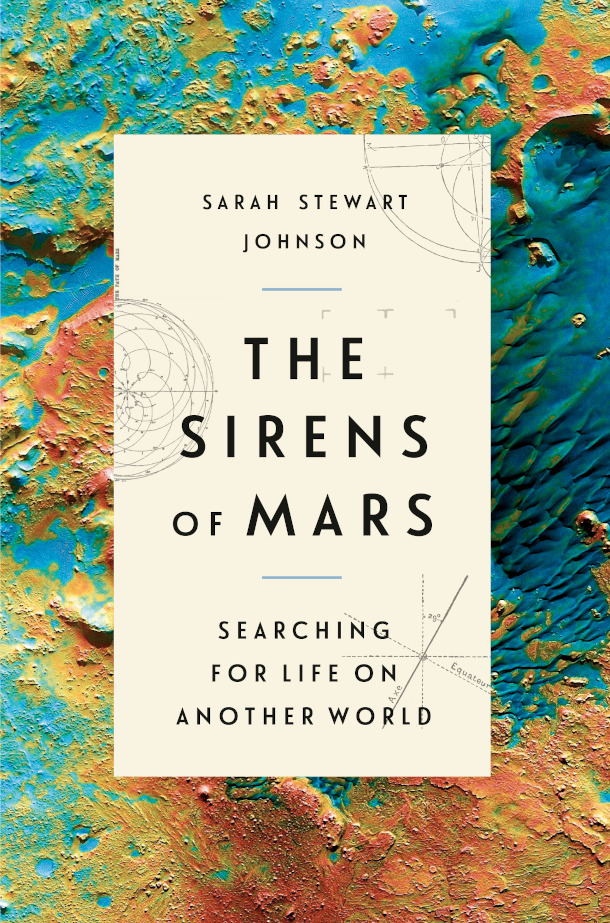
The search for life elsewhere in the Universe is focused now on Mars, our closest planetary neighbor, with the Perseverance mission planned to launch sometime between the end of July and the middle of August. Astrobiologist Sarah Stewart Johnson is a Georgetown associate professor and NASA scientist who has spent her career searching for answers to these questions. Her book Sirens of Mars: Searching for Life on Another World captures the intersection between planetary science and her life's journey, and she joins Host Steve Curwood to explore the big questions that define space exploration and the human species’ fascination with Mars.