
Living on Earth: July 2nd, 2021
Air Date: July 02, 2021
Roughly 1.3 million species have been identified and recorded, but that’s just a fraction of life on our planet. A recent advancement known as DNA barcoding samples small but key parts of genomes to ID species. Paul Hebert, lead scientist at the International Barcode of Life Consortium, explains the process and what it could mean for cataloging biodiversity.
BirdNote®: Insects Are Essential
3 min read · 3 min listen
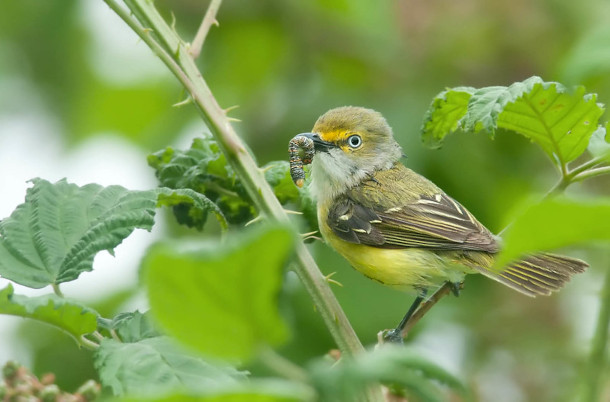
Insects sustain our ecosystems, as a food source and pollinators of 90% of all plants, but their numbers have dropped by half in the last 50 years. However, growing certain plants directly benefits birds and helps insects keep the natural world ticking. BirdNote®'s Mary McCann has the story.
Coyote On The Beach
2 min read · 3 min listen
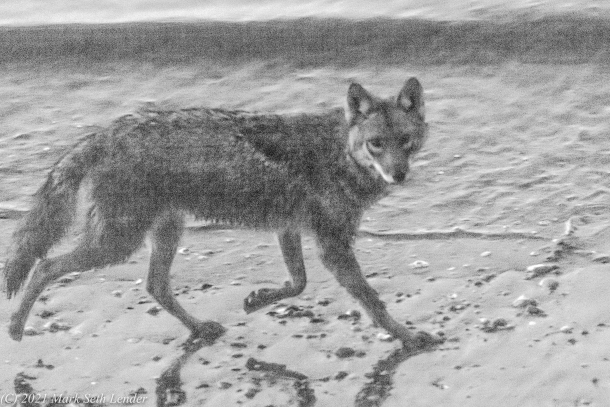
Through a combination of gestures, pitch and volume, herring gulls are able to “speak.” With each variation of visual and linguistic components, these gulls are able to vocalize “phrases,” communicating alarm calls and signals. Take a listen as Living on Earth's Explorer-in-Residence Mark Seth Lender narrates a scene of herring seagulls taking a stand against a coyote.
DNA Barcoding for Quick Species ID
8 min read · 10 min listen
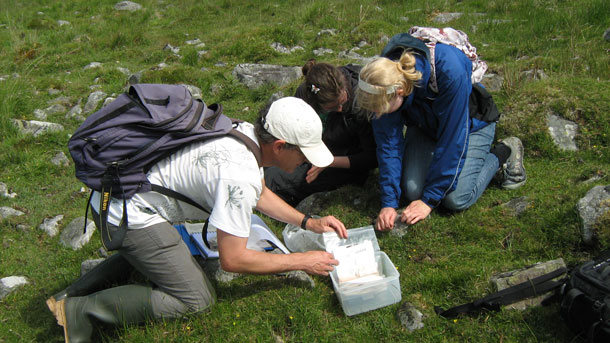
Roughly 1.3 million species have been identified and recorded, but that’s just a fraction of life on our planet. A recent advancement known as DNA barcoding samples small but key parts of genomes to ID species. Paul Hebert, lead scientist at the International Barcode of Life Consortium, explains the process and what it could mean for cataloging biodiversity.
Midtown Coyote
4 min read · 5 min listen
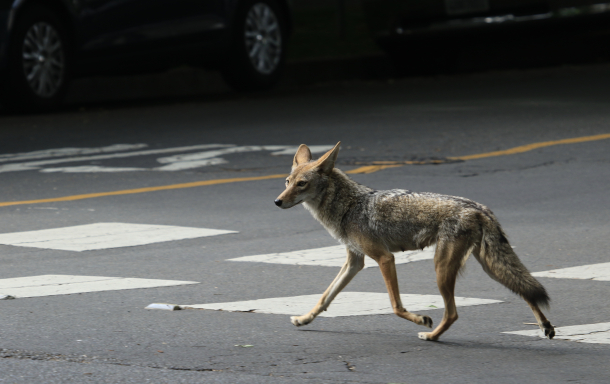
In an era of remote learning and spotty Zoom meetings, we humans still have it easier than many animals trying to raise their young. Writer Jennifer Berry Junghans on how a mother coyote manages to eke out a living in the heart of California’s capitol.
The Butterfly Effect: Insects and the Making of the Modern World
15 min read · 20 min listen
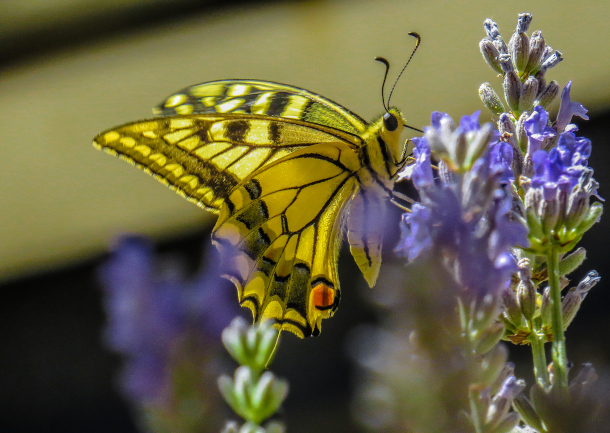
Insects far outnumber us on this planet, and they’ve shaped the course of human history. Edward D. Melillo, the author of The Butterfly Effect: Insects and the Making of the Modern World, joins Host Bobby Bascomb to share stories about the ancient relationship between human society and insects, and the critical need to preserve insect biodiversity for future generations.
The Pear Tree
2 min read · 3 min listen
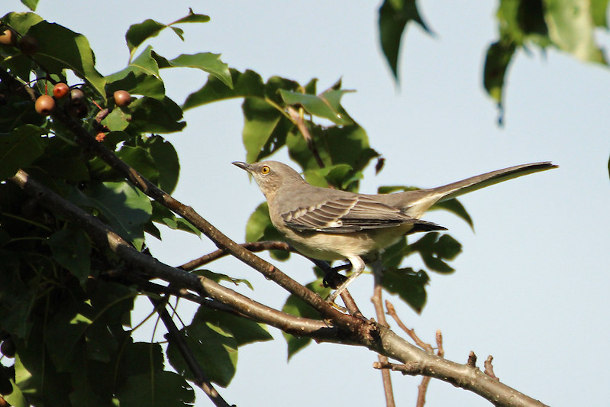
Writer Jennifer Berry reflects on the wonders of a pear tree from her pre-pandemic life. Warblers, mockingbirds, and cedar waxwings are just a few of the creatures that find a feast in an old yet fruitful pear tree.
Ubuntu and Unity for Healing
9 min read · 12 min listen
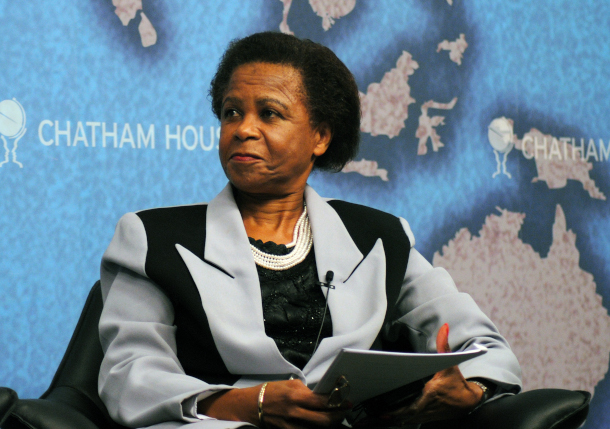
The U.S. is extremely divided in many ways, from politics to race to wealth. But for a model of unity, we might look to the African concept of Ubuntu as a way to heal the many broken relationships in America. South African physician and anti-apartheid activist Mamphela Ramphele speaks with Host Steve Curwood about how Ubuntu can bring communities together and support individuals at the same time.
Wildly Magical: Animal Encounters in the Galapagos
8 min read · 11 min listen
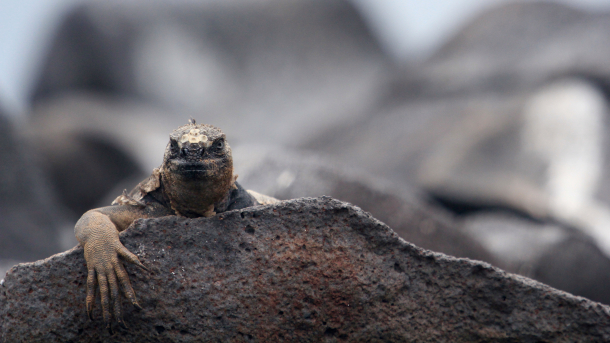
Writer Jennifer Junghans had always dreamed of going to the Galapagos to swim with the marine iguanas. In 2017 she finally had her chance, and although the iguanas stayed high and dry, the experience brought her up close with blue-footed boobies and blacktip sharks, and face-to-face with a curious pufferfish. Jennifer shares her story of visiting “the remote wilderness of her dreams” with Aynsley O’Neill, who spent a memorable summer studying in the Galapagos.