Living on Earth: July 9th, 2021
Air Date: July 09, 2021
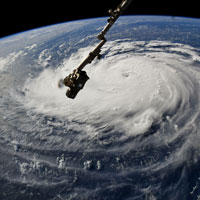
A study published in the journal Science finds that our earth’s oceans are warming 40 percent faster than the IPCC reported in 2013. This means rising sea levels, stronger, wetter and larger storms, and more intense droughts. Kevin Trenberth, Distinguished Senior Scientist with the National Center for Atmospheric Research in Boulder, CO, talks with Living on Earth Host Steve Curwood about these new scientific findings.
BirdNote®: Black-footed Albatross, Graceful Giant
2 min read · 3 min listen
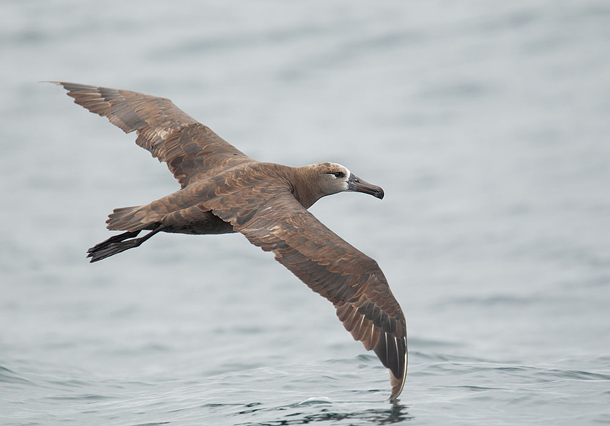
Black-footed albatrosses are some of the most magnificent pelagic creatures off our shores. But as BirdNote®’s Michael Stein points out, though the adults may be glorious and graceful birds, the infants are kind of frumpy.
Mother and Son: Sea Otter Bonding
2 min read · 3 min listen
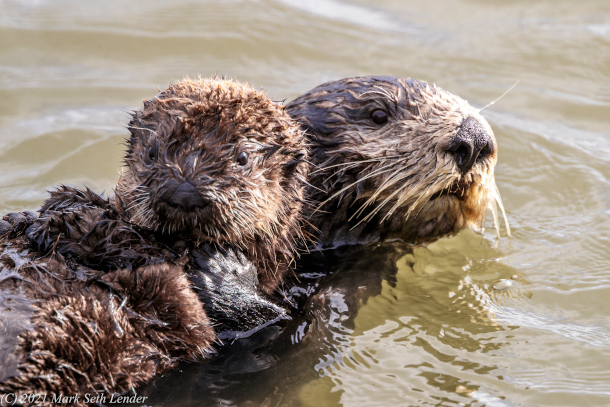
Mother sea otters spend a lot of time grooming their young pups. It’s a bonding experience as well as a matter of survival. Clean and well-groomed fur keeps these sea otters afloat on the coastal waters where they spend their entire lives. Living on Earth’s Explorer-in-Residence Mark Seth Lender narrates a precious scene of an attentive otter mom and her young pup.
Note on Emerging Science: Deep-Sea Vehicle Alvin Reaches New Depths
2 min read · 3 min listen
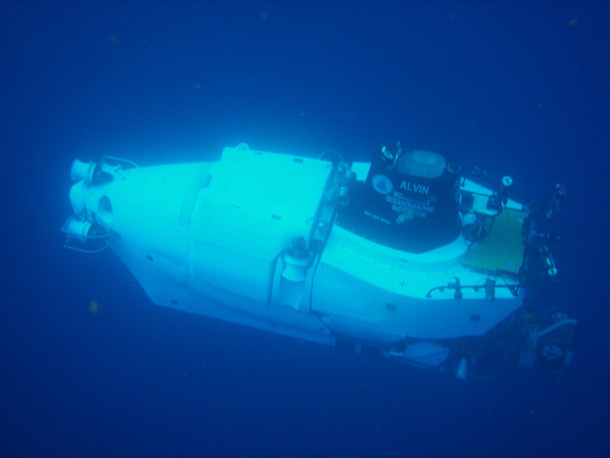
Oceanographers have gathered a lot of evidence on how pollution and climate change impact the world’s oceans. But knowledge of the way these factors come into play in the deep ocean has been limited. Now, upgrades to the deep-sea research submersible Alvin will put 99% of the ocean floor within reach of its crew. Living on Earth’s Casey Troost reports.
Ocean Warming Speeding Up
8 min read · 10 min listen
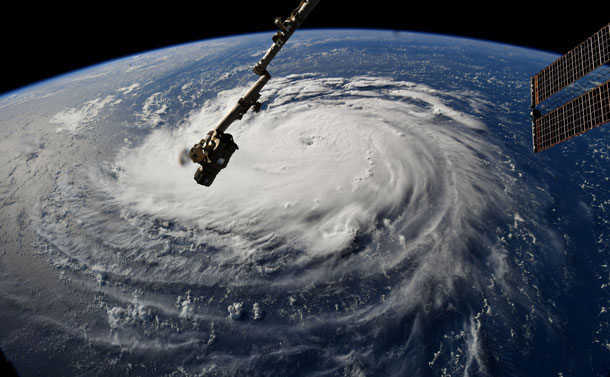
A study published in the journal Science finds that our earth’s oceans are warming 40 percent faster than the IPCC reported in 2013. This means rising sea levels, stronger, wetter and larger storms, and more intense droughts. Kevin Trenberth, Distinguished Senior Scientist with the National Center for Atmospheric Research in Boulder, CO, talks with Living on Earth Host Steve Curwood about these new scientific findings.
Oceans Losing Oxygen
7 min read · 9 min listen
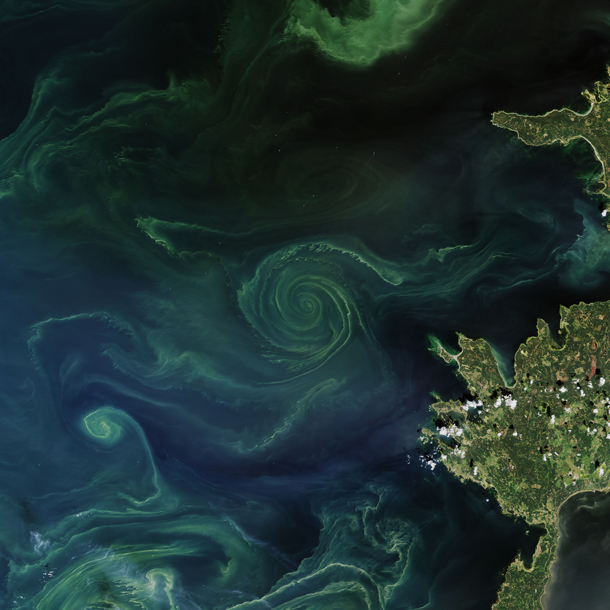
Warmer water holds less oxygen than cool water does, so as the globe and the oceans heat up, they’re losing oxygen. The problem is heightened by pollutants like nitrogen and phosphorus, which contribute to oxygen-starved “dead zones” in the Gulf of Mexico and elsewhere. Denise Breitburg is a senior scientist with the Smithsonian Environmental Research Center and explains to LOE’s Bobby Bascomb what declining ocean oxygen is doing to sea creatures, and what needs to be done to address the crisis.
Oyster Shell Recycling
7 min read · 9 min listen
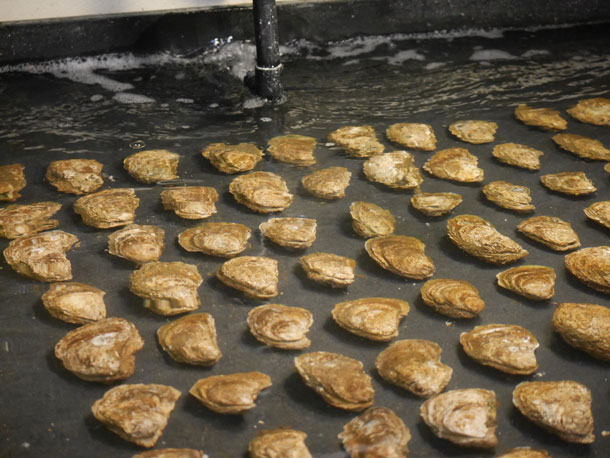
Fertilizer runoff can create massive algae blooms in water that suck up oxygen and creates dead zones for most other forms of life. The Chesapeake Bay is particularly vulnerable but as Kara Holsopple from Allegheny Front reports, restaurants in Pittsburgh are pitching in to help.
Secrets of the Whales
16 min read · 21 min listen
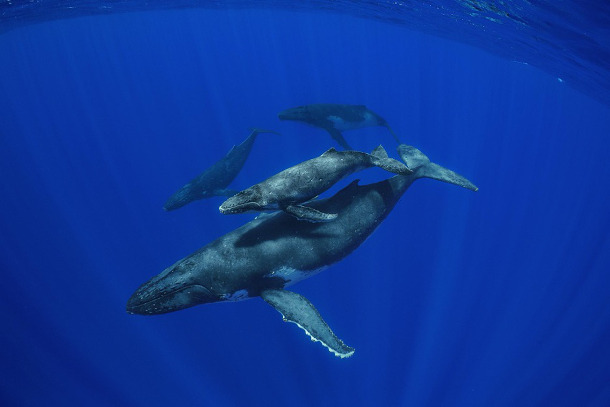
On Earth Day 2021, National Geographic released Secrets of the Whales, a video documentary miniseries that seeks to unravel the secrets of whale behavior and understand whale cultures of orcas, humpbacks, narwhals, belugas, and sperm whales. National Geographic Explorer and wildlife photographer Brian Skerry joins Host Bobby Bascomb to talk about the experience of filming this epic project and the breathtaking complexity of whale societies across the world.