
Living on Earth: August 6th, 2021
Air Date: August 06, 2021

Small particulates from fossil fuels are linked to as many as 300,000 excess deaths in the United States each year. Now, there is mounting evidence that these small, PM 2.5 particulates may also be harming the mental health of children and teens by worsening depression, anxiety, suicidality and more. Brian Bienkowski, the editor of Environmental Health News joins Host Steve Curwood to talk about the correlation.
Climate Change Disrupts Major Transportation Corridor
5 min read · 6 min listen
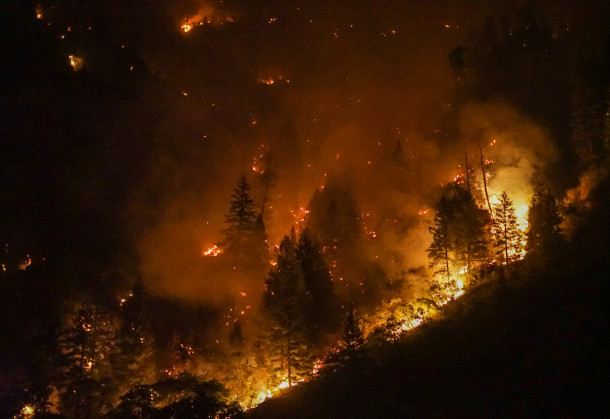
I-70 is a transportation lifeline linking East to West and an engineering marvel as it barrels through the Rocky Mountains. But fires and mudslides along Glenwood Canyon are increasingly forcing I-70 to shut down, creating huge delays. As Colorado Public Radio’s Dan Boyce reports, it’s just one example of the transportation challenges linked to climate disruption.
Colorado River's Dwindling Water Supply
10 min read · 13 min listen
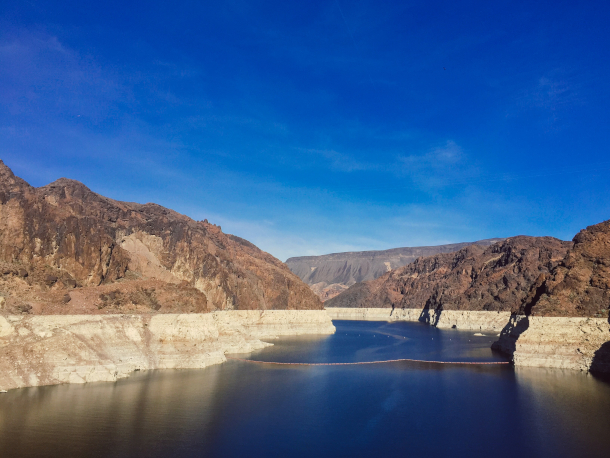
The Colorado River that carved the Grand Canyon and now quenches the thirst of much of the American West is parched in a “megadrought.” Two key reservoirs are expected to drop to record low levels this year and trigger a formal water shortage declaration. Reporter Luke Runyon covers the Colorado River Basin and joins Host Steve Curwood from station KUNC in Greeley, Colorado.
Confronting Climate Change Through Sound
4 min read · 5 min listen

The seemingly constant onslaught of grim statistics and graphs about climate change may cause some people to shut down, unwilling or unable to process one of the most serious environmental issues of our time. To draw people back into a conversation about our changing climate, researchers at the University of Virginia are using something called eco-acoustics – sounds that illustrate the relationship between humans and their environment. Reporter Sandy Hausman has the story.
Global Warming Threatens Nutrition
11 min read · 14 min listen

Research is finding that increased atmospheric carbon is harming staple food crops by decreasing their nutritional value. Host Steve Curwood spoke with Harvard scientist Dr. Sam Myers about new research that suggests declining levels of iron, zinc and protein is putting human health at risk, especially in the developing world.
Planetary Health
13 min read · 17 min listen
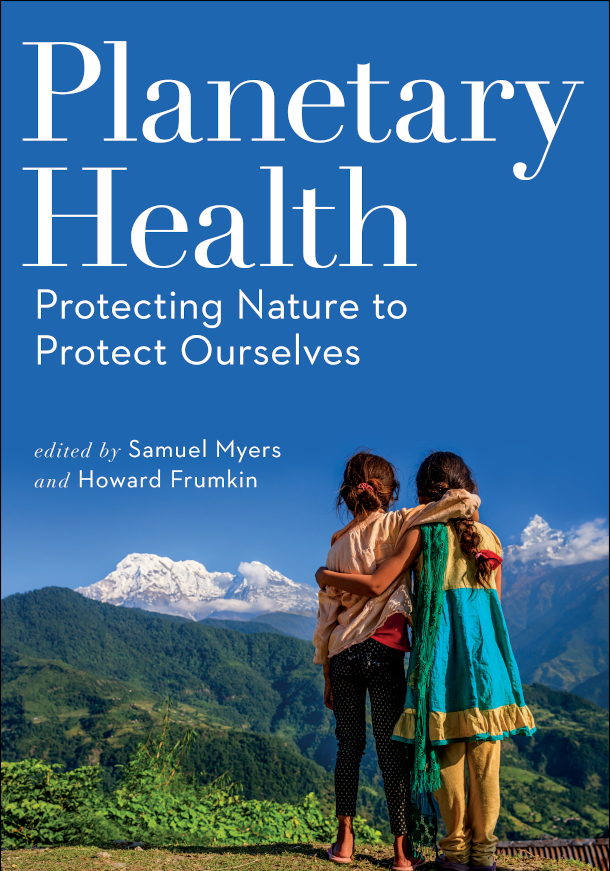
A healthier planet also means a healthier society. That's the basis of a 2020 book drilling down on the intersection of environmental change and human health. Physician Sam Myers co-edited Planetary Health: Protecting Nature to Protect Ourselves with Howard Frumkin. He joins Host Steve Curwood to discuss his book and to explain how saving the planet can also save human lives.
Science Note: Can Plants Hear?
2 min read · 3 min listen

Flowers don’t have ears like ours, but research has found that some flowers, like evening primrose, can “hear” the buzzing of bees’ wings. Living on Earth’s Don Lyman reports on how these flowers sometimes quickly respond to nearby pollinators by sweetening their nectar.
Sea Lion Cave
3 min read · 4 min listen

Sea lions can be extremely friendly and inquisitive but as Living on Earth’s Explorer in Residence, Mark Seth Lender, reports it’s still best to keep your distance.
Youth Mental Health Problems from Pollution
7 min read · 9 min listen

Small particulates from fossil fuels are linked to as many as 300,000 excess deaths in the United States each year. Now, there is mounting evidence that these small, PM 2.5 particulates may also be harming the mental health of children and teens by worsening depression, anxiety, suicidality and more. Brian Bienkowski, the editor of Environmental Health News joins Host Steve Curwood to talk about the correlation.