
Living on Earth: October 1st, 2021
Air Date: October 01, 2021
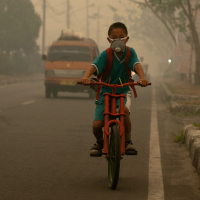
The World Health Organization is urging nations to adopt new air quality guidelines that could save seven million lives a year worldwide. In terms of the numbers of people affected, WHO says fine particulates known as PM2.5 are the deadliest of six types of pollution that need tighter restrictions. Much PM2.5 pollution comes from fossil fuel combustion, so reducing PM2.5 emissions would also benefit the climate. Host Steve Curwood is joined by Dr. Aaron Bernstein, pediatrician and interim director of the Center for Climate, Health and the Global Environment at Harvard University’s T. H. Chan School of Public Health.
Beyond the Headlines
4 min read · 6 min listen
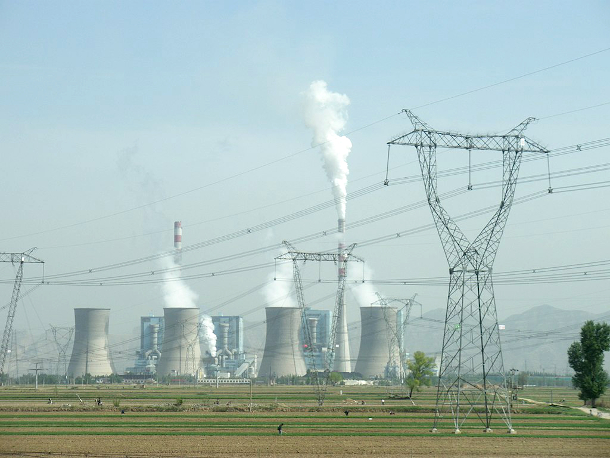
Environmental Health News Editor Peter Dykstra joins Host Steve Curwood to talk about China’s plans to quit financing coal-fired power plants in other countries. Also, along the U.S. East Coast, sea level rise is creating “ghost forests” of trees killed by saltwater. In the history calendar, they look back to the 1957 Mayak nuclear disaster in the Soviet Union.
BirdNote®: Migration – Long, Short, And In-Between
3 min read · 3 min listen
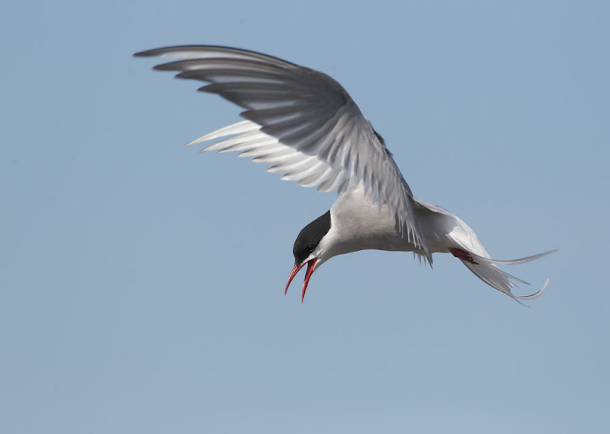
The fall harvest season is upon us and for birds that means it’s time to migrate. BirdNote®’s Mary McCann has more.
Fall Gardening Tips
10 min read · 13 min listen
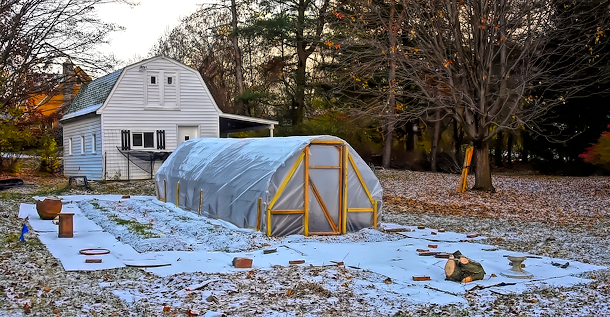
When the COVID-19 pandemic began, many people found themselves stuck at home, looking for something to do just as spring was getting going. Many turned to gardening as a way to pass the time, and are looking for how to continue this new hobby into the winter. Living on Earth’s Bobby Bascomb chats with landscape designer Michael Weishan, the former host of the PBS series The Victory Garden, about how to keep up with one’s garden and tend to plants inside and out during the colder months of the year.
Fall Gardening Tips
13 min read · 17 min listen
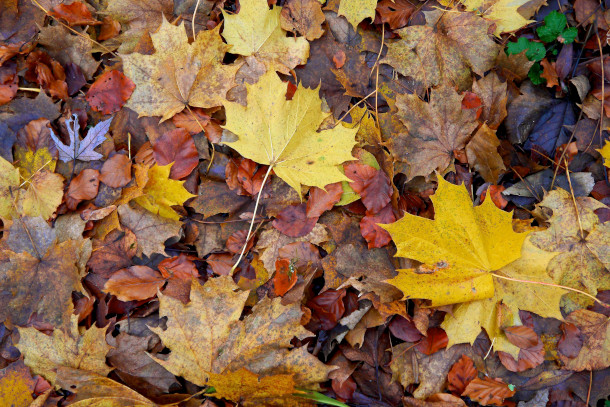
For gardeners in the cooler parts of the Northern hemisphere, now is the time to take stock of this year’s successes and failures. Michael Weishan, a master gardener and Living on Earth regular, joins Host Bobby Bascomb to talk about what worked and what didn’t in his garden this year and what gardeners can do to build fertile soil for next spring.
Putting Food By for a Sustainable Harvest
17 min read · 23 min listen
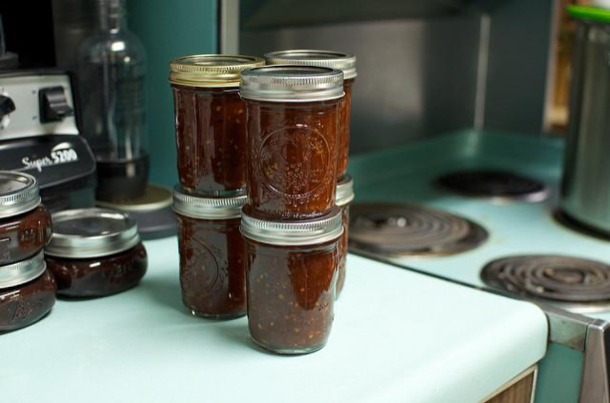
About 30-40% of the food produced in the United States is wasted, even as tens of millions of Americans are food insecure. As the harvest season picks up, Marisa McClellan, a food writer and author of the book Food in Jars, joins Host Bobby Bascomb to discuss preservation tips and tricks for keeping the bounty and preventing fresh produce from ending up in landfills.
Saving Millions From Deadly Air
10 min read · 13 min listen
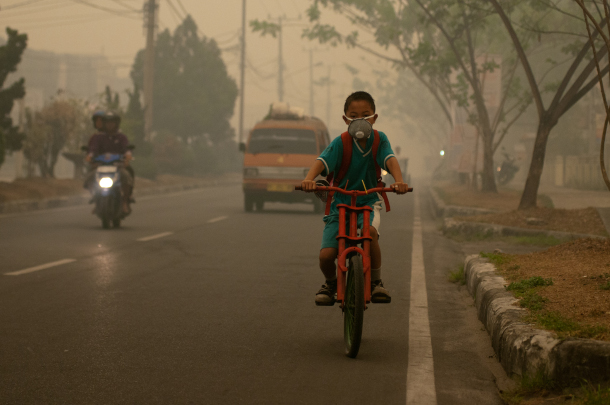
The World Health Organization is urging nations to adopt new air quality guidelines that could save seven million lives a year worldwide. In terms of the numbers of people affected, WHO says fine particulates known as PM2.5 are the deadliest of six types of pollution that need tighter restrictions. Much PM2.5 pollution comes from fossil fuel combustion, so reducing PM2.5 emissions would also benefit the climate. Host Steve Curwood is joined by Dr. Aaron Bernstein, pediatrician and interim director of the Center for Climate, Health and the Global Environment at Harvard University’s T. H. Chan School of Public Health.
The Agreement: Maasai Giraffe in the Highlands of Kenya
3 min read · 4 min listen
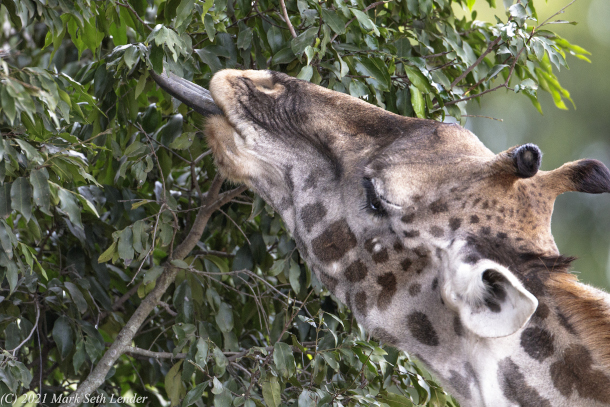
Healthy ecosystems tend to seek balance and in the highlands of Kenya, this dynamic plays out in a tacit agreement between giraffe and their leafy diet. Living on Earth’s Explorer in Residence Mark Seth Lender brings us this commentary.
