Living on Earth: March 24th, 2023
Air Date: March 24, 2023
The EPA recently proposed new regulations that will dramatically lower the amount of PFAS chemicals that can be present in drinking water. PFAS are associated with health concerns including cancers and reproductive issues. Melanie Benesh from the Environmental Working Group tells Host Bobby Bascomb that the move is a huge win for public health.

- 1Beyond the Headlines
- 2EPA and Strict PFAS Water Regulations
- 3Greenwashing Energy from Plastic
- 4Insects Need More Protection
- 5Mapping the Seafloor to Predict Coastal Flooding
Beyond the Headlines
5 min read · 6 min listen
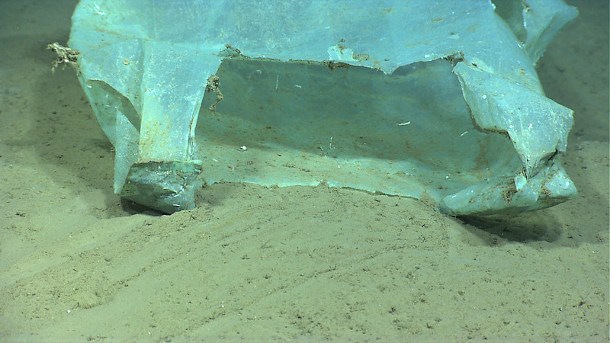
LOE contributor Peter Dykstra shares with host Jenni Doering new research that found plastic bags scouring the deepest parts of the ocean floor. Also, a huge Sargassum seaweed mass is making its way toward the Florida coast just in time for Spring Break. And in the history books, the 52nd anniversary of Tokyo Electric Power Company opening the ill-fated Fukushima nuclear reactors which later were the source of one of the world’s worst nuclear disasters.
DuPont in Sticky Situation Over Teflon Chemical
11 min read · 14 min listen
Legal problems and health questions are piling up for DuPont thanks to a chemical used to make Teflon and dozens of other consumer products. Living on Earth's Jeff Young tells us how this chemical's problematic nature came to light.
EPA and Strict PFAS Water Regulations
11 min read · 15 min listen
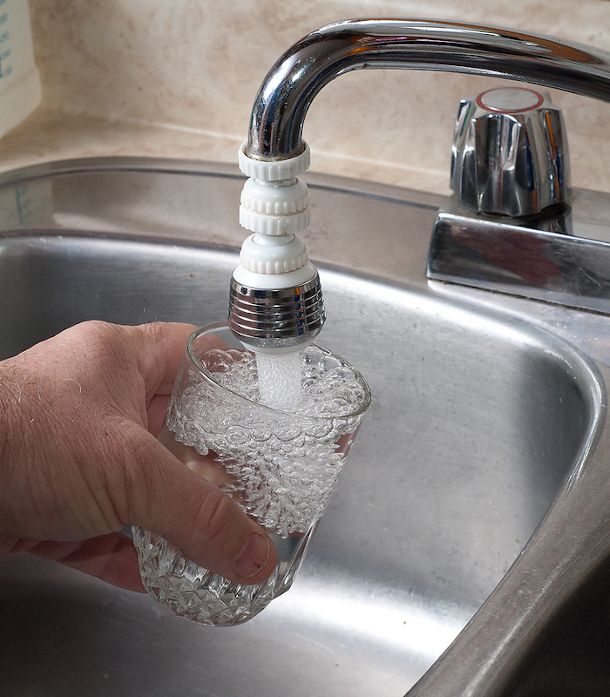
The EPA recently proposed new regulations that will dramatically lower the amount of PFAS chemicals that can be present in drinking water. PFAS are associated with health concerns including cancers and reproductive issues. Melanie Benesh from the Environmental Working Group tells Host Bobby Bascomb that the move is a huge win for public health.
Greenwashing Energy from Plastic
8 min read · 11 min listen
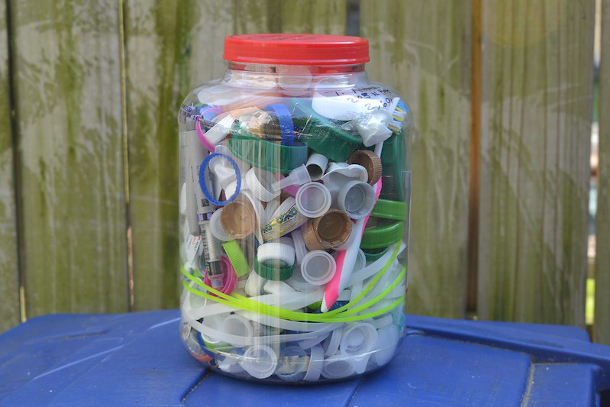
So-called “chemical recycling” is a greenwashing term used for incinerating plastic, according to critics including Veena Singla with the Natural Resources Defense Council. She tells Host Jenni Doering that “chemical recycling” is contributing to climate change and poor air quality for many marginalized communities.
Insects Need More Protection
6 min read · 8 min listen
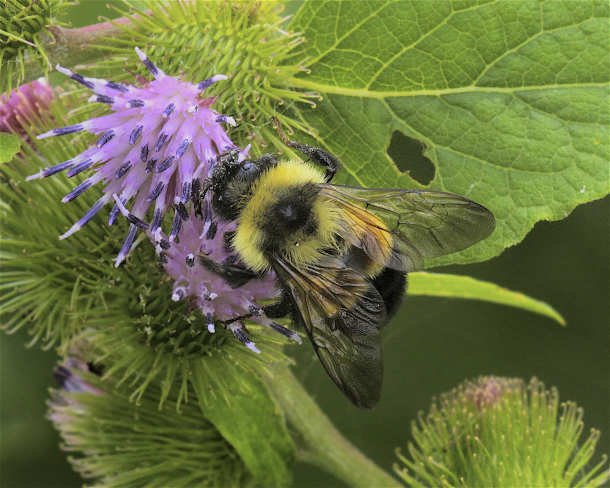
Roughly three quarters of the world’s insect species are inadequately protected, even in conservation areas. To help insects, which are important pollinators and the base of many food chains, Scott Black of the Xerces Society tells Host Bobby Bascomb that even small areas of protected habitat can make a big difference.
Mapping the Seafloor to Predict Coastal Flooding
10 min read · 13 min listen
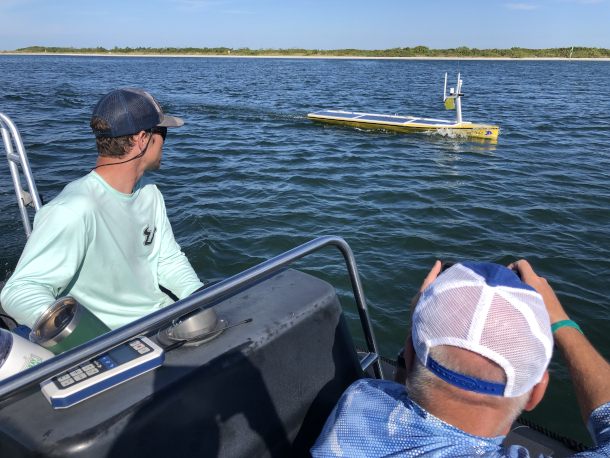
The topography of the coastal seafloor has a lot to do with how much flooding coastal areas will experience during hurricanes. As reporter David Levin reports, a team of scientists is working on a new technology to create more accurate seafloor maps in the Gulf of Mexico.