Beyond the Headlines
Air Date: December 08, 2023
This week, Living on Earth Contributor Peter Dykstra joins Host Jenni Doering with an “underground” success story about the rediscovery of a rare species of golden mole with some help from a border collie. Also, a jetliner recently flew across the Atlantic powered by waste fats and sugars. And in history, they look back to the creation of Superfund in 1980 to clean up toxic waste.
- 1Beyond the Headlines
Transcript
CURWOOD: It’s Living on Earth, I’m Steve Curwood.
DOERING: And I'm Jenni Doering. And it's time now for a look beyond the headlines with Peter Dykstra, Living on Earth's contributor who joins us from Atlanta, Georgia. Hey there, Peter, what do you got for us this week?
DYKSTRA: Hi, Jenni. We're going to start out with an underground success story. The De Winton's golden mole, an animal that hasn't been spotted in South Africa habitat since 1936. It's been literally sniffed out by a dog. And then researchers using DNA techniques have rediscovered this tiny, shy, hard-to-find creature after almost a century's absence.
DOERING: That is quite a reappearance, Peter, and I took a look at the pictures associated with this reporting. And oh my goodness, this mole is so cute. It's basically just a snout and a big ball of fur. But I don't want to bury the lead, Peter. So let's focus on the hero here.
DYKSTRA: And that would be the dog. It's a border collie named Jessie. This dog has also found more common moles, like the Cape golden mole. And of course, everyone's heard of Grant's golden mole as well, there on the list, but the De Winton's golden mole is back in business after an absence of 90 years.
DOERING: Well, I think Jessie deserves extra treats for sniffing out this golden mole that was lost for almost a century.
DYKSTRA: And that would be 700 in dog years.
DOERING: That's right. Well, what else you got for us this week, Peter?
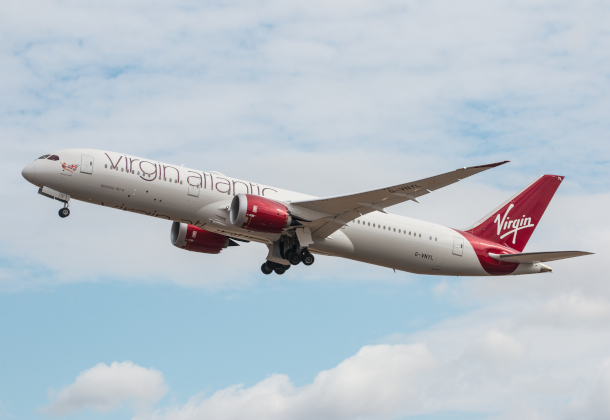
DYKSTRA: There's a plane that made a successful and safe transatlantic trip fueled only by fat and sugar, instead of standard high carbon aviation fuel.
DOERING: Wow, how does this work, Peter?
DYKSTRA: Well, Virgin Atlantic had commissioned this flight. It's called Sustainable Aviation Fuel, or SAF. It could contain a lot of burnable things. In this case, plant sugars and waste fats from restaurants and other cooking entities. After taking off in Europe, it landed at JFK International in New York City. And it's about 70% less carbon emissions than any petroleum- or kerosene-based jet fuel.
DOERING: And I imagine if it's made from fat and plant sugars, does it smell like doughnuts, Peter?
DYKSTRA: It could! I hadn't thought of it quite that way. Or maybe, get a little classier than that, maybe it's a beignet.
DOERING: Well, now that I'm hungry, Peter, what have you got for us in history?
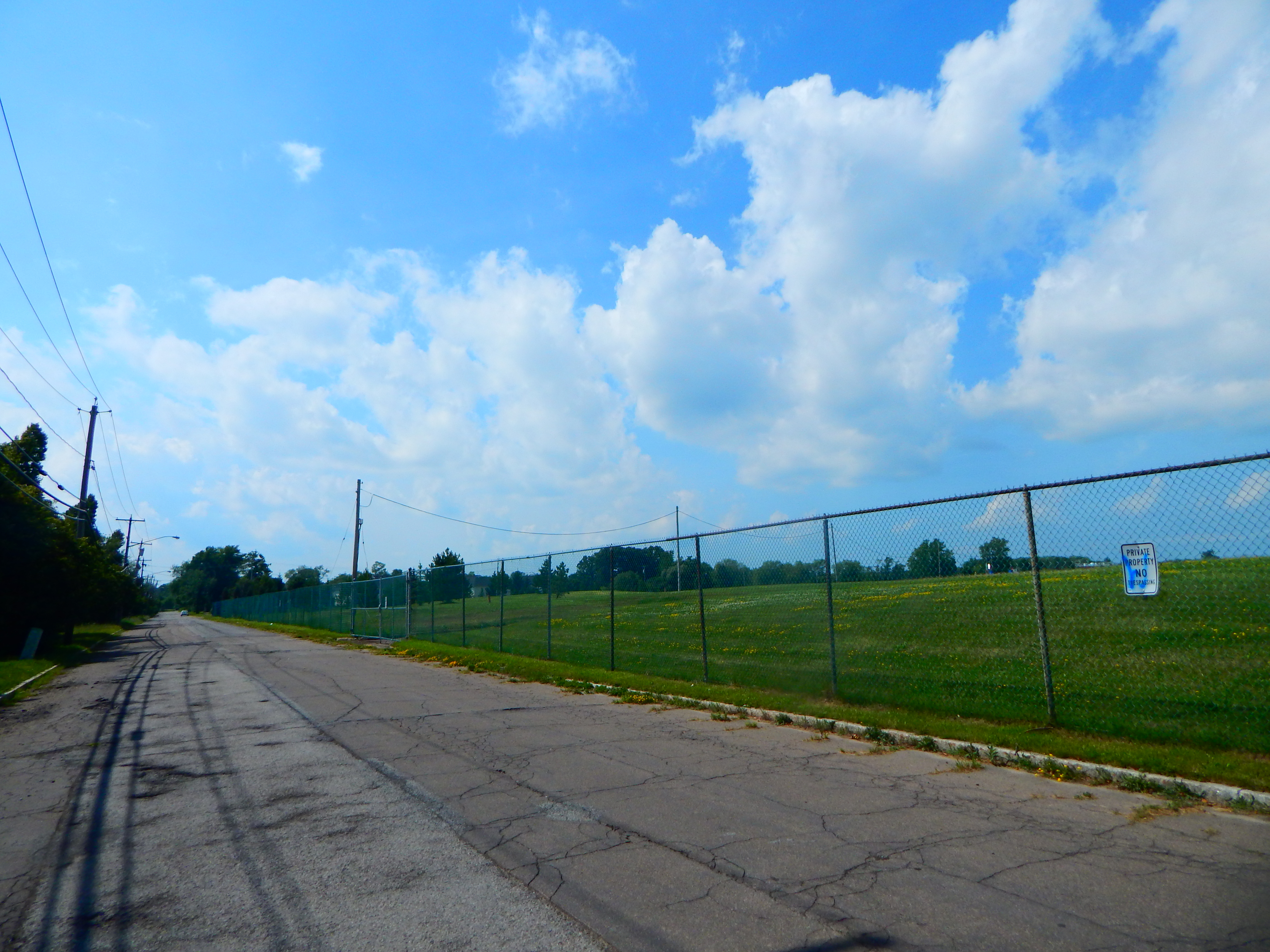
DYKSTRA: December 11, 1980. In response to the Love Canal toxic tragedy, and other huge waste sites discovered in the 70s, Congress passed and President Carter signed the Comprehensive Environmental Response Compensation and Liability Act. When you have an unwieldy title for a law like that, you give them an acronym, and the acronym is CERCLA. And when you have an unwieldy acronym, you give it an adorable nickname. And that's how we got Superfund, the overarching, multi- multi-billion dollar law that mandates cleanups for the most dangerous and toxic sites across the United States.
DOERING: Well, I know that Superfund hasn't been perfect, Peter, but it has cleaned up some pretty significant messes.
DYKSTRA: Successes. Yes, it's had a few. But then again, too few to mention. So many Superfund sites still on the list over a thousand, where cleanup is being litigated. But then again, these sites in some cases were cleaned up where there was little hope previously that they would ever be clean.
DOERING: And now with the Biden administration's focus on environmental justice, maybe some of these cleanups can be helping those who need it most. Well, thank you so much, Peter. Peter Dykstra is our Living on Earth contributor and we'll talk to you again next week.
DYKSTRA: Okay, Jenni, we'll talk to you soon.
DOERING: And there's more on these stories on the Living on Earth website. That's LoE.org.