From the History Books
Air Date: May 24, 2024
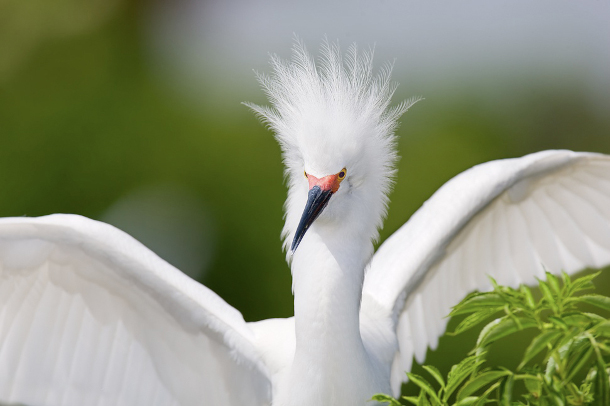
This week, Living on Earth Contributor Peter Dykstra and Host Aynsley O’Neill look back to the Lacey Act of 1900, one of the first wildlife protection laws. They also note the founding of the Sierra Club and discuss how the conservation legacy of its first president John Muir has been complicated by his racist views on Native and African Americans.

- 1From the History Books
Transcript
O'NEILL: Joining me now on the line is Peter Dykstra, the Living on Earth contributor who is here to bring us a couple of stories from the history books. Hiya, Peter, what do you have for me this week?
DYKSTRA: Hi Aynsley, a couple of things that go back over a century. The first one, May 25, 1900. That's the day that the U.S. President William McKinley signed the Lacey Act. Lacey was one of the first sweeping wildlife protection laws. It limited the interstate and international trafficking in fish, birds, mammals and plants. Of particular interest is that birds with colorful plumage were being wiped out to help suit the fashion industry of the day, particularly ladies' hats that tended to have a lot of elaborate feathers. And the Lacey Act, along with the establishment of National Wildlife Refuge in places like Louisiana and Florida, helped curb the impact of the wild fashion rage that had gripped the country around the turn of the 19th century to the 20th.
O'NEILL: Yeah, the Act was designed to protect species like the Snowy Egret, which had this beautiful plumage, and I believe now in the 21st century, it's marked "least concern." So it looks like for the Snowy Egret, it did its job of protection.
DYKSTRA: And unfortunately, it didn't protect presidents from being shot. And little more than a year later, President McKinley was assassinated. His vice president, one of the great conservationists of the day, Teddy Roosevelt, took office in October of 1901.
O'NEILL: Okay, and Peter, what else do you have for me this week?
DYKSTRA: A few years before that, on May 28, 1892, the Sierra Club was founded in San Francisco with 182 charter members. The president elected in that founding meeting was John Muir. He led the effort to preserve the Hetch Hetchy Valley, and the Yosemite area in central California, which has gone on today to be one of our most popular, most visited national parks. Muir was a consummate conservationist for his day. But like many leaders back then, he very freely dissed African Americans and Native Americans, and that puts things in a little different light for what a 19th-century conservationist was and what a 21st-century conservationist ought to be.
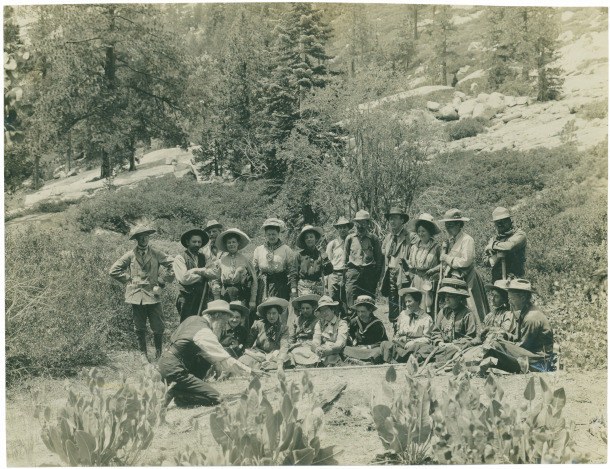
O'NEILL: Yeah, John Muir's legacy is—it’s definitely complicated by all that racism. Alright, Peter. Well, thank you for that trip back in time. Peter Dykstra is a regular contributor to Living on Earth, and we will talk to you again soon.
DYKSTRA: All right, Aynsley, thanks a lot. Talk to you soon.
O'NEILL: And there's more on these stories on the Living on Earth website. That's L-O-E dot O-R-G.