Living on Earth: November 23rd, 2018
Air Date: November 23, 2018
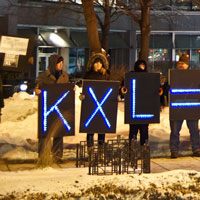
A year and a half after President Trump reversed an Obama Administration decision to block TransCanada’s Keystone XL pipeline, a federal judge has halted the project again, saying the environmental review of the project is insufficient. Vermont Law School Professor Pat Parenteau tells Host Steve Curwood about the decision and what this means for the controversial pipeline’s future. They also discuss recent pre-trial developments in the Juliana v. U.S. case, brought by young plaintiffs who seek to compel the government to protect the climate of this planet they will inherit.
Beyond The Headlines
4 min read · 5 min listen

In this week’s trip beyond the headlines, Peter Dykstra and Host Steve Curwood take stock of the climate preparedness of US naval bases before turning to a study about bees swarming an experimental hemp field. Then, the pair looks back to the 1970s, when the Environmental Protection Agency ordered lead out of gasoline.
BirdNote®: How Much Do Birds Eat?
2 min read · 3 min listen
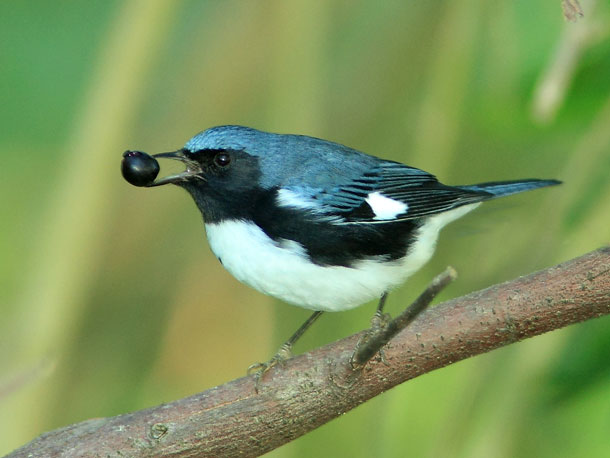
Flying burns a lot of energy and in general, the smaller the bird, the more food it needs relative to its weight. Hummingbirds ingest about 100% of their body weight every day, while the food we humans eat each day adds up to just about 3% of ours. BirdNote®’s Mary McCann puts how much birds eat in the context of human fare.
Emerging Science Note: Coral Reefs Wrecked By Rising Seas
2 min read · 3 min listen
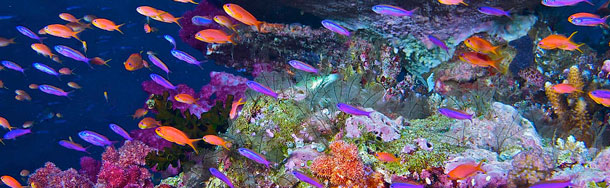
Research from the University of Exeter indicates warming waters and ocean acidification aren’t the only climate impacts coral reefs are facing: rising sea levels mean cloudier water that hinders coral reef growth. And as Sarah Rappaport reports in this week’s Note on Emerging Science, that’s bad news for fish that depend on coral reefs, and coastlines that benefit from their ability to protect the shore from waves.
Farming While Black: Soul Fire Farm's Practical Guide to Liberation on the Land
16 min read · 22 min listen
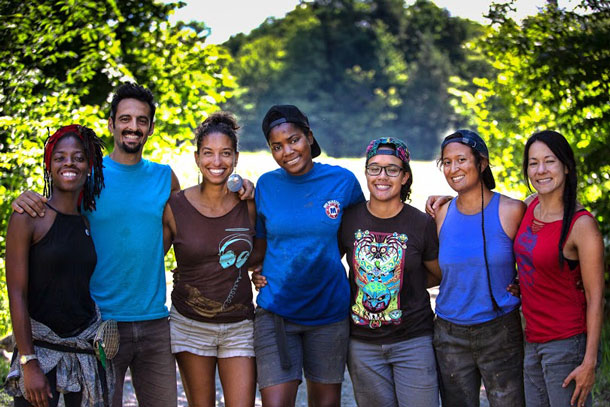
Soul Fire Farm in upstate New York is dedicated to not only growing food, but also cultivating environmental, racial and food justice. Its ten black, brown and Jewish farmers aim to dismantle racism within the food system while reconnecting people of color to the earth. Leah Penniman is the co-founder of Soul Fire Farm and joins Host Steve Curwood to discuss her new book, Farming While Black: Soul Fire Farm's Practical Guide to Liberation on the Land, and her journey as a woman of color reclaiming her space in the agricultural world.
Fighting Climate Change, Naturally
4 min read · 5 min listen
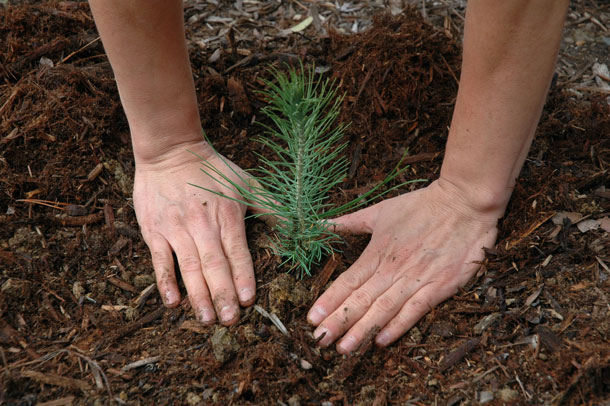
Climate mitigation often focuses on technical solutions. But experts say as much as one-fifth of the United States’ current carbon emissions could be offset through “natural climate solutions,” which manage and restore land. Living on Earth’s Aynsley O’Neill reports.
Keystone XL Blocked Again
10 min read · 13 min listen
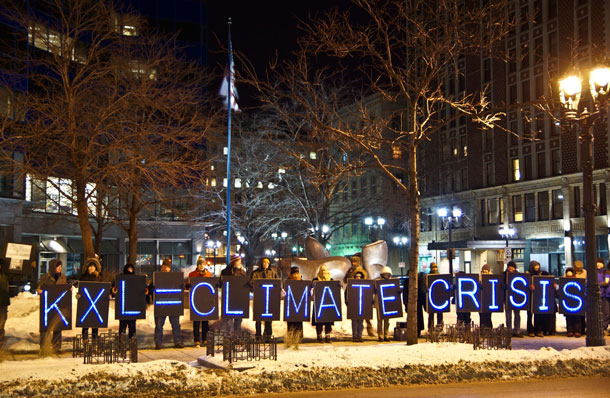
A year and a half after President Trump reversed an Obama Administration decision to block TransCanada’s Keystone XL pipeline, a federal judge has halted the project again, saying the environmental review of the project is insufficient. Vermont Law School Professor Pat Parenteau tells Host Steve Curwood about the decision and what this means for the controversial pipeline’s future. They also discuss recent pre-trial developments in the Juliana v. U.S. case, brought by young plaintiffs who seek to compel the government to protect the climate of this planet they will inherit.
Let The Leaves Be And Feed The Birds
8 min read · 10 min listen
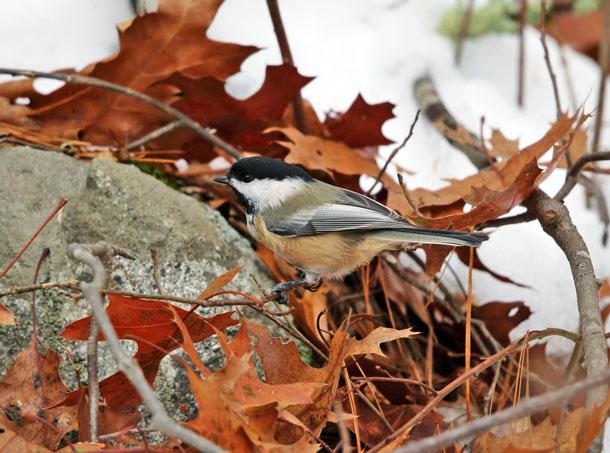
Autumn brings fallen leaves in temperate zones, and the chore of raking all those leaves into piles. But it turns out that a lazy fall yard-work ethic can help native birds. Tod Winston of the Audubon Society explains to Host Steve Curwood why leaving fallen leaves and dead flowers helps insects that are food for birds.