
Living on Earth: May 1st, 2020
Air Date: May 01, 2020
Migrant farmworkers are considered essential workers during the COVID-19 pandemic and if they don't continue to tend and harvest the crops that feed America, there will be food shortages. Many farmworkers face special risks during the pandemic, as they work in crowder's conditions and more than half of them are undocumented, with poor access to healthcare and federal aid. Marc Grossman, a spokesperson for United Farm Workers of America, joins Host Bobby Bascomb to talk about how the COVID-19 pandemic is affecting migrant farmworkers in the United States.
A Migrant Farmworker Shares COVID-19 Fears
4 min read · 6 min listen
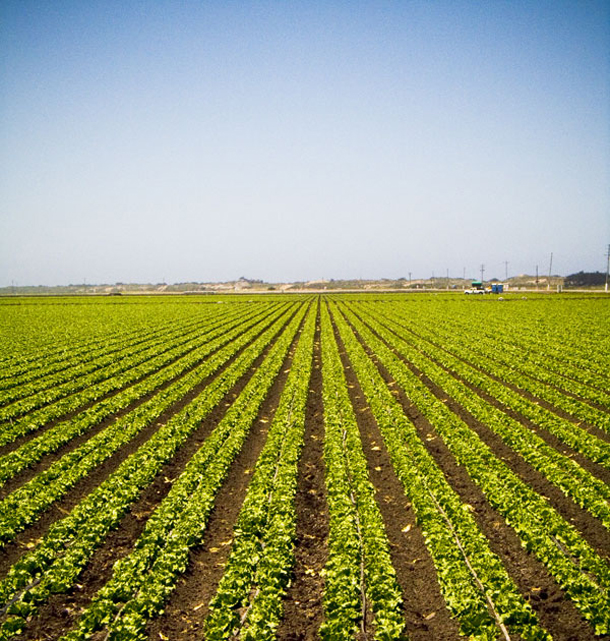
Farmworkers must continue to work in close quarters with others, but some are provided with only soap and water to shield against COVID-19. And if they get sick, many don’t have any health insurance. From Mexico Living on Earth’s Paloma Beltran reports what she learned from speaking with a longtime Mexican farmworker in California about his fears and frustrations about working in the midst of the
Behind the Quarantine at the New England Aquarium
6 min read · 8 min listen

Across the country, animal care facilities are facing the question of how to care for their animals without visitor revenue during the coronavirus shutdown. Vikki Spruill, the President and CEO of the New England Aquarium in Boston, joins Host Steve Curwood to explain how her staff is taking care of more than 20,000 animals during the lockdown.
Beyond the Headlines
4 min read · 6 min listen
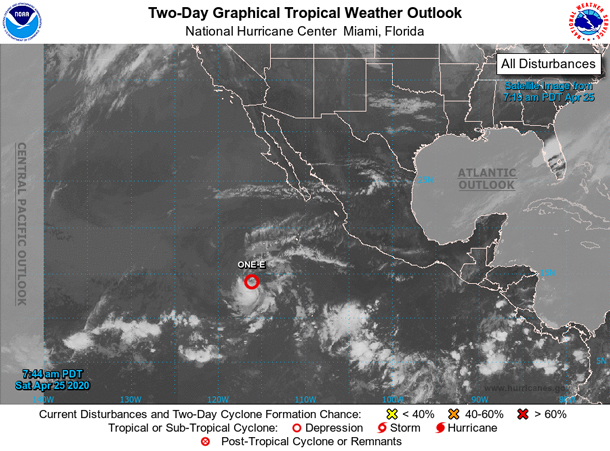
In this week’s installment of Beyond the Headlines, Environmental Health News Editor Peter Dykstra updates Host Steve Curwood on the planet’s ominous climate change signals. Meanwhile, the plastics industry has won a victory with rollbacks of single-use plastic bag bans in California. Finally, the pair takes a look back at this week in 1940, when the German forces during World War II seized a hydroelectric dam and heavy water processing facility in Vemork, Norway, as part of their bid to make an atom bomb.
Farmworkers and the Virus
7 min read · 10 min listen
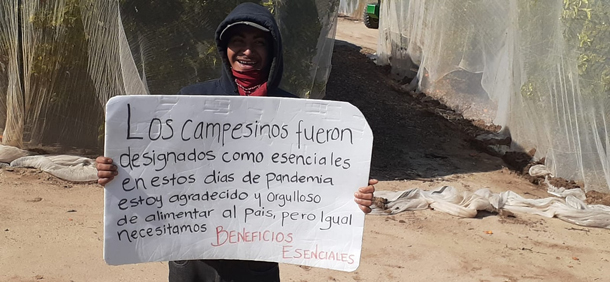
Migrant farmworkers are considered essential workers during the COVID-19 pandemic and if they don't continue to tend and harvest the crops that feed America, there will be food shortages. Many farmworkers face special risks during the pandemic, as they work in crowder's conditions and more than half of them are undocumented, with poor access to healthcare and federal aid. Marc Grossman, a spokesperson for United Farm Workers of America, joins Host Bobby Bascomb to talk about how the COVID-19 pandemic is affecting migrant farmworkers in the United States.
Note on Emerging Science: The Days the Earth Stood Still
2 min read · 3 min listen

As people around the world self-isolate and non-essential work is put on hold, the Earth has grown quieter. Seismographic data show that ambient vibrations caused by human activities, have decreased by 30 to 50% since stay-at-home orders went into effect. Living on Earth’s Isaac Merson reports.
Sap-Iens: Yellow-Bellied Sapsuckers
3 min read · 4 min listen
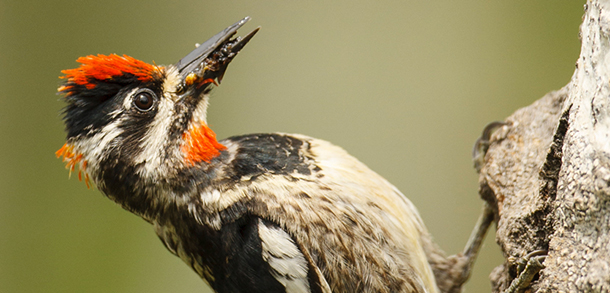
In the far North, the short season for raising young means nesting birds have to work fast. Living on Earth's Explorer in Residence, Mark Seth Lender, marvels at the speed and diligence with which a pair of yellow-bellied sapsuckers build and maintain a nest.
Supreme Court Clean Water Win
8 min read · 11 min listen
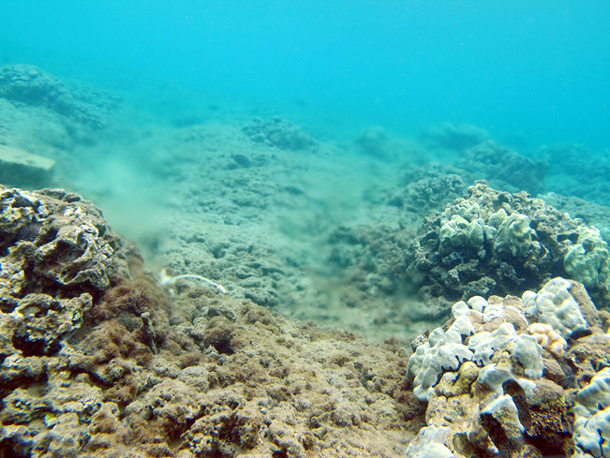
In a key decision for environmental law, the US Supreme Court has handed down new guidance on when indirect sources of water pollution require a Clean Water Act permit. Vermont Law School Professor Pat Parenteau joins Host Bobby Bascomb to discuss how the 6 to 3 decision came about, and precedent for environmental law.
Zoos and Aquariums Online
4 min read · 6 min listen
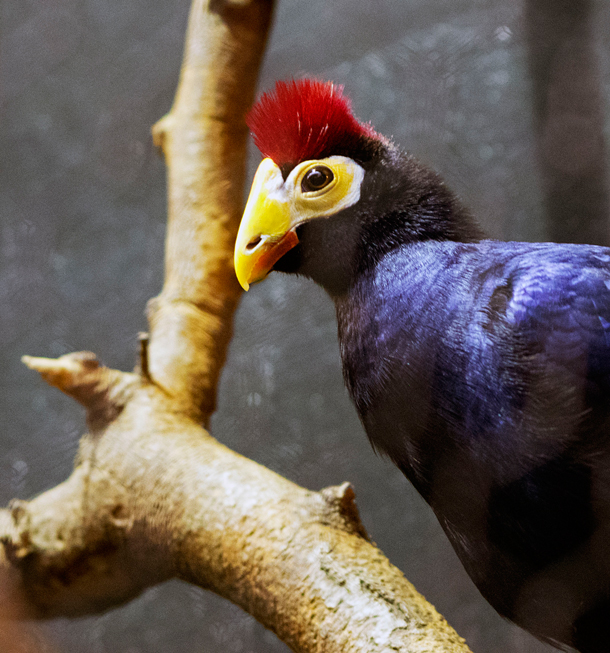
With shelter-in-place orders affecting much of the country, zoos, aquariums, and wildlife centers have had to close their doors. Many of these facilities have gone online to continue their mission with virtual visits, exhibit livestreams, and enrichment programs. Living on Earth's Aynsley O'Neill reports.