Note on Emerging Science: Whales Mistake Plastic for Food
Air Date: September 26, 2025
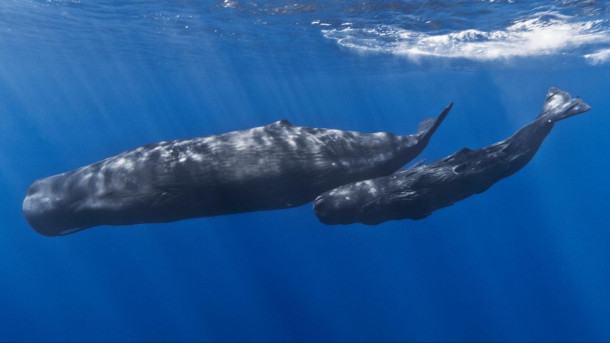
Deep-diving whales use echolocation to hunt in the pitch black of the deep ocean. Research shows that plastic debris in the ocean “looks” very similar to common whale prey, like squid, when hit with these sound waves. Living on Earth’s Don Lyman reports that whales may be mistaking this plastic debris for their food.

- 1Note on Emerging Science: Whales Mistake Plastic for Food
Transcript
DOERING: It’s Living on Earth, I’m Jenni Doering
O’NEILL: And I’m Aynsley O’Neill.
In a moment, an old road gets a new life as a park. But first this note on emerging science from Don Lyman.
SCIENCE NOTE THEME
LYMAN: Deep diving whales, such as sperm whales and beaked whales, use echolocation to hunt prey like squid in the darkness of the deep ocean, sometimes diving as deep as 3,000 meters, which is almost 10,000 feet. Unable to see at such depths, the whales emit sounds that bounce off objects and give the whales a picture of what’s around them.
But a new study from the Duke University Marine Lab in Beaufort, North Carolina, has found that when plastic debris in the ocean is hit by sound frequencies like the sounds whales emit, the echo is similar to common whale prey, like squid. And that may trick whales into eating the plastic.
Lead study author, Greg Merrill, and his colleagues, tested echoes from an assortment of plastic collected from the ocean — including plastic bags and bottles, rope, and other items that are often found in the stomachs of stranded whales.
The researchers also conducted acoustic tests on Atlantic brief squids, which are similar to the squid species deep-diving whales eat, as well as on squid beaks from a stranded sperm whale’s stomach.
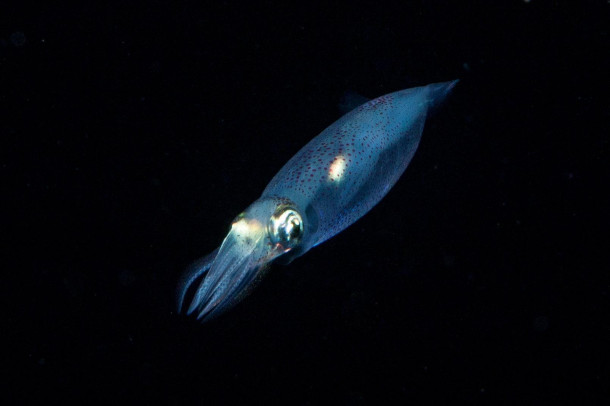
The team found that all the plastic items produced echoes as strong or even stronger than those of the whales’ prey items. “That was pretty striking,” Merrill says. This seems to suggest that “these animals have a hard time perceiving the difference between plastic and prey.”
This hypothesis is supported by deep-diving whales being found with a lot of plastic in them, more often than other species of whales, said Matthew Savoca, a Stanford University marine biologist who was not a part of the study. Savoca added that whales eating plastic can have deadly consequences for the marine mammals, because the plastic debris can fill the whales’ stomachs and intestines and prevent food from passing through their digestive tract.
That’s this week’s note on emerging science. I’m Don Lyman.